

















PCB-produktion bruger mange dele. Dele kan være svære at få fat i. Denne guide forklarer indkøb af dele til PCB-samling. Den bruger enkle ord. Den bruger klare trin. Logikken er let at følge. Den viser almindelige dele, hvorfor sourcing er vigtigt, hvad der kan gå galt, og hvordan man vælger den bedste distributør. Den viser også, hvordan Philifast hjælper dig med at indkøbe dele og færdiggøre print til tiden.
Introduktion
Printkort har brug for mange dele. Efterspørgslen efter printkort bliver ved med at vokse. Der kan blive mangel på dele. Det gør indkøb af dele til en vigtig opgave for printkortproducenter og OEM'er. God sourcing af dele gør produktionen smidig. Det sparer penge. Det sparer tid. Det sænker risikoen. Denne guide hjælper dig med at forstå indkøb af dele til printkortmontage.
Hvad er parts sourcing?
Parts sourcing er processen med at købe elektroniske dele til PCB-samling. Det dækker over at finde dele, bestille dem, spore levering og holde kvaliteten. Delene kan være passive dele, aktive dele og materialer. Passive dele er modstande og kondensatorer. Aktive dele er integrerede kredsløb og transistorer. Materialer omfatter board-substrat, kobber og loddemaske. Indkøb af dele kan foretages af OEM'en, printkortproducenten eller en tredjepart. Når printkortproducenten køber og leverer dele til kunden, kaldes det turnkey eller komponentindkøb. Dette trin er nøglen til en vellykket montering.
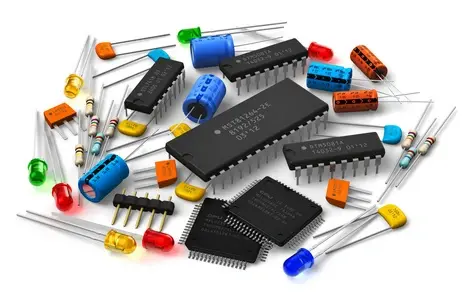
Almindelige PCB-komponenter
Her er de vigtigste dele, der bruges på et printkort. Hver del har en enkel rolle.
Integrerede kredsløb (IC'er)
En IC er en lille chip. Den har mange små transistorer og andre elementer indeni. IC'er laver logik, hukommelse, strømstyring og meget mere. IC'er er ofte overflademonterede enheder (SMD). IC'er kan komme i pakker som QFP, BGA, QFN eller SOIC. IC'er loddes normalt fast på printet.
Modstande
Modstande begrænser eller former strømmen. De er simple dele. De omdanner noget elektrisk energi til varme. Modstande findes i faste eller variable typer. De har farvekoder eller trykte mærker, der viser deres værdi. De findes i SMD-størrelser som 0402, 0603, 0805 og i typer med gennemgående huller.
Kondensatorer
Kondensatorer lagrer elektrisk ladning. De frigiver ladning, når kredsløbet har brug for strøm. De hjælper med at filtrere signaler og stabilisere spændingen. Kondensatorer findes som keramiske, elektrolytiske, tantal- og filmtyper. Mange er SMD og har standardstørrelser.
Dioder og lysdioder
Dioder lader strømmen flyde i én retning. De beskytter kredsløb mod forkert polaritet. Lysemitterende dioder (LED) udsender lys. LED'er er en almindelig type diode, der bruges som indikatorer og lyskilder.
Sensorer
Sensorer registrerer ændringer i omgivelserne. De udsender et signal, som andre dele aflæser. Sensorer kan måle temperatur, lys, bevægelse, tryk og meget mere. Sensorer er nøglen til mange smarte enheder.
Induktorer
Induktorer lagrer energi i et magnetfelt. De ligner spoler eller drosselspoler. Induktorer bruges i strømkredse og filtre. De arbejder sammen med kondensatorer i effektmoduler og filtre.
Andre dele og materialer
Et printkort har også brug for ikke-elektriske dele. Disse omfatter:
-
- Substrat eller plademateriale (f.eks. FR4 eller keramik).
-
- Laminatplader.
-
- Kobberfolie til det ledende lag.
-
- Loddemaske (det farvede lag, der dækker kobber).
-
- Silketryk til tekst og etiketter.
-
- Stik, hoveder, skruer og afstandsstykker.
Disse ting er en del af tavlens opbygning og skal også indkøbes.
Hvorfor indkøb af dele er vigtigt
God sourcing giver klare fordele.
Spar på omkostningerne
At købe dele til den rigtige pris sænker produktionsomkostningerne. Når delene er billigere, falder omkostningerne ved at lave et printkort. Det hjælper på marginerne og gør prissætningen mere fleksibel.
Spar tid
Hvis delene ankommer til tiden, kører monteringen efter planen. Forsinkede dele giver forsinkelser. Forsinkelser kan skade leveringsdatoer og kundernes tillid.
Sørg for kvalitet
Ved at købe fra gode kilder mindskes risikoen for dårlige dele eller forfalskninger. Dårlige dele kan fejle i test eller i marken. God sourcing holder produktkvaliteten høj.
Håndter risiko
Dele kan være næsten udtjente eller have lange leveringstider. God sourcing finder backups og undgår single points of failure. Det mindsker risikoen for, at produktionen går i stå.
Faktorer, der påvirker indkøb af dele
Det er ikke nemt at finde reservedele. Mange faktorer påvirker det.
Komponenternes tilgængelighed
Nogle dele kan være svære at finde. Mangel på dele kan skyldes større efterspørgsel eller problemer på fabrikken. Hvis en del er knap, kan du opleve lange leveringstider eller prisstigninger. Designteams skal tjekke, om delene er på lager, når de vælger dem.
Forældelse
Dele bliver forældede. En del holder måske op med at blive lavet. Designere skal holde øje med dele, der er tæt på at være udtjente. Hvis en del bliver forældet, har du brug for en erstatning eller et redesign.
Relationer til distributører
Et godt samarbejde med distributører hjælper. Autoriserede distributører kan levere originale dele og sporbarhed. De kan hjælpe med dele, der er svære at finde. Gode distributører hjælper også med priser og levering.
Leveringstid og MOQ
Nogle dele kræver minimumsordreantal (MOQ). Nogle dele har brug for lange leveringstider. Disse ting styrer tidsplanen og lagerplanen.
Risiko for forfalskning
Der er risiko for falske dele på åbne markeder. At købe fra autoriserede eller pålidelige kilder mindsker risikoen. Test og inspicér indgående dele, når det er muligt.
Pris og samlede omkostninger
Prisen er vigtig. Overvej også de samlede omkostninger, ikke kun enhedsprisen. Forsendelse, test, opbevaring og omarbejde koster ekstra.
Metoder til at skaffe dele
Du kan købe dele på flere måder. Hver måde passer til et forskelligt behov.
Nøglefærdigt indkøb
PCB-producenten køber og leverer alle dele. Kunden giver BOM og designfiler. Producenten tilbyder en enkelt pris for de samlede printplader. Nøglefærdigt er enkelt for kunden. Producenten kontrollerer forsyningskæden.
Sendte dele
Kunden køber og sender dele til printkortproducenten. Producenten samler med disse dele. På den måde beholder kunden kontrollen over indkøbene. Det kan reducere risikoen for forfalskede dele.
Udstyr
Dele grupperes i sæt før samling. Et kit har ét sæt komponenter til ét board eller én serie. Kitting gør linefeeding let og reducerer antallet af fejl.
Hybride modeller
Noget af arbejdet er delt. Kunden leverer kritiske dele. Producenten leverer standarddele. Dette blander risiko og omkostninger.
Sådan vælger du den bedste komponentdistributør
Der findes mange distributører. Kun nogle er pålidelige. Brug disse enkle tjek til at vælge de bedste.
Autoriseret og franchiseret status
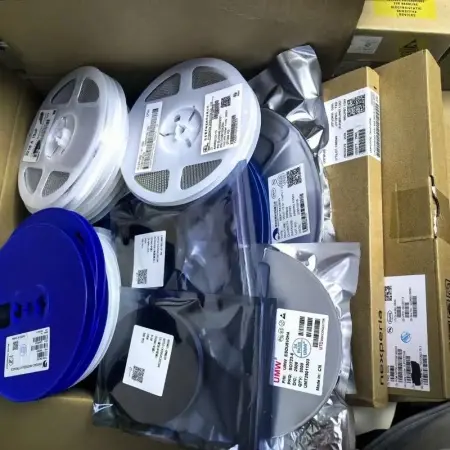
Vælg distributører, der er autoriseret af reservedelsproducenten. Autoriserede distributører leverer originale dele. De tilbyder sporbarhed og garanti.
Sporbarhed og papirarbejde
Bed om oprindelsescertifikater, pakkelister og sporingsdata. Gode distributører kan give partinumre og datokoder. Det hjælper med kvalitetstjek og tilbagekaldelser.
Lager og leveringstid
Tjek lagerbeholdningen og den reelle leveringstid. En ægte partner vil opdatere leveringstider og hjælpe med at planlægge indkøb.
Priser og betalingsbetingelser
Sammenlign pris, forsendelsesomkostninger og betalingsbetingelser. Gode partnere tilbyder fair priser og fleksible vilkår for store oplag.
Kvalitet og testning
Spørg, om distributøren tester dele eller tilbyder prøvetestning. Mange topdistributører har testmuligheder for højrisikodele.
Foranstaltninger mod forfalskning
Spørg om kontrol af forfalskninger, og hvordan returvarer håndteres. Det er vigtigt for dele af høj værdi og kritiske dele.
Support og teknisk hjælp
Gode distributører hjælper med valg af dele og krydsreferencer. De kan finde alternativer og har datablade.
EOL og livscyklusstøtte
Vælg distributører, der advarer dig om udtjente dele. De kan hjælpe med at finde de sidste køb eller foreslå erstatninger.
Referencer og anmeldelser
Spørg efter referencer, og tjek anmeldelser. En god track record er et godt tegn.
Trin til at evaluere og vælge en distributør
Her er nogle enkle trin, du kan følge.
-
- Lav en kort liste over mulige distributører.
-
- Tjek, om de er autoriseret af reservedelsproducenten.
-
- Spørg efter lagerbevis og leveringstid.
-
- Anmod om prøver eller små testordrer.
-
- Bed om sporingsdata og papirarbejde.
-
- Sammenlign pris plus fragt og afgifter.
-
- Tjek deres returpolitik og garanti.
-
- Bed om referencer fra lignende kunder.
-
- Lav en prøveordre og bedøm servicen.
Tips til at styre indkøb af reservedele godt
Brug disse tips i det daglige arbejde.
-
- Hav en liste over godkendte leverandører (AVL). Brug kun godkendte leverandører.
-
- Hav et sikkerhedslager til dele med lang leveringstid.
-
- Hav alternative dele klar i designet (alternative reservedelsnumre).
-
- Forudsig efterspørgslen, og bestil tidligt.
-
- Brug små indkøb til prototyper og større indkøb til masseproduktion.
-
- Brug kitting til at reducere linjefejl.
-
- Test indgående dele for kritiske emner.
-
- Opbevar klare BOM-data: delnummer, producent, pakke, værdi, tolerance, producentens delnummer (MPN) og godkendte alternative MPN'er.
-
- Opbevar dokumentation for køb, partioplysninger og testresultater.
-
- Brug grundlæggende lagersoftware eller et ERP-system til at spore dele.
-
- Samarbejd med en partner, der kan håndtere told og global forsendelse.

