

















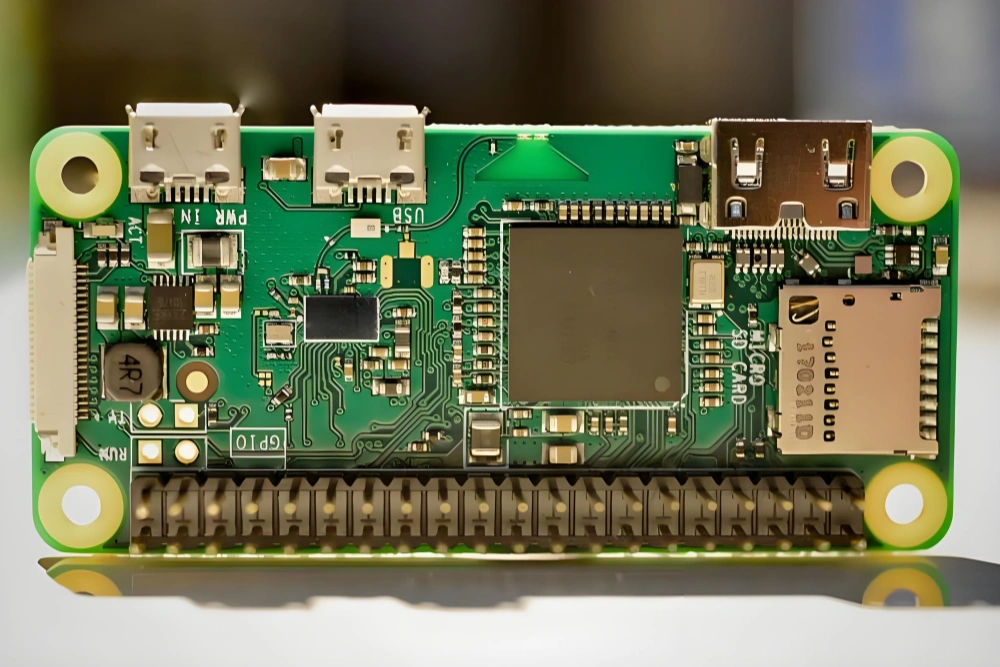
Obwohl es klare Schritte gibt, die bei jeder Entwicklung und Fertigung von Leiterplatten gleich sind, folgt jedes Leiterplattendesign dennoch seinem eigenen, individuellen Weg. Das Ziel des Produkts, der Leiterplattentyp, die Anzahl der Bauteile, das Leiterplattenmaterial und der Schichtaufbau, die Anzahl der Prototypeniterationen, die Testanforderungen und das Produktionsvolumen können sich von einem Design zum anderen unterscheiden. In einigen Branchen sind die Unterschiede sogar noch größer. Dies gilt für Designs für medizinische Geräte, Luft- und Raumfahrtsysteme oder hochentwickelte Industrieanlagen, bei denen die Produktion oft hochspezialisiert und mengenmäßig gering ist.
Betrachten wir also zunächst die Kleinserienfertigung, sehen wir uns dann einige Produkttypen an, für die kundenspezifische Leiterplatten benötigt werden, und schauen wir schließlich, wie sich die Effizienz der Kleinserienfertigung kundenspezifischer Leiterplatten maximieren lässt.
Leiterplattenbestückung in Kleinserien: Ein Testfeld für das Design
Die Leiterplattenentwicklung ist ein gutes Beispiel für einen Prozess, bei dem ein Team häufig nachweisen muss, dass der Entwurf korrekt ist. Der Grund dafür ist, dass der Prozess der Umsetzung eines Leiterplattenentwurfs drei Phasen umfasst: Entwurf, Fertigung und Prüfung.
Bei jeder Leiterplatte, unabhängig von ihrem Komplexitätsgrad, verläuft die Entwicklung in Zyklen. Dazu gehören häufig mehrere Iterationen von Leiterplatten-Prototypen. Die Effizienz dieses Prozesses hängt in hohem Maße davon ab, wie gut Sie die Flexibilität der Leiterplattenbestückung nutzen. Bevor wir die Optionen erläutern, die während der Prototypenphase zur Verfügung stehen, wollen wir zunächst den Begriff der Leiterplattenbestückung in Kleinserien definieren.
Unterscheidet sich die Leiterplattenbestückung in Kleinserien von den Standards der Massenfertigung?
Der Fertigungsprozess für Leiterplatten umfasst drei Schritte: die Leiterplattenherstellung, die Beschaffung der Bauteile und die Leiterplattenbestückung. Wie gut diese drei Fertigungsschritte optimiert werden können, hängt davon ab, inwieweit der Auftragsfertiger (CM) die im Entwurf verwendeten Anlagen und Verfahren abbilden kann.
Tatsächlich besteht ein direkter Zusammenhang zwischen der Qualität Ihrer Leiterplatte und der Frage, wie gut Ihr Auftragsfertiger die DFM-Regeln und -Richtlinien befolgt. Bei der Fertigung – egal ob in Kleinserien oder Großserien – ist die strikte Einhaltung von DFM und DFA der Schlüssel zu höchster Ausbeute und niedrigsten Produktionskosten.
Unabhängig von der Entwicklungs- oder Produktionsphase bleibt der Prozess der Leiterplattenfertigung in der Regel unverändert, es sei denn, das Design ändert sich und erfordert eine andere Vorgehensweise. Andererseits kann sich die Bestückung ändern, je nachdem, ob Sie einen Prototyp bauen oder Leiterplatten für die Auslieferung herstellen. In manchen Fällen kann das Produktionsvolumen gering sein. Dies ist häufig der Fall bei der Herstellung kritischer oder spezieller PCBA-Produkte für die Luft- und Raumfahrt, medizinische Geräte, industrielle Systeme, Automobilsysteme oder militärische Anwendungen.
Wie wir im Folgenden erläutern werden, ist die Leiterplattenbestückung in Kleinserien ein wichtiger Bestandteil jeder Leiterplattenentwicklung.
Kleinserie PCB-Montage bedeutet, dass Komponenten auf einer relativ geringen Anzahl von Leiterplatten ohne Bestückung montiert werden, von nur wenigen Stück bis zu 250 Stück oder weniger.
Die Montageschritte sind klar definiert, bieten aber dennoch viel Flexibilität, wie wir im nächsten Abschnitt sehen werden. Bei richtiger Nutzung kann diese Flexibilität die Effizienz bei der Leiterplattenentwicklung erheblich steigern.
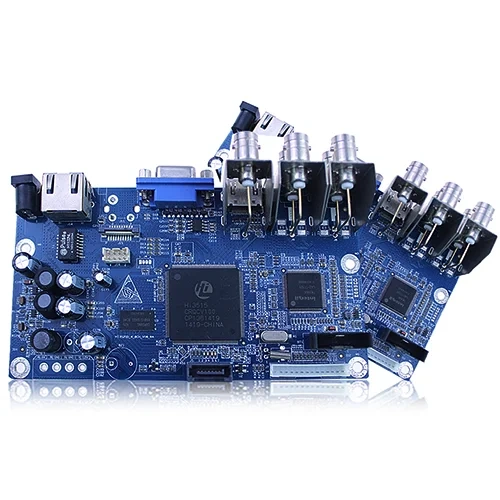
PCBA-Fertigung in Kleinserien
Viele Menschen glauben, dass „Leiterplattenfertigung“ und „Leiterplattenproduktion“ dasselbe bedeuten. Die Begriffe werden oft synonym verwendet, doch ihre Bedeutung lässt sich genauer erfassen, wenn man sie wie folgt voneinander abgrenzt:
1. Fertigungsprozess für Leiterplattenbaugruppen
Die PCBA-Fertigung umfasst zwei Hauptschritte: die Herstellung und die Bestückung. Unter der Herstellung versteht man die Verarbeitung von Rohmaterialien wie Laminaten, Substraten, Lötmasken und anderen Grundmaterialien zu einer Leiterplatte. Die Bestückung bezeichnet das Anbringen oder Befestigen elektronischer Bauteile auf der Leiterplatte mittels Lötverfahren. Der gesamte Prozess umfasst klare Schritte, die das Designpaket, das das Leiterplattenlayout, Materialien, die Stückliste, die Komponentenliste und andere Anweisungen enthält, in ein physisches und funktionsfähiges Produkt verwandeln, das die Zielfunktion erfüllen kann. Die PCBA-Fertigung kann zur Herstellung von Proof-of-Concept-Leiterplatten, Prototypen oder fertigen Leiterplatten genutzt werden.
2. Leiterplattenbestückung
Die PCBA-Fertigung ist der Prozess, bei dem mithilfe des PCBA-Fertigungsverfahrens fertige Leiterplattenbaugruppen hergestellt werden. Fertige Leiterplatten werden in der Regel in komplexeren Systemen und in Produktionsumgebungen eingesetzt. Bei der PCBA-Fertigung unterscheidet man zwei Arten: Kleinserien und Großserien.
Die Herstellung von Leiterplatten in Großserie und die Produktion von Leiterplatten in Großserie können in der Praxis als ein und derselbe Prozess betrachtet werden. Dies ist ein Grund, warum die Begriffe „Herstellung“ und „Produktion“ oft verwechselt werden. In beiden Fällen ist das Ergebnis eine große Anzahl fertiger Leiterplatten, deren Zahl Tausende oder sogar noch mehr erreichen kann.
Bei Produkten in Kleinserien verhält es sich anders, da nicht alle Leiterplattenbestückungen für Endverbraucher oder den Direktverkauf bestimmt sind. Während der Entwicklungsphase ist es durchaus üblich, mehrere Prototypen-Iterationen der Leiterplattenbestückung zu erstellen, um die bestmögliche Designqualität zu erreichen. Jede Iteration umfasst dabei möglicherweise nur einige Dutzend oder ein paar Dutzend Leiterplatten.
Bei der Kleinserienfertigung hängt die Stückzahl vom jeweiligen Produkt ab und kann bei einigen hundert Einheiten oder weniger liegen. Nachfolgend finden Sie einige Beispiele.
Die obige Tabelle enthält nicht alle kundenspezifischen Leiterplattenprodukte, bei denen Kleinserienfertigung zum Einsatz kommen kann. Dennoch enthält sie gängige Beispiele für die Kleinserienfertigung, und diese Beispiele beinhalten in der Regel kundenspezifische Entwicklungsarbeiten. Dies hilft uns dabei, Wege zu finden, um den Produktionsprozess effizienter zu gestalten.
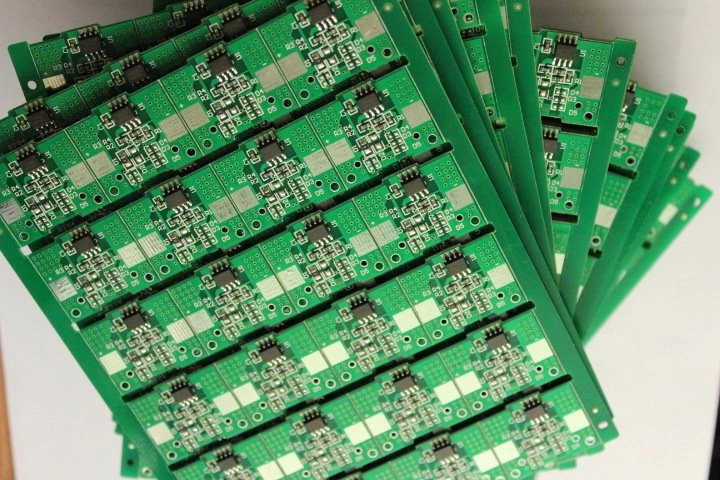
Effiziente Fertigung von kundenspezifischen Leiterplatten in kleinen Stückzahlen
Eine effiziente Leiterplattenfertigung in Kleinserien lässt sich als die Herstellung von Leiterplatten definieren, die eine maximale Ausbeute, kürzeste Durchlaufzeiten und optimale Kosten gewährleistet. Diese Ziele lassen sich durch folgende Maßnahmen erreichen.
So erzielen Sie den höchsten Ertrag
Die Ausbeute ist das Verhältnis der brauchbaren Leiterplatten zur Gesamtzahl der produzierten Leiterplatten. Die Ausbeute lässt sich durch die Anwendung guter Designregeln verbessern, darunter die Einhaltung der DFM-Richtlinien des Auftragsfertigers sowie die Verbesserung der Designqualität bereits in der Prototypenphase.
Eine gute Ausbeute ist kein Zufall. Sie beginnt mit einem klaren Design, einer übersichtlichen Stückliste und korrekten Bauteileabdrücken. Sie hängt auch davon ab, ob das Leiterplattenlayout eine einfache Fertigung und Montage ermöglicht. So beeinflussen beispielsweise die Padgröße, der Leiterbahnabstand, die Via-Struktur, der Bauteilabstand und die Lötmaskenöffnungen das Endergebnis. Ist das Design fertigungsfreundlich, lässt sich die Leiterplatte viel einfacher herstellen, und die Fehlerquote sinkt.
So erzielen Sie die kürzeste Durchlaufzeit bei der Leiterplattenfertigung
Ein guter Fertigungsprozess für Leiterplatten wird oft daran gemessen, wie schnell die Leiterplatte hergestellt werden kann. Doch Geschwindigkeit sollte niemals auf Kosten der Qualität gehen. Deshalb ist es sehr wichtig, Fertigungs- und Bestückungsdienstleister zu wählen, die beides gleichzeitig optimieren können.
Eine schnelle Durchlaufzeit erfordert eine gute Planung. Dazu gehören korrekte Dateien, eindeutige technische Daten, vollständige Stücklisten und stabile Lieferketten. Wenn die Bauteile bereitstehen, die Leiterplatte fertig ist und der Prozess klar definiert ist, kann die Produktion deutlich schneller voranschreiten. Fehlt auch nur eines dieser Elemente, kann es zu Verzögerungen im Zeitplan kommen.
So erhalten Sie den besten Preis
Bei der Fertigung von Leiterplatten in kleinen Stückzahlen ist der niedrigste Preis nicht immer die beste Wahl. Das Ziel ist es, das beste Preis-Leistungs-Verhältnis zu erzielen.
Das bedeutet, das richtige Gleichgewicht zwischen Zeit und Kosten zu finden. Es bedeutet auch, sicherzustellen, dass Ihr Auftragsfertiger Leiterplatten von höchster Qualität bei möglichst geringem Ausschuss herstellen kann. In vielen Fällen kann ein etwas höherer Stückpreis später viel Geld sparen, da dadurch Nacharbeiten, Ausschuss und Verzögerungen reduziert werden können.
Kurz gesagt: Der beste Preis ist nicht einfach nur das günstigste Angebot. Es sind die Gesamtkosten von Anfang bis Ende, einschließlich Ausbeute, Arbeitsaufwand, Nacharbeit, Materialverlust und Lieferzeit.
Ablauf des SMT-Prototypenbaus und der Kleinserienfertigung von Leiterplatten
Nachfolgend finden Sie den üblichen Ablauf für SMT-Prototypenbau, Kleinserienfertigung oder PCBA-Fertigung:
1. Einseitige Oberflächenmontage
Lötpastendruck → Bestückung → Reflow-Löten
Dies ist das einfachste SMT-Verfahren. Es kommt zum Einsatz, wenn alle SMD-Bauteile auf einer Seite der Leiterplatte bestückt werden. Zunächst wird die Lötpaste aufgedruckt, dann werden die Bauteile platziert, und anschließend durchläuft die Leiterplatte den Reflow-Lötprozess.
2. Beidseitige Oberflächenmontage
Seite A: Auftragen der Lötpaste → Bestücken → Reflow-Löten → Wenden der Leiterplatte → Seite B: Auftragen der Lötpaste → Bestücken → Reflow-Löten
Dieses Verfahren kommt zum Einsatz, wenn SMD-Bauteile auf beiden Seiten der Leiterplatte bestückt werden. Zunächst wird die erste Seite bestückt und im Reflow-Verfahren gelötet, dann wird die Leiterplatte gewendet und anschließend die zweite Seite bearbeitet.
3. Einseitige gemischte Bestückung
(SMD- und Durchsteckbauteile auf derselben Seite)
Lötpastendruck → Bestückung → Reflow-Löten → manuelles Bestücken mit Durchsteckbauteilen (THC / THT) → Wellenlöten
Dieses Verfahren kommt zum Einsatz, wenn die Leiterplatte auf derselben Seite sowohl SMD- als auch Durchsteckbauteile aufweist. Zunächst werden die SMD-Bauteile bestückt und im Reflow-Verfahren gelötet. Anschließend werden die Durchsteckbauteile von Hand bestückt, und die Leiterplatte durchläuft den Wellenlötprozess.
4. Einseitige gemischte Bestückung
(SMD- und Durchsteckbauteile auf verschiedenen Seiten der Leiterplatte)
Seite B: Druck mit rotem Klebstoff → Bestückung → Aushärten des roten Klebstoffs → Wenden der Platine → Seite A: Einstecken der Durchsteckbauteile → Seite B: Wellenlöten
Diese Methode wird angewendet, wenn sich SMD- und Durchsteckbauteile auf unterschiedlichen Seiten befinden. Der rote Klebstoff sorgt dafür, dass die Bauteile an ihrem Platz bleiben, und durch das Aushärten wird der Klebstoff vor dem nächsten Schritt hart.
5. Beidseitige gemischte Bestückung
(THC auf Seite A, SMD sowohl auf Seite A als auch auf Seite B)
Seite A: Auftragen der Lötpaste → Bestücken → Reflow-Löten → Wenden der Leiterplatte → Seite B: Auftragen des roten Klebers → Bestücken → Aushärten des roten Klebers → Wenden der Leiterplatte → Seite A: Einstecken der Durchsteckbauteile → Seite B: Wellenlöten
Dieser Prozess ist komplexer. Er kommt zum Einsatz, wenn die Platine auf beiden Seiten SMD-Bauteile und auf Seite A Durchsteckbauteile aufweist.
6. Beidseitige gemischte Bestückung
(SMD und THC sowohl auf Seite A als auch auf Seite B)
Seite A: Auftragen der Lötpaste → Bestücken → Reflow-Löten → Wenden der Leiterplatte → Seite B: Auftragen des roten Klebers → Bestücken → Aushärten des roten Klebers → Wenden der Leiterplatte → Seite A: Einstecken der Durchsteckbauteile → Seite B: Wellenlöten → Seite B: Einstecken der Durchsteckbauteile
Dies ist der komplexeste Prozess in der Liste. Er kommt zum Einsatz, wenn auf beiden Seiten der Leiterplatte sowohl SMD- als auch Durchsteckbauteile vorhanden sind.
Nach diesen Schritten kann die Platine für Computerprodukte, verwandte Produkte, Kommunikationsprodukte, Unterhaltungselektronik und viele andere Anwendungen verwendet werden.
Das ist die Art von Arbeitsablauf, mit der SMT-Werkstätten täglich zu tun haben. Jedes Produkt, das das Werk verlässt, muss einer strengen Prüfung unterzogen werden. Damit soll sichergestellt werden, dass jeder Kunde ein einwandfreies Produkt erhält. Dies gehört auch zu den Kernaufgaben eines guten Leiterplattenherstellers.
Warum die Fertigung von Leiterplatten in kleinen Stückzahlen auf Maß wichtig ist
Die Fertigung von Leiterplatten in kleinen Stückzahlen auf Maß spielt in der praktischen Fertigung eine wichtige Rolle. Sie bietet Ingenieuren die Möglichkeit, Ideen zu testen, Entwürfe zu optimieren und Risiken zu minimieren, bevor die Serienproduktion anläuft. Auch für Spezialprodukte ist sie sehr nützlich, da manche Produkte zwar keine großen Stückzahlen erfordern, dafür aber hohe Qualität und Zuverlässigkeit benötigen.
In vielen Fällen ist die Kleinserienfertigung nicht nur ein erster Schritt. Sie ist Teil des gesamten Produktlebenszyklus. Eine Leiterplatte durchläuft möglicherweise mehrere Prototypeniterationen, mehrere Testrunden und mehrere Prozessänderungen, bevor sie für den endgültigen Einsatz bereit ist. Bei guter Prozesssteuerung kann das Team Zeit und Kosten sparen und ein besseres Endergebnis erzielen.
Abschließende Gedanken
Um die Effizienz bei der Fertigung kundenspezifischer Leiterplatten in Kleinserien zu maximieren, kommt es nicht nur darauf an, die Leiterplatten schnell herzustellen. Das eigentliche Ziel besteht darin, die Leiterplatten in hoher Qualität zu fertigen – mit hoher Ausbeute, kurzen Lieferzeiten und guter Kostenkontrolle.
Das bedeutet, dass Sie eine solide DFM- und DFA-Unterstützung, eine gute Prototypenkontrolle, einen klaren Montageprozess, eine stabile Teileversorgung und strenge Prüfverfahren benötigen. Wenn all diese Komponenten zusammenwirken, wird die Fertigung von kundenspezifischen Leiterplatten in Kleinserien effizienter, stabiler und für die praktische Produktentwicklung wertvoller.