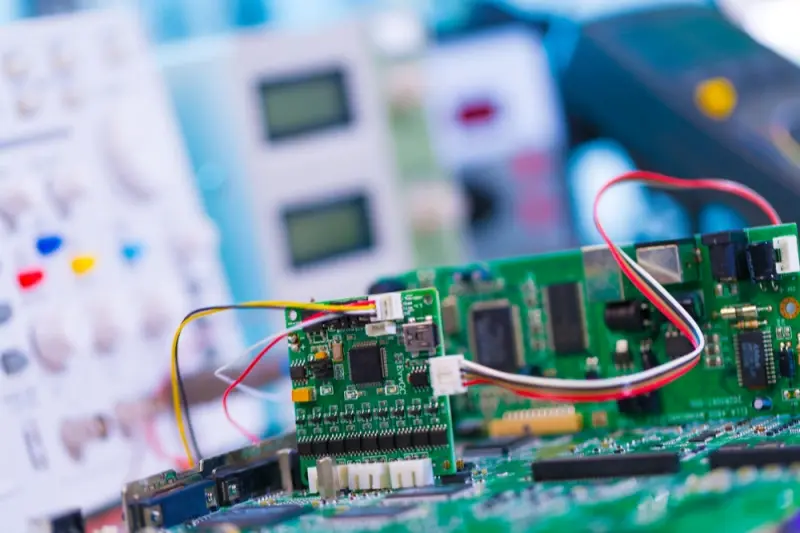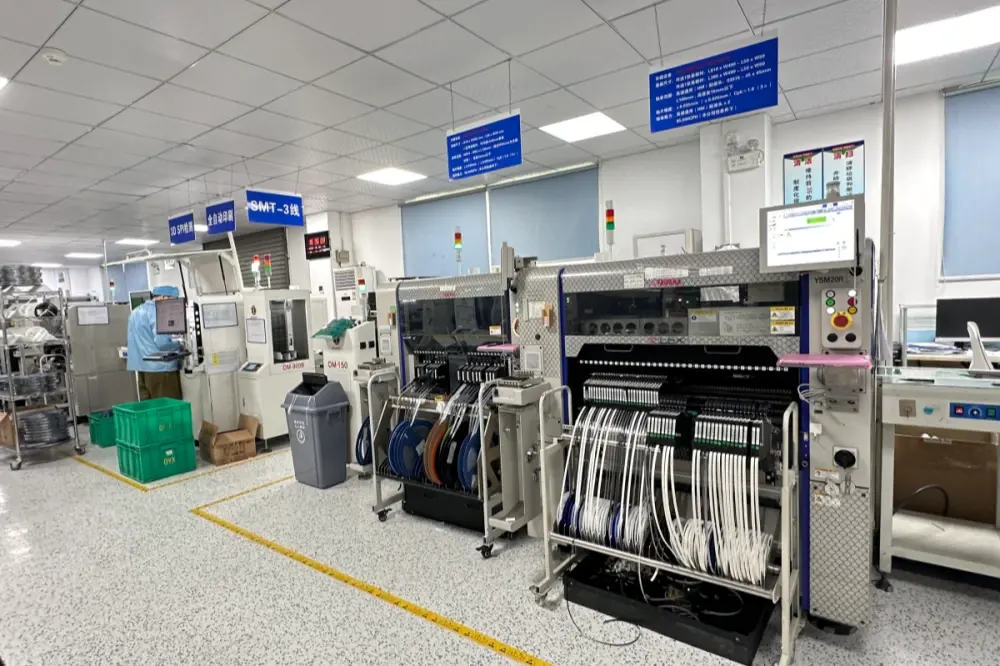

















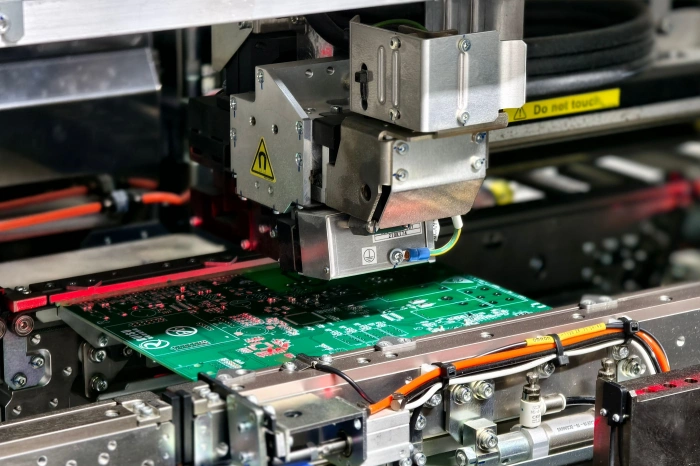
Mit der kontinuierlichen Entwicklung der elektronischen Technologie werden die Anforderungen der Menschen an das Produktdesign immer höher, die technische Verdrahtung wird immer präziser und die Verpackungen für elektronische Bauteile werden immer kleiner. Die Kontrolle der Produktqualität ist zur größten Herausforderung für die Leiterplattenmontage geworden. Von Herstellung von PCB-Leiterplatten, Von der Beschaffung und Inspektion der Bauteile über die SMT-Chip-Verarbeitung, die Plug-in-Verarbeitung, das Brennen von Programmen, die Prüfung, die Alterung und andere Prozesse bis hin zum Versand des Endprodukts ist jeder Schritt sehr wichtig, und jedes Detail im Montageprozess bestimmt die Qualität des Endprodukts.
1. Herstellung von PCB-Leiterplatten
Analysieren Sie nach Erhalt der PCBA-Bestellung die Gerber-Datei, achten Sie auf das Verhältnis zwischen dem Lochabstand der Leiterplatte und der Tragfähigkeit der Platine, achten Sie darauf, dass sich die Platine nicht verbiegt oder bricht und ob bei der Verdrahtung wichtige Faktoren wie Hochfrequenzsignalstörungen und Impedanz berücksichtigt werden.
2. Beschaffung und Inspektion von Komponenten
Die Beschaffung von Bauteilen erfordert eine strenge Kontrolle der Kanäle und muss bei großen Händlern und Originalfabriken erfolgen. 100% vermeidet Materialien aus zweiter Hand und gefälschte Materialien. Darüber hinaus wird eine spezielle Inspektionsstelle für eingehende Materialien eingerichtet, und die folgenden Punkte werden streng kontrolliert, um sicherzustellen, dass die Komponenten fehlerfrei sind.
- PCB: Reflow-Lötofen-Temperaturtest, keine fliegenden Leitungen, ob die Durchkontaktierungen blockiert sind oder Tinte austritt, ob die Platinenoberfläche verbogen ist usw;
- IC: Prüfen Sie, ob der Siebdruck vollständig mit der Stückliste übereinstimmt, und halten Sie ihn bei konstanter Temperatur und Feuchtigkeit;
- Andere übliche Materialien: Kontrolle des Siebdrucks, des Aussehens, der Einschaltmessung usw. Die Prüfpunkte werden nach der Methode der Stichprobenprüfung durchgeführt, und das Verhältnis ist in der Regel 1-3%.
3. SMT-Patch-Verarbeitung
Der Lotpastendruck und die Temperaturregelung des Reflow-Ofens sind wichtige Punkte. Es ist sehr wichtig, Laserschablonen von guter Qualität zu verwenden und die Prozessanforderungen zu erfüllen. Je nach den Anforderungen der Leiterplatte müssen einige Stahlgitterlöcher vergrößert oder verkleinert werden, oder es werden U-förmige Löcher verwendet, um Stahlgitter entsprechend den Prozessanforderungen herzustellen. Die Regelung der Ofentemperatur und -geschwindigkeit beim Reflow-Löten ist für die Infiltration der Lötpaste und die Zuverlässigkeit des Lötens sehr wichtig. Sie kann in Übereinstimmung mit den normalen SOP-Betriebsrichtlinien gesteuert werden. Darüber hinaus muss die AOI-Prüfung strikt durchgeführt werden, um die durch menschliche Faktoren verursachten Fehler zu minimieren.
4. DIP Plug-In Verarbeitung
Beim Plug-in-Verfahren ist die Formgestaltung für das Wellenlöten ein wichtiger Punkt. Wie man Formen einsetzt, um die Wahrscheinlichkeit guter Produkte nach dem Ofen zu maximieren, ist ein Prozess, den PE-Ingenieure weiterhin üben und Erfahrungen zusammenfassen müssen.
5. Programm Abschuss
Im vorangegangenen DFM-Bericht kann den Kunden vorgeschlagen werden, einige Testpunkte auf der Leiterplatte einzurichten, um die Kontinuität der Leiterplatte und der PCBA-Schaltung nach dem Löten aller Komponenten zu testen. Wenn Sie Bedingungen haben, können Sie den Kunden bitten, ein Programm bereitzustellen, das Programm in die Hauptsteuer-IC durch den Brenner zu brennen und die Funktionsänderungen durch verschiedene Berührungsaktionen intuitiver zu testen, um die Funktion der gesamten PCBA Vollständigkeit zu testen.
6. PCBA-Platinen-Test
Bei Aufträgen mit PCBA-Testanforderungen umfasst der Haupttestinhalt ICT, FCT, Alterungstest, Temperatur- und Feuchtigkeitstest, Falltest usw., entsprechend dem Testplan des Kunden und den zusammenfassenden Berichtsdaten.
PHILIFAST bietet PCB-Herstellung und -Bestückung aus einer Hand, einen kompletten Produktionsprozess und einen Schwerpunkt auf Qualitätskontrolle.