

















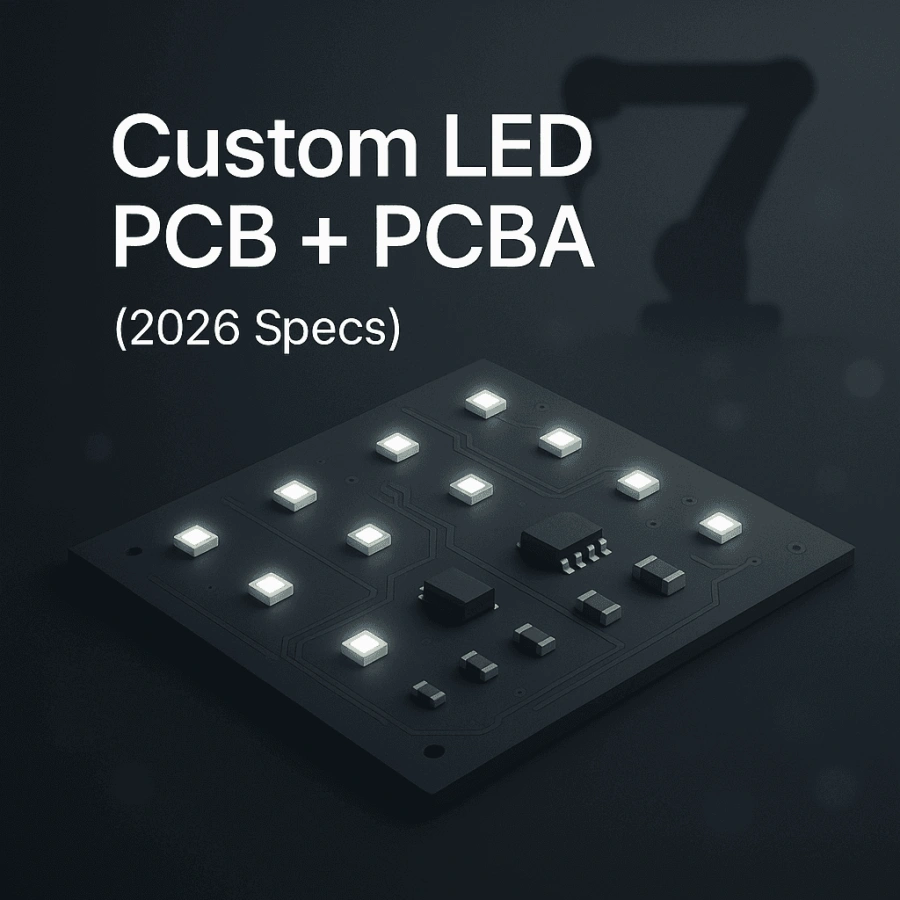
Είναι όλα όσα βρίσκονται γύρω του.
Πρώτα πρέπει να κατασκευαστεί η πλακέτα LED. Μετά να βρεις μια ξεχωριστή εταιρεία συναρμολόγησης. Στη συνέχεια, να κυνηγάς κάποιον για ερωτήσεις σχετικά με την ταξινόμηση των LED, θερμικά προβλήματα, παράξενο τρεμόπαιγμα κατά τη ρύθμιση της έντασης του φωτός ή για το λόγο που οι πλακέτες σου φαίνονται ελαφρώς διαφορετικές από παρτίδα σε παρτίδα. Έπειτα, η συσκευασία. Μετά, μια αλλαγή στην δοκιμή την τελευταία στιγμή. Και ξαφνικά έχεις πέντε προμηθευτές, δώδεκα αλυσίδες email και μία προθεσμία που δεν λαμβάνει υπόψη τίποτα από όλα αυτά.
Ας μιλήσουμε λοιπόν για την απλή εκδοχή.
Προσαρμοσμένη πλακέτα LED και συναρμολόγηση (PCBA) από ένα μόνο σημείο. Με όρους του 2026, αυτό ουσιαστικά σημαίνει: στέλνετε τα αρχεία Gerber και τον κατάλογο υλικών (BOM) μία φορά και παραλαμβάνετε πλακέτες που έχουν συναρμολογηθεί, ελεγχθεί και συσκευαστεί ακριβώς όπως τις χρειάζονται η γραμμή παραγωγής σας ή οι εγκαταστάτες σας.
Αυτή είναι η βασική αρχή της Philifast. Ολοκληρωμένες υπηρεσίες PCB και PCBA για έργα φωτισμού LED, που περιλαμβάνουν κατασκευή, συναρμολόγηση, δοκιμές και τελική συσκευασία. Αν διαθέτετε ήδη αρχεία, μπορείτε να τα στείλετε σήμερα και να λάβετε μια γρήγορη, δωρεάν προσφορά.
Πριν το κάνετε όμως, δείτε τι πρέπει να προσέξετε, τι σημαίνουν συνήθως οι “προδιαγραφές του 2026” σε πραγματικά έργα, καθώς και τα στοιχεία που, χωρίς να το καταλαβαίνετε, καθορίζουν την αξιοπιστία μιας πλακέτας LED.
Γιατί τα έργα PCB με LED αποτυγχάνουν με βαρετούς τρόπους
Τα περισσότερα προβλήματα με τις πλακέτες LED δεν είναι σοβαρά. Είναι χρονοβόρα, δαπανηρά και κάπως ενοχλητικά.
- Μια πλακέτα με μεταλλικό πυρήνα που δεν μπορεί να μεταφέρει τη θερμότητα όπως υποθέτατε.
- Εμφανίζονται μικρές κενές περιοχές στη συγκόλληση κάτω από τα LED υψηλής ισχύος και το ποσοστό αστοχιών σε πραγματικές συνθήκες λειτουργίας αυξάνεται.
- Διαφοροποίηση χρώματος σε ένα φωτιστικό λόγω χαλαρού ελέγχου της ταξινόμησης κατά κατηγορίες.
- Συνδέσεις που ήταν “εντάξει” στο εργαστήριο, αλλά χαλαρώνουν μετά από κύκλους δόνησης ή θερμικής εναλλαγής.
- Προβλήματα DFM που εντοπίστηκαν αφού είχαν ήδη παραγγελθεί τα εξαρτήματα.
Και το βασικό ζήτημα είναι συχνά ο συντονισμός. Όταν η κατασκευή και η συναρμολόγηση γίνονται ξεχωριστά, κάθε προμηθευτής είναι υπεύθυνος μόνο για ένα μέρος του τελικού αποτελέσματος. Στην περίπτωση των προϊόντων LED, το τελικό αποτέλεσμα αφορά ταυτόχρονα τη θερμική, την οπτική και την ηλεκτρική απόδοση. Πρόκειται για ένα αλληλένδετο σύνολο.
Γι“ αυτό και η προσέγγιση ”όλα από ένα μέρος» είναι σημαντική. Χρειάζεστε έναν συνεργάτη που να μπορεί να εξετάζει συνολικά τη διάταξη στρωμάτων, το χαλκό, τη μάσκα συγκόλλησης, το στένσιλ, την επανασυγκόλληση, τον έλεγχο και τη συσκευασία. Όχι ως ξεχωριστές εργασίες.
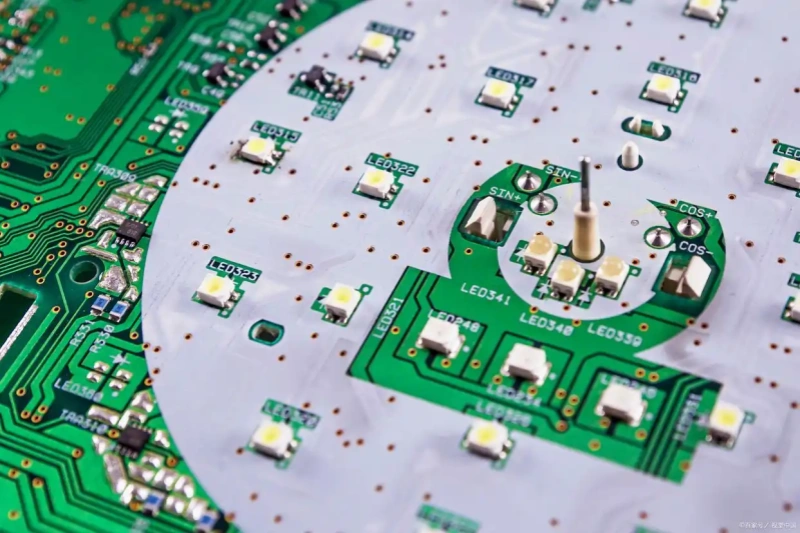
Τι πρέπει να περιλαμβάνει (τουλάχιστον) η υπηρεσία “Προσαρμοσμένα PCB LED + PCBA σε ένα μέρος”
Όταν οι άνθρωποι αναφέρονται στην έννοια «one stop», αυτό μπορεί να σημαίνει εντελώς διαφορετικά πράγματα. Στον τομέα της κατασκευής LED, ο χρήσιμος ορισμός είναι:
- Κατασκευή PCB (FR4, MCPCB, ενίοτε υβριδικές διαρθρώσεις)
- Προμήθεια στοιχείων (ή τουλάχιστον σαφή υποστήριξη για τα ανταλλακτικά που παραδίδονται με παρακαταθήκη)
- SMT + συναρμολόγηση με διαμπερείς οπές
- Έλεγχος του προφίλ επαναρροής για τα LED
- Δοκιμές (ηλεκτρικές, λειτουργικές, οπτικές και, ιδανικά, επιλογές δοκιμαστικής λειτουργίας)
- Τελική συσκευασία (ESD, δίσκοι, επισήμανση, συσκευασία σε σετ, απαιτήσεις για χαρτοκιβώτια)
- Τεκμηρίωση και ιχνηλασιμότητα (κωδικοί παρτίδας, αρχεία διαδικασιών, αναθεωρήσεις)
Η Philifast εντάσσεται ακριβώς σε αυτή την κατηγορία. Ένας προμηθευτής, ένας υπεύθυνος διαδικασίας, ένα χρονοδιάγραμμα.
Χαρακτηριστικά για το 2026 που ζητούν πραγματικά οι χρήστες στις πλακέτες LED
“Η φράση ”προδιαγραφές του 2026» ακούγεται σαν διαφημιστικό σλόγκαν, αλλά ουσιαστικά αντανακλά τις τρέχουσες προσδοκίες των αγοραστών, τώρα που τα προϊόντα LED έχουν ωριμάσει. Ακολουθούν οι τομείς προδιαγραφών που αναφέρονται πιο συχνά.
1) Θερμική απόδοση, όχι απλώς “είναι ένα MCPCB”
Για οτιδήποτε μεσαίας έως υψηλής ισχύος, θα σας ζητηθούν πληροφορίες σχετικά με τη θερμική διαδρομή.
Συνηθισμένα αιτήματα περιλαμβάνουν:
- Βάση από αλουμίνιο MCPCB, με καθορισμένο πάχος διηλεκτρικού υλικού και θερμική αγωγιμότητα
- Πάχος χαλκού διαθέσιμες επιλογές (συνήθως 1 oz, 2 oz, ενίοτε και βαρύτερες για ράγες υψηλού ρεύματος)
- Σχεδιασμός θερμικών διαύλων σε πλακέτες FR4 (μέσω γεμίσματος ή τοποθέτησης γέφυρας, ανάλογα με το αποτύπωμα του LED)
- Έλεγχος επιπεδότητας (σημαντικό για την οπτική, τη στερέωση των φακών και τα υλικά θερμικής διασύνδεσης)
Στην πράξη, το σωστό ερώτημα είναι: ποια θερμοκρασία διασταύρωσης θα παρατηρήσω στην πραγματική θερμοκρασία περιβάλλοντος, με το πραγματικό ρεύμα οδήγησης, μετά από 2 ώρες; Και μπορεί η κατασκευή της πλακέτας να εξασφαλίσει την επαναληψιμότητα αυτού του αποτελέσματος από παρτίδα σε παρτίδα;
2) Ποιότητα συναρμολόγησης LED: έλεγχος κενών, ευθυγράμμισης και επανασυγκόλλησης
Εάν χρησιμοποιείτε συσκευασίες τύπου 2835, 3030, 3535, 5050, CSP ή υψηλής ισχύος, η ποιότητα της συναρμολόγησης επηρεάζει άμεσα:
- σταθερότητα της φωτεινής ροής
- σταθερότητα χρώματος με την πάροδο του χρόνου
- θερμική αντίσταση
- αρχικές αποτυχίες
Μια καλή διαδικασία συναρμολόγησης πρέπει να ασκεί αυστηρό έλεγχο στα εξής:
- πάχος στένσιλ και σχεδιασμός ανοίγματος
- επιλογή πάστας συγκόλλησης
- reflow profile tuned for the specific LEDs
- AOI settings that are LED aware (not just generic pass fail)
- ESD handling
This is where a combined PCB + PCBA vendor helps, because stencil, pads, mask, and reflow are planned together.
3) Dimming behavior and EMI basics
By 2026, customers assume dimming “just works”. But you still need the board to support it.
Common requirements:
- PWM dimming compatibility (layout that avoids visible flicker issues)
- analog dimming support where needed
- good grounding and return paths to reduce noise
- connector and cable considerations (because half the EMI issues show up off board)
Even if Philifast is building the board, you still want them to flag layout risks early, before you lock it.
4) Traceability, revision control, and production consistency
If you are selling into commercial lighting, industrial, automotive adjacent, or anything regulated, you will need traceability.
Not always full medical level traceability, but at least:
- revision matched fabrication and assembly
- date codes / lot records
- consistent materials and process control
One stop manufacturing simplifies that, because you are not reconciling two separate vendors’ records when something goes wrong.
Picking the right PCB material for LEDs (quick, practical)
There are three common directions.
FR4 LED boards
Good for:
- indicator LEDs, low to medium power
- control boards in luminaires (drivers, sensors, comms)
- cost sensitive designs
Watch out for:
- thermal bottlenecks under high power LEDs
- via and copper strategy for heat spreading
Aluminum MCPCB
Good for:
- high power LED modules
- COB holders, linear high density boards
- anything where heat is the main reliability limit
Watch out for:
- dielectric thermal conductivity and thickness
- isolation needs if you are doing high voltage designs
- mechanical constraints and mounting holes tolerances
Hybrid approaches
Sometimes you do:
- FR4 control + MCPCB LED engine
- or multi board systems connected by harness
This is where one supplier is really useful, because they can build both board types and kit them together.
Assembly details that matter more than people expect
A few “small” assembly choices show up later as failure rates or warranty claims.
Solder mask and reflectivity
For LED boards, solder mask is not just protection. It affects reflectance and appearance.
You may need:
- white solder mask with controlled thickness
- consistent color batch to batch
- clean silkscreen or no silkscreen in optical zones
Connectors and wire terminations
If installers touch it, it will be abused. Slightly.
So you want:
- robust connector footprints
- strain relief planning
- through hole anchors when needed
- clear polarity marking that survives handling
Conformal coating or protection
If your LED board goes outdoors or into humidity, coating becomes part of the BOM. If you need it, specify it early because it changes:
- rework process
- test points
- packaging
Fastener and mechanical stack compatibility
Mounting holes. Keepout zones for lenses. Screw boss alignment. These are not “PCB” issues alone. They are product issues. But your PCB partner should be used to asking for mechanical drawings and confirming what matters.
Testing for LED PCBA: what to ask for
If someone says “we test it”, ask what that means.
At minimum, you usually want:
- Open short testing for the PCB (pre assembly, when applicable)
- AOI post reflow
- Λειτουργική δοκιμή: correct LED channels, current draw, basic dimming behavior, polarity
- Οπτική επιθεώρηση: LED orientation, lens cleanliness if applicable, cosmetic requirements
Depending on the product, you might add:
- burn in / aging (helps catch early life failures)
- thermal cycling (for harsher environments)
- lumen and CCT checks (especially if you are selling “matching” fixtures)
- hipot / insulation tests (for higher voltage boards and safety compliance contexts)
Philifast offers testing as part of their one stop workflow. The best move is to tell them what your product needs, not just “do standard test”. Because LED products vary a lot.
You might also want to consider some insights shared in this blog which could provide further understanding on specific testing requirements and practices.
Final packaging is part of quality, not an afterthought
This sounds like logistics. It is actually reliability.
LED boards hate:
- ESD
- bent boards
- scratched solder mask in optical areas
- mixed revisions in one box (it happens more than you would think)
Good packaging can include:
- ESD bags
- trays or custom separators
- label control (PN, revision, quantity, lot)
- kitting hardware if you ship complete modules (screws, thermal pads, wires)
Philifast includes final packaging in their service scope, which is helpful if you are shipping direct to a contract manufacturer, an installer network, or Amazon style fulfillment where labeling matters.
What to send for a fast, accurate LED PCB + PCBA quote
If you want a quote that does not come back with a dozen questions, send a clean package.
Here is the practical list:
- Αρχεία Gerber (or ODB++)
- NC drill files
- PCB stackup requirements
- For MCPCB: base thickness, dielectric thickness, thermal conductivity target if you have one
- BOM with manufacturer part numbers
- Pick and place file (centroid)
- Σχέδια συναρμολόγησης (polarity, special notes, connectors)
- Testing requirements (even if basic)
- Ποσότητα (prototype and expected production)
- Any critical quality notes
- Color consistency, cosmetic zones, no fingerprints on certain areas, etc.
Send that once, and your supplier can usually respond quickly and accurately. This is exactly the workflow Philifast is aiming for with the “send files today for a fast, free quote” promise.
A realistic “one stop” process (how it should feel)
This is what a good project flow looks like, not perfectly, but close.
- You send files.
- They do a Αξιολόγηση DFM and come back with a few questions that actually make sense.
- You confirm materials, finish, mask color, and any special LED assembly notes.
- They build prototypes.
- You test, maybe revise.
- They lock the build spec for production.
- They run batches, test, package, and ship on schedule.
If you are constantly explaining basic LED assembly concerns to your vendor, you picked the wrong vendor. You want someone who has seen the weird failure modes before.
When Philifast makes the most sense
There are a few situations where one stop PCB + PCBA is not just convenient, it is the difference between stable production and chaos.
- You are launching a new LED product and need prototypes fast, then small batches, then scale.
- You have an existing design but inconsistent quality and you want tighter process control.
- You are building multiple board types (LED engine + control) and want kitting and consistent labeling.
- You are tired of vendors blaming each other.
Philifast is positioned as a reliable LED PCB partner for exactly these LED lighting project needs: fabrication, assembly, testing, and final packaging.
Send your files, get a fast free quote
If you already have your design ready, do the simple thing.
Send Philifast your Γκέρμπερ, BOM, and pick and place files, and ask for a quote for custom LED PCB + PCBA in one place. You will get a fast, free quote, and you can align on build specs before money gets wasted on the wrong materials or a sloppy assembly process.
Reliable LED boards are not magic. They are just the result of the right materials, the right process, and one team owning the outcome end to end.
If that is what you want for your next LED lighting project, Philifast is a solid place to start.
FAQs (Συχνές ερωτήσεις)
What are the common challenges in taking an LED lighting product from prototype to production?
The main challenges include coordinating multiple vendors for PCB fabrication, assembly, LED binning, thermal management, dimming issues, and packaging. This often leads to complex communication with several vendors and tight deadlines.
Why is having a single supplier for custom LED PCB and PCBA beneficial?
A single supplier manages fabrication, assembly, testing, and packaging together, ensuring better coordination. This unified approach addresses thermal, optical, and electrical aspects simultaneously, reducing risks like solder voiding, color shifts, and connector failures.
What services should a one-stop custom LED PCB + PCBA provider offer?
They should provide PCB fabrication (FR4, MCPCB), component procurement support, SMT and through-hole assembly, reflow profile control tailored for LEDs, comprehensive testing (electrical, functional, visual), final packaging with ESD protection and labeling, plus documentation and traceability including lot codes and process records.
What are the key ‘2026 specs’ buyers expect for LED boards?
Buyers expect detailed thermal performance specifications such as MCPCB aluminum base with defined dielectric thickness and copper thickness options; high-quality LED assembly with controlled solder voiding and precise alignment; reliable dimming behavior supporting PWM and analog dimming with EMI considerations; plus thorough traceability and revision control ensuring consistent production quality.
How does thermal management impact LED PCB design?
Thermal management is critical for mid to high power LEDs. It involves selecting proper MCPCB materials with specified dielectric thickness and thermal conductivity, choosing appropriate copper thickness (1 oz to heavier), designing thermal vias correctly on FR4 boards, and controlling board flatness to ensure consistent junction temperature under real operating conditions.
What factors affect LED assembly quality on PCBs?
Assembly quality depends on stencil thickness and aperture design, solder paste selection, reflow profile tuned specifically for the LED package type (e.g., 2835, 5050), AOI settings that detect LED-specific defects rather than generic faults, plus strict ESD handling procedures to maintain luminous flux consistency, color stability over time, reduce early failures and ensure optimal thermal resistance.

