
















مقدمة
على الرغم من الرقابة الصارمة على العمليات في إنتاج ثنائي الفينيل متعدد الكلور، لا تزال العيوب التي لا تفي بمتطلبات العملية تحدث في التصنيع الفعلي. وبموجب مبادئ إدارة الجودة الشاملة (TQM)، يجب فرز هذه الألواح المعيبة وتحليلها ومعالجتها بشكل صحيح. وباعتبارها شركة متخصصة في تصنيع مركبات ثنائي الفينيل متعدد الكلور المحترفة، تعمل شركة Philifast على سد هذه الفجوة من خلال أنظمة قوية لمراقبة الجودة وخدمات شاملة.
غالبًا ما تعتمد جودة ثنائي الفينيل متعدد الكلور على قدرات الشركة المصنعة. على سبيل المثال، يمكن أن تسفر نفس مادة TG130 عن نتائج متفاوتة عند إقرانها بمجموعات مختلفة من المواد الخام. وقد أدى ظهور الجيل الخامس 5G إلى تغييرات وابتكارات سريعة في صناعة 3C العالمية، مما يجعل النمو التعاوني لجميع اللاعبين الرئيسيين في سلسلة التوريد أمراً بالغ الأهمية. نظرًا لأن منتجات 3C تعطي الأولوية للجودة والعمر الافتراضي، فإن موثوقية المكونات أمر بالغ الأهمية - ويواجه مصنعو ثنائي الفينيل متعدد الكلور، كموردين أساسيين، تدقيقًا صارمًا من المشترين.
تنتقل العديد من منتجات 3C من البحث والتطوير إلى الإنتاج الضخم فقط لتتكبد خسائر بسبب مركبات ثنائي الفينيل متعدد الكلور دون المستوى المطلوب. ولحماية جودة المنتج وسمعة العلامة التجارية، عادةً ما تتعاون شركات المستخدم النهائي مع شركات تصنيع ثنائي الفينيل متعدد الكلور الموثوق بها - تلك التي تلبي المعايير العالية في الجودة والتكنولوجيا والخدمة. تلتزم شركة Philifast بفلسفة “الجودة أولاً” الأساسية للتطوير طويل الأجل، وتتبع معايير IPC في الإنتاج، وتحدد معدلات نجاح صارمة للمنتج النهائي، وتنفذ دورة PDCA (خطة-فعل-تحقق-تصرف) لتحسين جودة المنتج وأدائه باستمرار. وهذا يضمن تشغيل وحدات ثنائي الفينيل متعدد الكلور بثبات وكفاءة بعد التسليم.
وبالإضافة إلى ذلك، تستثمر فيليفاست في البحث والتطوير والابتكار لمراقبة الجودة، حيث تقدم معدات اختبار دقيقة لتطوير مركبات ثنائي الفينيل متعدد الكلور عالية الأداء وتولي اهتماماً كبيراً بالتقنيات الجديدة على مستوى الصناعة. عند إشراك عملاء جدد، تقدم الشركة عروضاً توضيحية مفصلة للمنتجات، أما بعد البيع، فتقدم الدعم الفني لمشاكل المنتج والصيانة.
في عصر تعمل فيه الإلكترونيات على تبسيط وتسريع الحياة والعمل الحديث، تتطور الأجهزة باستمرار لتقديم تجارب أفضل للمستخدمين. لهذا السبب، يجب أن تختار الشركات شريكًا مستقرًا من شركاء ثنائي الفينيل متعدد الكلور من السوق المزدحم. يكتسب المصنعون الموثوق بهم المزيد من الفرص التجارية، مما يعزز تقدم الصناعة بشكل عام.
نظام فيليفاست لمراقبة جودة إنتاج ثنائي الفينيل متعدد الكلور
(1) فهم فحص جودة إنتاج ثنائي الفينيل متعدد الكلور
الغرض من فحص الجودة
في تجميع تقنية التركيب السطحي (SMT)، يهدف فحص الجودة إلى تحديد العيوب وإزالتها، ودعم التحكم الفعال في العملية، وتحسين إنتاجية المنتج.
دور فحص الجودة
- اكتشاف العيوب مبكرًا لمنع تقدم الألواح المعيبة إلى العمليات اللاحقة.
- تقليل تكاليف الإصلاح من خلال معالجة المشكلات على الفور.
- تجنب إلغاء دفعات كاملة من خلال حل الأسباب الجذرية للعيوب.
- خفض تكاليف الإنتاج الإجمالية من خلال الإدارة الاستباقية للجودة.
طرق فحص الجودة الرئيسية
| طريقة الفحص | الوصف الأساسي | سيناريوهات التطبيق | المزايا | القيود |
|---|---|---|---|---|
| الفحص البصري | الفحص اليدوي بواسطة موظفين مدربين | طباعة معجون ما بعد لصق اللحام، ووضع ما بعد المكونات، ولحام ما بعد التدفق، ولحام ما بعد الموجة الموجية، والاختبار ما بعد الاختبار عبر الإنترنت | منخفضة التكلفة وبسيطة التشغيل | تعتمد الموثوقية والدقة والاتساق على مهارة المشغل؛ يتدهور الأداء مع ارتفاع كثافة وضع ثنائي الفينيل متعدد الكلور (المزيد من المكونات لكل وحدة مساحة) ويستغرق وقتًا أطول للوحات الكثيفة |
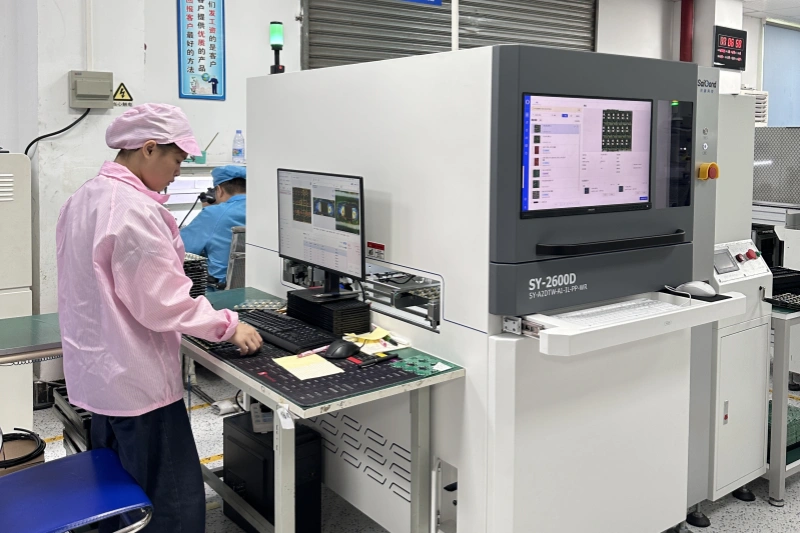
| الهيئة العربية للتصنيع (الفحص البصري الآلي) | يستخدم أجهزة بصرية آلية لمسح صور ثنائي الفينيل متعدد الكلور ومقارنتها بالمعايير | طباعة معجون ما بعد اللحام، لحام ما بعد تدفق اللحام | لا تتأثر بكثافة الموضع؛ سريعة ودقيقة وقابلة للتكرار؛ تحدد العيوب بالحبر أو تعرض الأخطاء على الشاشات بالصور | استثمار أولي أعلى للمعدات الأولية |
| تكنولوجيا المعلومات والاتصالات (اختبار داخل الدائرة) | يستخدم أجهزة اختبار داخل الدائرة للتحقق من وظائف الدائرة الكهربائية | ما بعد التجميع | قدرات تشخيصية قوية؛ تكتشف مشكلات اللحام (الجسور والفتحات والوصلات الباردة والآثار المكسورة) وعيوب المكونات | يتطلب تركيبات مخصصة لمركبات ثنائي الفينيل متعدد الكلور المحددة؛ غير مناسبة للتحقق الوظيفي للنظام بأكمله |
(2) ممارسات مراقبة الجودة الشاملة في إنتاج ثنائي الفينيل متعدد الكلور
A. إنشاء نظام توثيق مراقبة الجودة
- تطوير قواعد فحص جودة ثنائي الفينيل متعدد الكلور ومعايير الاختبار.
- إنشاء إجراءات تشغيلية للفحص البصري، والهيئة العربية للتصنيع، وتكنولوجيا المعلومات والاتصالات، واختبار الدائرة الوظيفية.
- توحيد أدلة المستخدم القياسية لمعدات الاختبار (ماكينات AOI، وأجهزة اختبار تكنولوجيا المعلومات والاتصالات، وماكينات FCT).
- تصميم نماذج/ملصقات سجلات/ملصقات الفحص لتتبع النتائج.
- قم بتوثيق ملاحظات السلامة والتشغيل لكل قطعة من المعدات.
B. إدارة فحص الجودة في الموقع
- نشر موظفي مراقبة الجودة المدربين والمتفرغين لمراقبة الجودة (QC) الذين يلتزمون بقواعد الفحص وسير عمل الاختبار.
- تنفيذ نقاط التفتيش والتفتيش:
- الفحص البصري/الهيئة العربية للتصنيع بعد طباعة عجينة اللحام.
- الفحص البصري بعد وضع المكونات.
- الفحص البصري/الهيئة العربية للتصنيع بعد إعادة اللحام.
- تكنولوجيا المعلومات والاتصالات و FCT بعد اللحام الموجي.
- الفحص البصري للتجميع النهائي والتحقق من الجودة.
- الحكم على حالة نجاح/فشل ثنائي الفينيل متعدد الكلور بناءً على معايير الاختبار؛ تسجيل النتائج وإرفاق ملصقات المنتج.
- تشغيل المعدات بدقة وفقًا لأدلة المستخدم والاحتفاظ بسجلات مفصلة لكل خطوة اختبار.
القواعد الخاصة بتكنولوجيا المعلومات والاتصالات وملاحظات السلامة
- لا يجوز تشغيل الماكينة إلا للموظفين المدربين فقط؛ ويحظر على الموظفين غير المصرح لهم تشغيل البرامج أو تعديلها.
- يجب أن يرتدي المشغلون أحزمة معصم أو قفازات مؤهلة للتفريغ الكهروستاتيكي (ESD) وتجنب ارتداء المجوهرات المعدنية.
- لا تقم بإعادة تشغيل اللوحات المختبرة وظيفياً من خلال تكنولوجيا المعلومات والاتصالات.
- تعامل مع مركبات ثنائي الفينيل متعدد الكلور برفق لمنع تلف المكونات.
- قم على الفور بإخطار المهندسين والمديرين في حالة حدوث عطل في الماكينة أو حدوث نفس العيب ثلاث مرات متتالية؛ لا تمرر سوى اللوحات التي تستوفي متطلبات الاختبار.
خطوات تشغيل تكنولوجيا المعلومات والاتصالات
- تحقق من رقم جزء ثنائي الفينيل متعدد الكلور.
- امسح رمز المشغل ضوئياً للمصادقة.
- استرجع ثنائي الفينيل متعدد الكلور المراد اختباره.
- افتح غطاء مقبس الاختبار.
- قم بإجراء فحص بصري قبل الاختبار.
- قم بتحميل ثنائي الفينيل متعدد الكلور في المقبس.
- أغلق غطاء المقبس.
- اضغط على الشاشة الرئيسية لبدء الفحص.
- استرجع نتائج الاختبار.
- افتح الغطاء وأزل لوحة PCB المختبرة.
C. تفاصيل مراقبة الجودة الأخرى
- الاحتفاظ بسجلات تفتيش مفصلة: تسجيل بيانات الاختبار، وتتبع أنواع العيوب ومعدلاتها، واستخدام السجلات لتحديد الأسباب الجذرية ومنع تكرارها.
- تحديد قواعد التعامل مع اللوحة المعيبة: إنشاء سير عمل للوحات المرفوضة - الفرز حسب شدة العيب، وإرسال الحالات الشديدة لإعادة العمل أو الإلغاء، واتخاذ القرارات بناءً على تأثير العيب والتكلفة.
- التحكم في المواد والمكونات الواردة: إجراء فحوصات الجودة على المواد الخام (النحاس، ومواد ما قبل التجهيز، وFR4، وTG130، وغيرها) والمكونات؛ الشراكة مع موردين موثوق بهم لديهم سجلات حافل. بالنسبة لمواد TG130، تحقق من أن معدلات درجات الحرارة ومحتوى الراتنج يفي بمتطلبات التصميم.
- ضمان إمكانية التتبع: وضع علامة على مركبات ثنائي الفينيل متعدد الكلور بأرقام الدفعات وتواريخ الإنتاج لتتبع المشكلات إلى دفعات وعمليات محددة.
- صيانة المعدات: تنفيذ خطط الصيانة الوقائية للهيئة العربية للتصنيع، وتكنولوجيا المعلومات والاتصالات، وأفران إعادة التدفق؛ ومعايرة ماكينات الاختبار بانتظام لتجنب التقارير الخاطئة أو العيوب المفقودة.
- تدريب الموظفين: تدريب المشغلين وموظفي مراقبة الجودة على معايير IPC وتشغيل الماكينات وتصنيف العيوب لتحسين دقة الفحص وتقليل حالات النجاح/الإخفاق الخاطئة.
- التحسين المستمر (دورة PDCA):
- الخطة: تحديد أهداف الاختبار وأهداف الجودة.
- افعل: تنفيذ عمليات الإنتاج والتفتيش كما هو مخطط لها.
- تحقق: تحليل نتائج الاختبارات وتحديد الثغرات.
- تصرف: معالجة المشكلات لتحسين العمليات، وتكرار الدورة لتحسين الإنتاجية وتقليل الفاقد.
D. خطوات وتدابير التفتيش العملية
- التحكم في طباعة معجون اللحام: استخدم سمك الاستنسل المناسب وتصميم الفتحة؛ افحص حجم العجينة باستخدام SPI (فحص معجون اللحام) لتقليل عيوب اللحام.
- التحكم في ملف تعريف إعادة التدفق: ضبط منحنيات درجة الحرارة المصممة خصيصًا لمتطلبات ثنائي الفينيل متعدد الكلور والمكونات؛ مراقبة مناطق الفرن لتقليل عيوب اللحام والإجهاد الحراري على المكونات.
- ضبط برنامج الهيئة العربية للتصنيع: اضبط عتبات AOI استنادًا إلى نوع ثنائي الفينيل متعدد الكلور وكثافته؛ قم بتحسينها للمكونات الجديدة أو أقنعة اللحام (تجنب الإعدادات الضيقة للغاية التي تسبب فشلًا زائفًا أو إعدادات فضفاضة لا تتناسب مع العيوب الحقيقية).
- تركيبات تكنولوجيا المعلومات والاتصالات وتحديثات البرامج: الحفاظ على نظافة ومحاذاة نقاط تلامس تركيبات تكنولوجيا المعلومات والاتصالات؛ تحديث برامج الاختبار بعد تغييرات التصميم؛ ضبط مسارات المسبار لاختبارات المسبار الطائر عند تعديل التخطيطات.
- إعداد FCT: تصميم FCT للتحقق من الوظائف الرئيسية للوحات المجمعة؛ استخدام لوحات جيدة معروفة لتعيين حدود اختبار الشبكات والفولتية والإشارات.
E. أفضل ممارسات التعبئة والتغليف والشحن لحماية الجودة
- حماية ضد الكهرباء الساكنة: استخدم أكياس التفريغ الكهروستاتيكي ESD والرغوة الآمنة من التفريغ الكهروستاتيكي ESD لمنع التلف الكهروستاتيكي.
- الحماية الميكانيكية: حافظ على مركبات ثنائي الفينيل متعدد الكلور مسطحة أثناء التغليف؛ استخدم الرغوة أو الرفوف لمنع الانحناء وتقليل الضغط على وصلات اللحام والمكونات.
- حماية الأجزاء الهشة: تغطية وحماية الموصلات الطويلة والمكونات الكبيرة والدبابيس المكشوفة.
- التحكم في الرطوبة: استخدم أكياس حاجز الرطوبة والمجففات لمركبات ثنائي الفينيل متعدد الكلور الخالية من الرصاص والمكونات الحساسة للرطوبة.
F. ثقافة الجودة وخدمة العملاء
تدمج شركة Philifast الجودة في ثقافة شركتها، حيث تقدم معلومات واضحة عن المنتجات وعروض توضيحية للعملاء. وبعد التسليم، تقدم الشركة الدعم الفني لحل مشكلات المنتج، وبناء الثقة وتقليل الأعطال الميدانية. كما تعزز ثقافة الجودة القوية أيضاً مشاركة المعرفة بين الفرق، مما يسرع من حل المشاكل ويمنع تكرار الأخطاء.
الخاتمة
في حين أن التحكم الصارم في العمليات أمر ضروري في إنتاج ثنائي الفينيل متعدد الكلور، فإن العيوب أمر لا مفر منه. تتطلب إدارة الجودة الشاملة فرزًا وتحليلًا ومعالجة منهجية للألواح المعيبة. يقدم شركاء موثوق بهم مثل Philifast قيمة من خلال الالتزام بمعايير IPC، والاستفادة من دورة PDCA للتحسين المستمر، والاستثمار في البحث والتطوير ومعدات الاختبار الدقيق، وتوفير دعم قوي للعملاء.
تجمع المراقبة الفعالة للجودة بين طرق الفحص المتعددة (الفحص البصري، والهيئة العربية للتصنيع، وتكنولوجيا المعلومات والاتصالات، وتكنولوجيا المعلومات والاتصالات، وتكنولوجيا المعلومات والاتصالات) مع قواعد واضحة، وموظفين مدربين، ومعدات جيدة الصيانة، والتعبئة والتغليف المناسب. من خلال تنفيذ هذه الممارسات، يمكن لمصنعي ثنائي الفينيل متعدد الكلور وعملائهم تقليل العيوب وخفض التكاليف وتعزيز موثوقية المنتج - وهو أمر بالغ الأهمية للازدهار في سوق 3C سريع التغير.