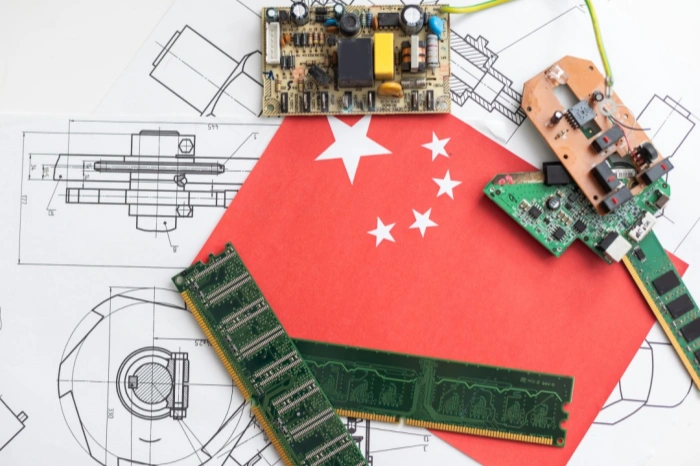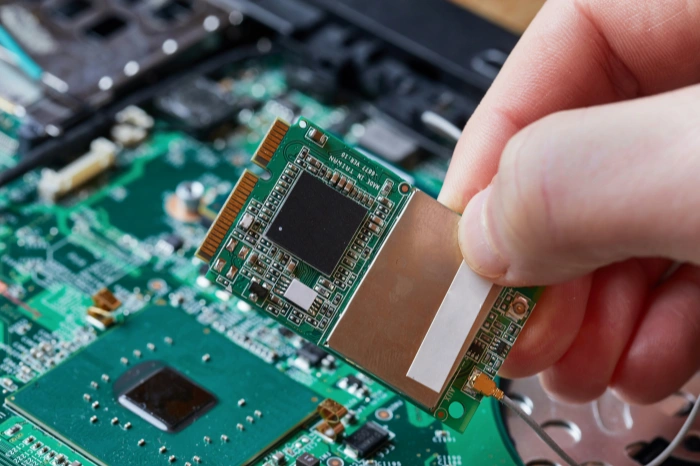

















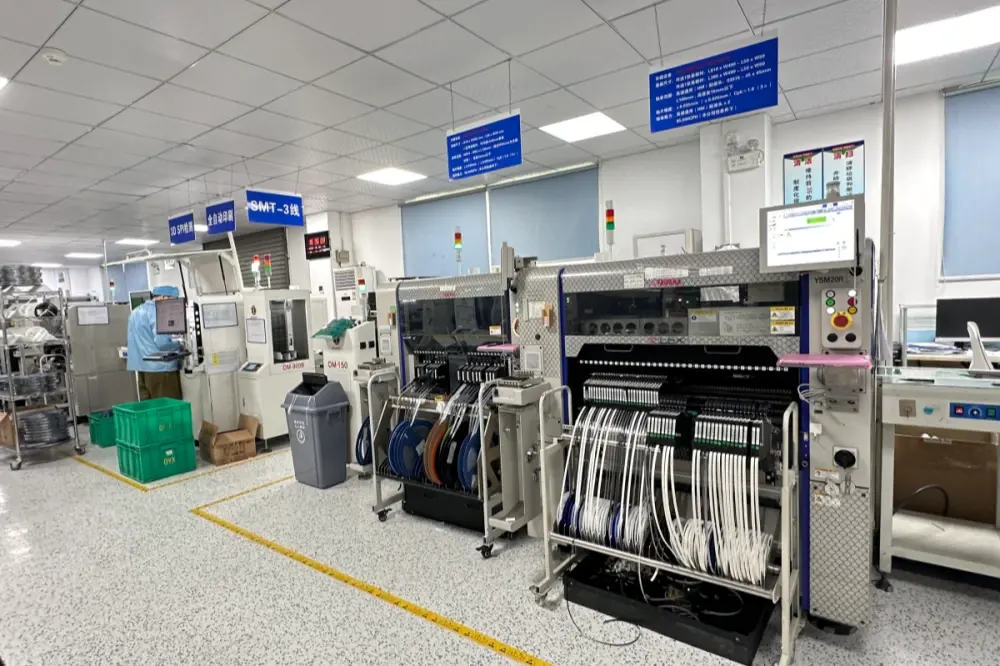
Uspjeh vašeg proizvoda ovisi o odluci koju većina kompanija podcjenjuje: odabir pravog Proizvođač PCBA. Jedan proizvodni nedostatak može izazvati skupe opozive, narušiti reputaciju vašeg brenda ili osujetiti cjelokupno lansiranje proizvoda. Ipak, prema Tržište sklapanja tiskanih pločica Prema analizi, predviđa se da će globalna industrija PCBA do 2035. godine premašiti $800 milijardi—ogroman tržište na kojem se kvalitet drastično razlikuje.
Ulog ne bi mogao biti veći. Ne birate samo dobavljača; birate partnera koji će upravljati vašom intelektualnom svojinom, odrediti pouzdanost vašeg proizvoda i direktno utjecati na vrijeme izlaska na tržište. Pogrešan izbor košta daleko više od novca.—troši inženjerske resurse, odgađa lansiranja i narušava povjerenje kupaca.
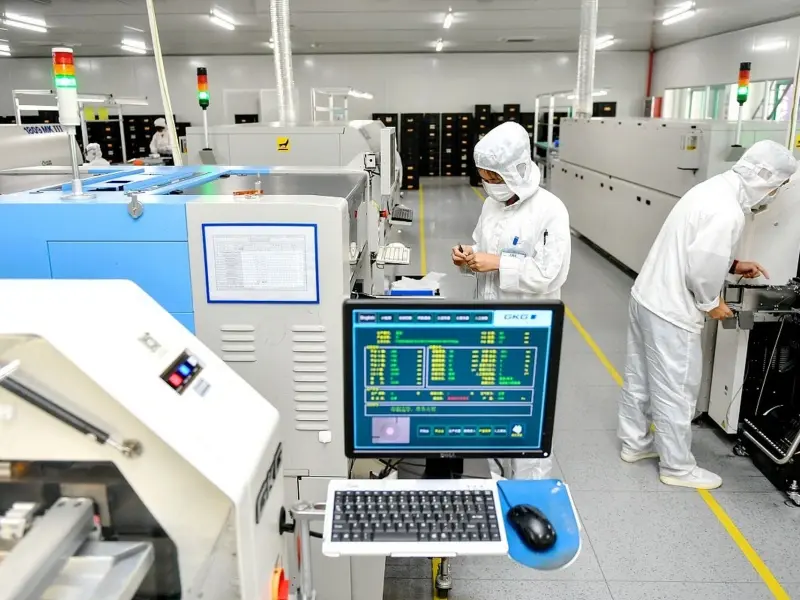
Pametni proizvođači ocjenjuju partnere po više dimenzija: tehničke sposobnosti, certifikate o kvalitetu, procesi kontrole proizvodnje, stabilnost lanca snabdijevanja i brzinu odgovora u komunikaciji. Međutim, ovi faktori međusobno djeluju na složene načine. Proizvođač s impresivnim certifikatima, ali lošim upravljanjem projektima, i dalje će postići razočaravajuće rezultate.
Prije nego što se upustite u specifikacije i obilaske objekata, trebate sistematski okvir koji razdvaja marketinške tvrdnje od operativne stvarnosti – počevši od razumijevanja tačno kojih preduvjeta trebate ispuniti.
Preduvjeti: Šta trebate znati prije početka
Prije nego što procijenite bilo šta pouzdan proizvođač PCBA, Razjasnite osnove vašeg projekta. Razumijevanje ovih osnovnih zahtjeva sprječava besmislene razgovore i pomaže vam da prepoznate partnere koji zaista mogu isporučiti.
Definirajte svoje tehničke specifikacije
Dokumentujte složenost vašeg PCB-a: broj slojeva, dimenzije ploče, gustoću komponenti i posebne karakteristike poput dizajni fleksibilnih kola ili visokofrekventni materijali. The globalno tržište PCBA, procijenjen na više od $470 milijardi, obuhvata sve, od jednostavnih jednostrukih ploča do složenih medicinskih uređaja—proizvođači su različito specijalizirani.
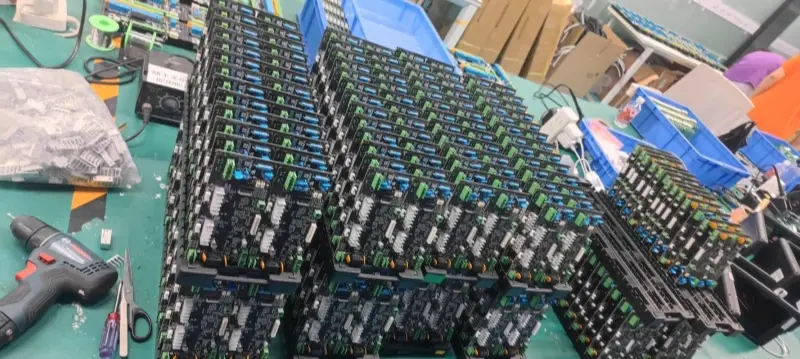
Odredite svoj obim i vremenski okvir
Serije prototipova ispod 100 komada zahtijevaju drugačije mogućnosti nego proizvodnja u serijama od 10.000+ komada. Slično tome, dvosedmični rok isporuke zahtijeva drugačiju logistiku nego dvanaestosedmični raspored. Mnogi proizvođači izvrsnost u prototipiranju ili masovnoj proizvodnji, rijetko oba.
Budžetirajte realno
Znajte ciljeve troškova po jedinici i ukupni gornji limit budžeta. Međutim, najjeftinija opcija obično daje problematične rezultate. Praktičan pristup: planirajte budžet 15–20% iznad apsolutnog minimuma kako biste pristupili proizvođačima s dokazanim sistemima kvaliteta.
Kada su ovi preduvjeti jasni, spremni ste za procjenu specifičnih pokazatelja kvaliteta.
Korak 1: Procijenite certifikate o kvalitetu i standarde
Certifikati kvaliteta razlikuju profesionalne operacije od nepouzdanih sastavljača. Vjerodostojan Proizvođač sklopova tiskanih pločica posjeduje barem ISO 9001 certifikat—ovo pokazuje sistematsko upravljanje kvalitetom kroz sve procese. Prema Proizvodnja PCB-ova | Strategije za odabir, certificirani proizvođači slijede dokumentirane procedure koje smanjuju stopu grešaka za do 40% u odnosu na necertificirane pogone.
Osim ISO 9001, potražite IPC certifikate specifične za proizvodnju elektronike. IPC-A-610 verifikuje standarde prihvatljivosti sklapanja, dok IPC-J-STD-001 Potvrđuje stručnost u lemljenju. Ovo nisu opcionalni dodaci – to je dokaz da vaš proizvođač razumije specifične zahtjeve kvalitete u industriji.
Evo realne provjere: certifikati ne znače ništa bez verifikacije. Zatražite kopije certifikata i provjerite datume isteka. A Višeslojna tiskanica Projekt posebno zahtijeva rigoroznu reviziju certifikacije, jer složeni sklopovi pojačavaju sve propuste u kontroli kvaliteta.
Znakovi upozorenja koje vrijedi uzeti u obzir: proizvođači koji tvrde da imaju certifikate, ali ne mogu brzo dostaviti dokumentaciju, istekli certifikati koje nisu obnovili, ili pogoni koji imaju certifikate samo za matične kompanije, a ne za stvarni proizvodni pogon koji ćete koristiti.
Razumijevanje standarda ISO 9001 i IPC
ISO 9001 certifikacija potvrđuje da proizvođač održava dosljedne sisteme upravljanja kvalitetom. Ovaj standard zahtijeva dokumentirane procedure, redovne revizije i procese kontinuiranog poboljšanja. Certificirani pogon pokazuje posvećenost kvalitetu izvan marketinških tvrdnji—dokazuje sistematsku kontrolu kvaliteta.

IPC standardi definiraju prilagođena montaža tiskanih pločica referentne vrijednosti kvaliteta. IPC-A-610 utvrđuje kriterije prihvatljivosti za elektroničke sklopove, klasificirajući proizvode u tri klase na osnovu zahtjeva primjene. Klasa 1 obuhvata opću elektroniku, Klasa 2 se odnosi na namjensku servisnu opremu, a Klasa 3 se primjenjuje na proizvode visoke pouzdanosti kod kojih je kontinuirani rad kritičan.
Potražite proizvođače koji prikazuju više relevantnih certifikata. Postrojenje koje posjeduje i ISO 9001 i Usklađenost sa IPC-600 ukazuje na dvostruku posvećenost. na kontrolu procesa i kvalitetu proizvoda. Međutim, same certifikacije ne jamče performanse—provjerite jesu li važeće i zatražite izvještaje o reviziji.
Razumijevanje ovih standarda pomaže vam da procijenite proizvodne mogućnosti objektivno, a ne samo na obećanja.
Korak 2: Procijeniti proizvodne sposobnosti
Jedan proizvođač tiskanih pločica Sa ograničenim mogućnostima prisiljeni ste kompromitovati svoj dizajn ili nabavljati komponente od više dobavljača. Prije nego što se obavežete na saradnju s dobavljačem, provjerite da li njihove tehničke specifikacije odgovaraju vašim trenutnim i budućim zahtjevima projekta.
Kompleksnost ploče i broj slojeva
Najpouzdaniji proizvođači obrađuju standardne pločice od 2 do 4 sloja, ali složeni dizajni zahtijevaju napredne mogućnosti. Provjerite njihov maksimalni broj slojeva—obično se kreće od jednostrukog do 32+ sloja za primjene visoke gustoće. Prema Istraživanje tržišta za montažu tiskanih pločica, potražnja za višeslojnim tiskanim pločicama nastavlja rasti kako elektronika postaje sve sofisticiranija.
Zatražite njihove specifikacije minimalne širine traga i razmaka. Standardne mogućnosti počinju od 6 mil/6 mil, dok napredni proizvođači postižu tolerancije od 3 mil/3 mil ili još manje. Vaši HDI (High-Density Interconnect) dizajni zahtijevaju proizvođače s mogućnostima za slijepe i ukopane via.
Opcije materijala i završne obrade površine
Fleksibilnost materijala određuje vaše dizajnerske mogućnosti. Iza standarda FR-4, provjeriti podršku za specijalizirani supstrati poput aluminija za upravljanje toplinom ili Rogers materijali za visokofrekventne primjene. Opcije završne obrade površine trebaju uključivati HASL, ENIG, uranjanje u srebro i OSP, ovisno o vašim zahtjevima za sklapanje. Mogućnosti postavljanja komponenti su jednako važne. Prema strategije odabira industrije, Proizvođači bi trebali jasno navesti minimalnu veličinu komponenti, mogućnosti razmaka (pitch), te da li obrađuju BGA, QFN ili druge napredne pakete koje vaš dizajn zahtijeva.

Vrste proizvodnih sposobnosti koje treba uzeti u obzir
Proizvodne mogućnosti direktno određuju može li proizvođač PCBA ispuniti zahtjeve vašeg projekta bez kompromisa. kontrola kvaliteta standardi. Tehnologija površinskog montažiranja (SMT) i sklop kroz-rupu predstavljaju osnovne zahtjeve, ali specijalizirane sposobnosti često razlikuju adekvatne proizvođače od izvanrednih.
Proizvodnja višeslojnih ploča Postaje kritično za složene dizajne koji prelaze četiri sloja. Prema Globalni tržišni uvidi, HDI ploče (ploče s visokom gustoćom međusobnih spojeva) predstavljaju jedan od najbrže rastućih segmenata u proizvodnji tiskanih pločica, posebno za kompaktne elektroničke uređaje. Provjerite da kapacitet proizvođača za broj slojeva odgovara vašim maksimalnim zahtjevima.
Postavljanje komponenti sitnog koraka Sposobnost ukazuje na naprednu preciznost sklapanja. Komponente s razmakom pinova manjim od 0,5 mm zahtijevaju specijaliziranu opremu i stručnost operatera. Proizvođač kojem nedostaje ova sposobnost prisiljen je na kompromise u dizajnu koji povećavaju veličinu ploče i troškove proizvodnje drugdje.
Infrastruktura za testiranje i inspekciju otkriva posvećenost dosljednom izlazu. Testiranje u krugu (ICT), automatizirana optička inspekcija (AOI) i rendgenska inspekcija identificirati nedostatke prije isporuke. Proizvođači koji nude sveobuhvatne kapaciteti za analizu neuspjeha demonstrirati sofisticirane sisteme kontrole kvaliteta koji se bave osnovnim uzrocima, a ne simptomima.
Uzmite u obzir specijalizirane potrebe poput nanošenja konformnog premaza, montaže box-build i/ili jedinstvenih profila ploča prije konačnog izbora.
Korak 3: Provjerite kvalitetu nabave komponenti
Kvalitet komponenti određuje pouzdanost vašeg gotovog proizvoda.—bez obzira na to koliko je proizvođač vješt u sklapanju. Proizvođač može koristiti krivotvorene dijelove, komponente s sivog tržišta ili zastarjeli inventar bez odgovarajuće dokumentacije. Zato je provjera njihovih praksi nabavke neophodna.
Počnite tako što ćete potvrditi da kupuju komponente od ovlaštenih distributera poput Digi-Key, Mouser i Arrow Electronics. Proizvođači koji nabavljaju komponente putem neovlaštenih kanala uvode značajan rizik, uključujući neujednačene specifikacije i kraći vijek trajanja komponenti. Prema istraživanju industrije, krivotvoreni komponente uzrokuju otprilike 30% elektroničkih kvarova u neispravnim sklopovima. Pitajte o njihovim sistem sljedivosti komponenti. Pouzdani proizvođači vode potpunu dokumentaciju koja tačno pokazuje odakle potiče svaka komponenta, uključujući kodove datuma i brojeve serija. Također bi trebali slijediti IPC standardi za rukovanje i skladištenje komponenti—posebno IPC-A-610 za kriterije prihvatljivosti.
Zatražite njihov postupak upravljanja zastarjelosti. Komponente redovno izlaze iz proizvodnje, pa proizvođači trebaju uspostavljene procedure za predlaganje alternativa koje neće ugroziti vaš dizajn. Najbolji partneri vas proaktivno upozoravaju na probleme u lancu snabdijevanja prije nego što utiču na rokove proizvodnje, umjesto da se problemi otkriju usred proizvodnje.
Korak 4: Analizirajte vrijeme obrade i fleksibilnost
Brzina proizvodnje je najvažnija kada vas kašnjenja u isporuci koštaju tržišnih prilika.—ali najbrži proizvođač nije uvijek najpouzdaniji. Uobičajeni obrazac je da proizvođači koji obećavaju neuobičajeno kratke rokove isporuke mogu skraćivati postupke kontrole kvaliteta ili pokretati proizvodne serije tokom noćnih smjena bez osoblja, povećavajući stopu grešaka.
Počnite tako što ćete zatražiti jasne rokove proizvodnje za tri scenarija: standardne narudžbe, izrade umjerene složenosti i hitne poslove. Pitajte konkretno kako postupaju u slučaju neočekivanih kašnjenja — nestašice komponenti, kvarova opreme i/ili nedostataka u kvaliteti koji zahtijevaju preradu. Proizvođači s ISO 9001 Certifikacija obično podrazumijeva vođenje dokumentovanih procedura za upravljanje poremećajima u rasporedu, što vam pruža uvid u planove za nepredviđene situacije, umjesto iznenađenja u posljednjem trenutku.
Uravnoteženje brzine i kontrola kvaliteta
Brza isporuka gubi na vrijednosti ako ploče stignu s problemima u izradi. Zatražite standardni raspored kontrolnih tačaka kvaliteta proizvođača—posebno vremenski raspored automatizirane optičke inspekcije (AOI) i protokole konačnog testiranja. Proizvođači koji skraćuju ove korake kako bi ispunili agresivne rokove često isporučuju ploče s više stope defekata, stvarajući skupe cikluse ponovnog rada koji eliminišu svaku uštedu vremena.
Najfleksibilniji proizvođači održavaju kapacitet međuspremnika posebno za hitne zahtjeve.—oni ne pomjeraju jednostavno narudžbe drugih kupaca da bi udovoljili vašoj. Ova operativna zrelost postaje ključna kada lansirate proizvode ili odgovarate na zahtjeve tržišta koji ne prate predvidljive rokove.
Upravljanje hitnim zahtjevima i rokovima isporuke
Hitne narudžbe otkrivaju stvarni operativni kapacitet proizvođača.—ne samo njihove standardne mogućnosti. Kada se suočite sa skraćenim vremenskim okvirom, trebate partnera s posvećenim resursima za ubrzanu proizvodnju, a ne onoga koji remeti cijeli svoj raspored da bi udovoljio vašoj hitnoj situaciji.
Pitajte proizvođače kako postupaju s hitnim zahtjevima prije nego što vam zatreba. Kvalitetne radionice održavaju kapacitet za rezervu posebno za hitne narudžbe, dodjeljujući određene proizvodne linije ili smjene za ubrzanje projekata. Ponudit će realne ubrzane rokove – obično 3–5 dana za jednostavne ploče umjesto standardnih 10–14 dana – i točno objasniti koje će procese ubrzati.
Čuvajte se proizvođača koji obećavaju nemoguće brze rokove isporuke. bez objašnjavanja svojih modifikacija procesa. Prema Najbolje prakse za kvalifikaciju dobavljača PCB-a, Žurno sklapanje bez odgovarajućih kontrolnih tačaka kvaliteta često uvodi greške koje oduzimaju više vremena nego što ga uštede. Pouzdan partner će vam reći kada vremenski okvir nije izvodljiv, umjesto da rizikuje kompromitovanje kvaliteta.
Unaprijed uspostavite jasna očekivanja u pogledu roka isporuke, uključujući kako oni komuniciraju kašnjenja. Najbolji proizvođači omogućavaju praćenje proizvodnje u stvarnom vremenu i proaktivno vas obavještavaju o mogućim promjenama rasporeda — što je ključna transparentnost pri koordinaciji s partnerskim distributerima ili pri lansiranju proizvoda.
Korak 5: Osigurajte jasnu komunikaciju i podršku
Kvarovi u komunikaciji uništavaju više projekata nego tehnički kvarovi.—čak i sposoban proizvođač postaje nepouzdan kada ga ne možete kontaktirati ili jasno objasniti svoje potrebe. Prema Proizvodnja PCB-a | Strategije za odabir | DesignSpark, efikasni komunikacijski kanali direktno utiču na ishode projekta i dugoročna partnerstva.
Provjerite brzinu odgovora pri prvom kontaktu. Proizvođač kojem treba tri dana da odgovori na osnovni upit vjerovatno će vas razočarati tokom ključnih faza proizvodnje. Potražite dodijeljeni voditelji projekata koji razumiju i tehničke zahtjeve i poslovne prioritete—a ne samo prodajne predstavnike koji vas prebacuju nakon potpisivanja ugovora.
Jezičke barijere su važnije nego što većina kupaca priznaje. Ako vaš proizvođač ima poteškoća s razumijevanjem složene specifikacije, Suočit ćete se s beskrajnim ciklusima revizije i problemima s kvalitetom. Zatražite uzorak dokumentacije na engleskom jeziku kako biste procijenili jasnoću prije nego što se obavežete na partnerstvo.
Najbolji proizvođači proaktivno ističu potencijalne probleme prije nego što postanu problemi.—ne nakon što ploče stignu s greškama. Procijenite njihovu strukturu tehničke podrške: nude li preglede dizajna za proizvodnju? Mogu li inženjeri odgovoriti na specifična pitanja o vašim jedinstvenim zahtjevima? Ove mogućnosti podrške često se pokažu vrijednijima od najniže cijene.
Izgradnja čvrstog odnosa s vašim proizvođačem
Najbolji odnosi s proizvođačima transformiraju se iz transakcijskih u suradničke partnerstve.—gdje obje strane ulažu u obostrani uspjeh umjesto da samo ispunjavaju narudžbe. Ova promjena obično nastupa nakon tri do pet uspješnih projekata, kada ste uspostavili povjerenje i razumijevanje na obje strane.
Počnite tretirati svog proizvođača kao tehničkog partnera, a ne samo kao dobavljača. Rano podijelite plan razvoja proizvoda, otvoreno raspravljajte o nadolazećim izazovima i uključite ih u preglede dizajna kad je to prikladno. Ova transparentnost im pomaže da predvide vaše potrebe i predlože poboljšanja—posebno za složene dizajne gdje njihova stručnost u proizvodnji može spriječiti skupe redizajne.
Održavajte dosljedne ritmove komunikacije, ne samo pri naručivanju. Zakazujte tromjesečne preglede kako biste pregledali pokazatelje učinka, razgovarali o poboljšanjima procesa i riješili sve nedoumice prije nego što postanu problemi. Redovna interakcija gradi odnos i osigurava da budete na prvom mjestu kada kapacitet proizvodnje bude ograničen.
Međutim, čvrsti odnosi funkcionišu u oba smjera. Plaćajte fakture pravovremeno, dajte tačne prognoze kad god je to moguće, priznajte njihove napore kada pređu očekivanja. Proizvođači daju prednost kupcima koji poštuju njihova poslovna ograničenja i rano komuniciraju promjene—posebno za primjene visoke struje Zahtijeva specijalizirane materijale. Kako budete učvršćivali ovo partnerstvo, primijetit ćete kraće rokove isporuke, povoljnije uvjete plaćanja i proaktivno rješavanje problema koje svaki projekt čini lakšim.
Ograničenja i razmatranja
Nijedan proizvođač nije vrhunski u svemu.—čak i najpouzdaniji partneri imaju ograničenja koja utiču na prikladnost projekta. Prema Istraživanje o odabiru dobavljača PCB-a, Razumijevanje ovih ograničenja unaprijed sprječava skupe neslaganja.
Ograničenja proizvodnih kapaciteta mogu stvoriti stvarne zastoje tokom vršnih sezona. Proizvođač koji mjesečno obrađuje 500.000 jedinica mogao bi se mučiti kada vam treba 600.000—njegova pouzdanost postaje nebitna ako se ne može skalirati. Slično, specijalizirani procesi poput napredne tehnike bušenja Zahtijevaju specifična ulaganja u opremu koja manjim objektima može nedostajati.
Geografski razlozi Uvođenje skrivenih izazova. Domaći proizvođači nude bržu komunikaciju i isporuku, ali obično koštaju 30–40% više nego inozemne opcije. Međutim, međunarodna partnerstva donose dodatnu složenost: razlike u vremenskim zonama, jezičke barijere i duži rokovi isporuke mogu poništiti uštede. Ono što na papiru izgleda pouzdano pretvara se u frustrirajuća kašnjenja kad koordinacija zakaže.
Specijalizacija tehnologije je važnija od opće sposobnosti.. Proizvođač koji se ističe u proizvodnji potrošačke elektronike velikih obima možda nema iskustva sa strogim zrakoplovnim ili medicinskim certifikatima. Njihova pouzdanost u svojoj niši ne prenosi se automatski na jedinstvene zahtjeve vaše industrije — razumijevanje tih granica pomaže vam odabrati najprikladnijeg partnera, a ne onoga s najimpresivnijim portfolijem.
Primjeri scenarija: Odabir pravog proizvođača za različite potrebe
Različite vrste projekata zahtijevaju različite snage proizvođača.—ono što funkcioniše za prototip startupa neće nužno odgovarati potrebama kompanije za medicinske uređaje. Brend potrošačke elektronike koji lansira 50.000 pametnih kućnih uređaja treba kapacitete za velike količine i konkurentne cijene, dok dobavljač za automobilsku industriju koji razvija ECU jedinice kritične za sigurnost prioritetno traži certifikate poput IATF 16949 i rigorozne procese kontrole kvaliteta. Prema Istraživanje o odabiru dobavljača PCB-a, usklađivanje mogućnosti proizvođača sa zahtjevima projekta sprječava skupe neslaganja.
Za IoT startupe u fazi prototipa fleksibilnost je najvažnija—tražite proizvođače koji nude male minimalne količine narudžbe (MOQ), brzu realizaciju i inženjersku podršku za optimizaciju dizajna. Srednje velike kompanije koje se šire od stotina do hiljada jedinica trebaju proizvođače sa dokazane sposobnosti sklapanja i pouzdanost nabavke komponenti kako bi se izbjegli zastoji u proizvodnji. Velika preduzeća sa složenim regulatornim zahtjevima trebaju dati prednost proizvođačima koji posjeduju više certifikata i pokazuju duboku stručnost u usklađenosti., čak i ako su troškovi po jedinici nešto viši. Proizvođač medicinskih uređaja, na primjer, ne bi trebao praviti kompromise po pitanju ISO 13485 certifikata bez obzira na cjenovni pritisak — regulatorni rizici nadmašuju potencijalne uštede.
Ključne poruke
Vaš izbor proizvođača direktno utiče na uspjeh proizvoda.—prioritetiziranje pravih kriterija ocjenjivanja pretvara odnose s dobavljačima iz transakcijskih u strateška partnerstva. Počnite s verifikacija certifikacije i sistemi kvaliteta, zatim procijenite tehničke mogućnosti koje odgovaraju vašim zahtjevima složenosti. Uzmite u obzir brzinu odgovora u komunikaciji zajedno sa strukturom cijena, jer transparentnost sprječava skupe nesporazume tokom proizvodnje.
Usmjerite svoju procjenu na tri neprepustiva faktoradokazani sistemi upravljanja kvalitetom, tehnička stručnost za vaše specifične tipove ploča i otpornost lanca snabdijevanja za nabavku komponenti. Najjeftinija ponuda rijetko pruža najbolju dugoročnu vrijednost – obično se događa da proizvođači s nižim troškovima preskaču protokole testiranja ili koriste zamjenske komponente bez odobrenja.
Postupajte sistematskiZatražite uzorke ploča prije nego što se obavežete na narudžbe velikih količina, provjerite certifikate izravno kod izdavatelja i uspostavite jasne komunikacijske protokole od prvog razgovora. Vaša pažljivost pri odabiru sprječava kašnjenja u proizvodnji, propuste u kvaliteti i prekoračenja budžeta koja ugrožavaju rokove projekta. Odaberite partnere koji pokazuju i tehničku stručnost i suradničke pristupe rješavanju problema – ti odnosi postaju konkurentske prednosti kako se vaši proizvodi razvijaju.