

















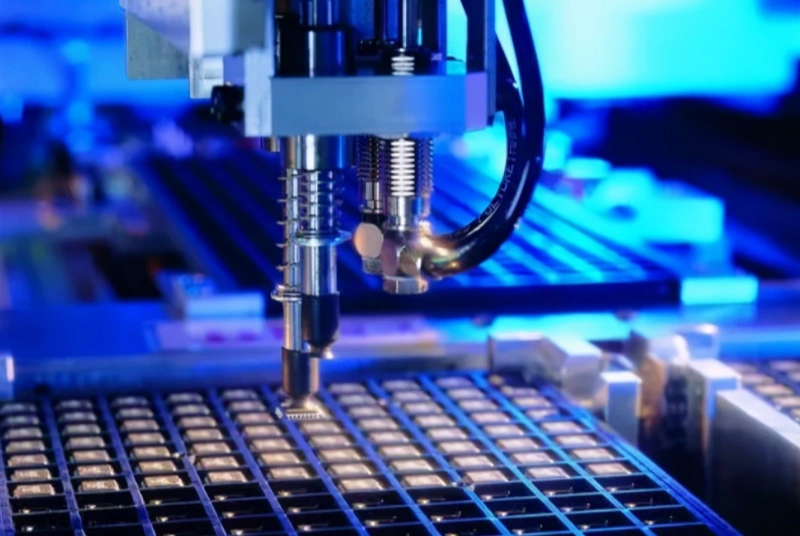
Jeste li znali da se više od 90% svih modernih elektroničkih uređaja oslanja na jedan proboj? Ova sićušna revolucija omogućava da vaš pametni telefon stane u džep, a ne zauzme cijelu sobu. Znajući da smt značenje je ključno za svakoga ko je znatiželjan o našem digitalnom svijetu.
Ova tehnologija je Okosnica savremenog proizvodstva. Omogućava inženjerima da postavljaju komponente na štampane pločice s nevjerovatnom preciznošću. Ova promjena je učinila sve, od laptopa do medicinske opreme, manjim i bržim.
Učenje o ovom konceptu pomaže vam da vidite složenost u svojim omiljenim uređajima. To je osnova modernog dizajna elektronike što nas održava povezanima i efikasnima.
Ključne poruke
- SMT znači tehnologija površinskog montažiranja, standard u modernoj montaži.
- Omogućava stvaranje manjih, bržih i pouzdanijih elektroničkih uređaja.
- Proces uključuje postavljanje komponenti direktno na površinu štampane pločice.
- Ova metoda je zamijenila starije, ručne tehnike sklapanja u masovnoj proizvodnji.
- Razumijevanje ove tehnologije je od vitalnog značaja za shvatanje načina na koji se projektuje savremeni hardver.
Definisanje SMT-a i njegove uloge u savremenoj elektronici
Jeste li se ikada zapitali kako pametni telefoni uguraju toliko snage u tako malom prostoru? Tajna je SMT. Ova metoda je promijenila način na koji izrađujemo gedžete i uređaje. Omogućava komponentama da stoje na štampana pločica površina, čineći stvari manjim i efikasnijim.
Objašnjen osnovni smisao SMT-a
SMT znači postavljanje elektroničkih dijelova na površinu štampane pločice, a ne kroz rupe. Ti dijelovi, nazvani površinski montirani uređaji (SMD), su sitni. Ne trebaju im dugački vodovi, pa mogu stati na obje strane od štampana pločica tačno.
Ova metoda smješta više dijelova na jednu ploču. Čini proizvode manjim, lakšim i efikasnijim. Znajući o SMT je ključno za inovacije u hardveru.
Kako se SMT razlikuje od tradicionalne tehnologije s provrznim terminacijama
Prije SMT, koristili smo Through-Hole Technology (THT). THT dijelovi imaju duge vodove koji prolaze kroz rupe i lemljeni su. To je sporije i zauzima više prostora nego SMT.
Tabela u nastavku prikazuje glavne razlike između SMT i THT:
| Značajka | SMT | Prohodni otvor |
|---|---|---|
| Veličina komponente | Vrlo malo | Veliki |
| Brzina sklopovine | Visoko (automatizirano) | Niži (ručni/poluautomatski) |
| Gustoća ploče | Visoko | Nisko |
| Troškovna efikasnost | Odlično za masovnu proizvodnju | Bolje za prototipiranje |
SMT je bolje za današnje dizajne visoke gustoće. Jeftinije je i omogućava bolji rad uređaja. Većina potrošačke elektronike koristi SMT danas.
Evolucija procesa sklapanja tiskanih pločica
Da bismo razumjeli kako stvaramo moderan štampana pločica, Moramo pogledati kako su se promijenile tehnike sklapanja. U ranim danima inženjeri su svaku komponentu postavljali ručno. Ova metoda je bila spora, sklona greškama i nije mogla zadovoljiti potražnju za složenim uređajima.
Od ručne montaže do automatizirane preciznosti
U početku su tehničari ručno lemili dijelove u otvore. To je funkcioniralo za jednostavne sklopove, ali nije bilo dovoljno dobro za uređaje visokih performansi. Kako se tehnologija poboljšavala, industrija je prešla na automatizirane štampana pločica proizvodne linije za bolji učinak i preciznost.
Now, robotic machines can place thousands of components per hour. These machines work fast and don’t get tired, making sure every connection is perfect. This change to automation has let manufacturers create more advanced electronic designs.
Why SMT became the industry standard
Surface Mount Technology (SMT) became the top choice because it overcame old design limits. It mounts components directly on the štampana pločica, making devices smaller, lighter, and more efficient. This was key for the development of modern smartphones and wearable tech.
SMT is very reliable today. Its automation means fewer mistakes, leading to higher quality boards. Below is a table showing the main differences between old methods and SMT assembly.
| Značajka | Manual Assembly | Automated SMT |
|---|---|---|
| Production Speed | Very Slow | Extremely Fast |
| Veličina komponente | Large/Bulky | Miniature/Compact |
| Accuracy | Human Dependent | High Precision |
| PCB Gustoća | Nisko | Veoma visoko |
Key components of the SMT assembly process
The journey from a bare circuit board to a fully populated pcba involves several critical technical stages. By following a standardized workflow, manufacturers ensure that every device meets strict performance requirements. Understanding these steps allows designers to optimize their boards for seamless mass production.
Solder paste application and stencil printing
The process starts with applying solder paste to the pads of the printed circuit board. A stainless steel stencil is placed over the board to ensure the paste is applied only where needed. This precision is vital for preventing bridges or shorts during the later stages of the SMT workflow.
Automated component placement
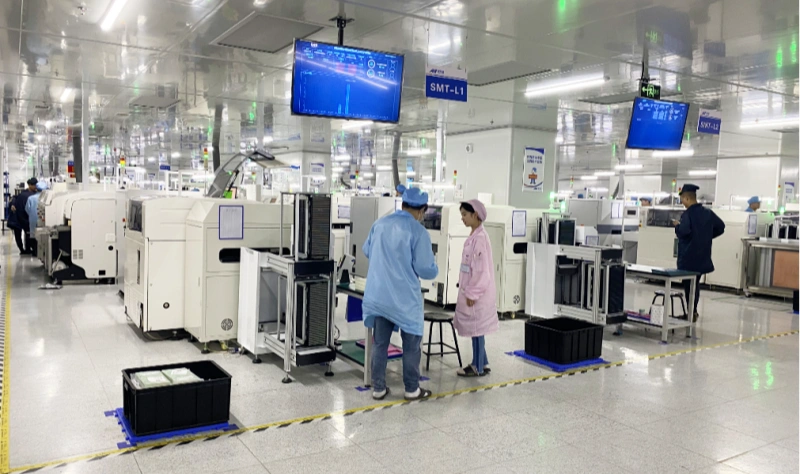
Once the paste is applied, high-speed pick-and-place machines take over the assembly. These machines use advanced vision systems to align components with extreme accuracy before placing them onto the board. This automation is the primary reason why modern pcba production can achieve such high levels of consistency and speed.
Reflow soldering techniques
After the components are placed, the board moves into a reflow oven. The oven follows a carefully controlled thermal profile to melt the solder paste and create permanent electrical connections. This carefully managed heating process ensures that the SMT components are securely bonded without damaging the sensitive board materials.
| Process Stage | Primary Goal | Key Equipment |
|---|---|---|
| Stencil Printing | Apply solder paste | Stencil Printer |
| Postavljanje komponenti | Position parts | Pick-and-Place Machine |
| Reflow Soldering | Create connections | Reflow Oven |
Benefits of choosing SMT for your projects
Modern electronics need precision, and SMT delivers. It replaces old, bulky methods with new, compact ones. This makes devices powerful and small.
Miniaturization and high component density
The main benefit of SMT is its ability to shrink devices. Components are mounted directly on the board, saving a lot of space.
This lets engineers fit more into smaller spaces. It’s why our smartphones and wearables are so slim.
Cost-effectiveness in mass production
SMT is the best choice for big production runs. It’s automated, which cuts down on labor costs and mistakes.
It also means products hit the market faster. This speed is key to staying ahead in the electronics world.
Improved electrical performance and reliability
This method also boosts your circuit’s performance. It reduces unwanted interference, making signals clearer.
This results in more reliable and consistent performance. Your product will work well, even under tough conditions.
| Značajka | SMT Advantage | Traditional Method |
|---|---|---|
| Veličina komponente | Vrlo malo | Veliki |
| Brzina sklopovine | Visoko (automatizirano) | Low (Manual) |
| Integritet signala | Odlično | Umjeren |
| Production Cost | Lower at Scale | Higher at Scale |
PHILIFAST: Your partner for high-quality SMT assembly
PHILIFAST is a top choice for businesses looking for quality assembly services. Based in China, we offer a comprehensive suite of services for your production needs. We support you from the start to the end, making sure your štampana pločica projects get the best care.
Expertise in PCB fabrication and assembly
Our team knows a lot about electronics manufacturing. We handle štampana pločica fabrication, SMT assembly, and finding components. By doing all this ourselves, we make your supply chain simpler and cut down on mistakes.
Commitment to fast turnaround times
We know how important time is in today’s fast-paced market. Our quick processes help us deliver your štampana pločica products fast. We focus on being efficient so your projects are done on time.
Quality control and testing standards
Quality is key at PHILIFAST. We use rigorozni protokoli testiranja for every štampana pločica. This includes checks for function and automated optical inspection. We make sure every board meets top standards for quality and reliability.
Need help with firmware or integrating your product? Our team is here to help. We’re proud to be your go-to for štampana pločica needs, helping you succeed in every project.
Comprehensive PCBA services beyond SMT
PHILIFAST offers more than just standard assembly. We take a complete approach to making your pcba project a success. We manage every detail to make your production smoother and less complicated.
Component sourcing and supply chain management
Finding top-quality parts is hard. Our team takes care of getting all the components you need. We work with trusted suppliers worldwide to keep your project moving.
This way, we avoid delays and keep your project on track. Having one place for all your pcba needs makes things easier for you.
Firmware programming and flashing services
Your hardware needs the right software to work well. We program and flash your boards right on the production line. This makes sure every board is ready to go when it leaves our place.
Our techs use advanced testing to check the code. This step saves you time during quality checks.
Final product assembly and integration
We do it all, from box build to final assembly. We make sure your pcba is safe and ready for users. Our team pays close attention to every detail.
Choosing our services means you have one person to talk to for your whole product. We aim to give you a device ready for the market that meets top standards.
Technical challenges in SMT and how we solve them
The SMT process has its own set of challenges. Our team works hard to solve these problems early on. This way, your circuit boards will be reliable and meet high standards.
By tackling these issues early, we help you avoid delays and performance problems. This saves you money and ensures your project runs smoothly.
Managing thermal profiles during reflow
The reflow process is key. It’s where temperature control makes or breaks solder joints. We use advanced thermal profiling to heat components just right.
This careful heating prevents thermal shock. It also makes sure solder paste melts evenly across the board.
Ensuring precise alignment for fine-pitch components
As components get smaller, the room for error gets smaller too. Our automated systems use high-resolution cameras for precise alignment. This technology lets us place delicate parts with incredible accuracy.
This is crucial for modern, dense designs. It ensures your board is made with the highest precision.
Addressing common defects in high-density boards
High-density boards often face problems like solder bridging or tombstoning. We tackle these issues by improving stencil designs and refining reflow parameters. Our SMT skills help us spot potential problems before we start making boards.
This way, we can ensure your project has a high success rate. It means fewer defects and more reliable boards for you.
| Common Defect | Primary Cause | Preventative Solution |
|---|---|---|
| Tombstoning | Uneven heating | Optimized thermal profile |
| Solder Bridging | Excessive paste | Stencil aperture control |
| Solder Voids | Trapped gases | Vacuum reflow process |
| Misalignment | Placement error | Advanced vision systems |
The importance of testing in the PCBA lifecycle
Creating a reliable product is more than just putting parts together. It needs rigorous verification at every step. We see testing as the last, crucial step in making a product. By following strict rules, we make sure every pcba works perfectly before it goes out.
In-circuit testing and functional verification
Our team uses advanced in-circuit testing (ICT) to find issues like shorts and opens. This method checks if each part on the board works as it should. It’s a highly efficient way to spot problems early.
We also do functional verification to see how the system works in real life. This step makes sure the whole system talks to each other right and meets your needs. We’re proud to say your pcba is ready to go as soon as it arrives.
Visual inspection and automated optical inspection
Even though technology is key, human eyes are still important. We use Automated Optical Inspection (AOI) to find mistakes like wrong placements or missing parts. This fast system catches things the human eye might miss.
By mixing tech with human checks, we keep the quality high. These steps help find problems before they cost a lot. Our focus on thorough testing means your product will last.
Selecting the right manufacturer for your PCB needs
Your choice of a manufacturing partner is key to your product’s quality and speed. It’s crucial to find a reliable team for your štampana pločica i pcba needs. This decision greatly affects your project’s success in the long run.
Evaluating manufacturing capabilities and capacity
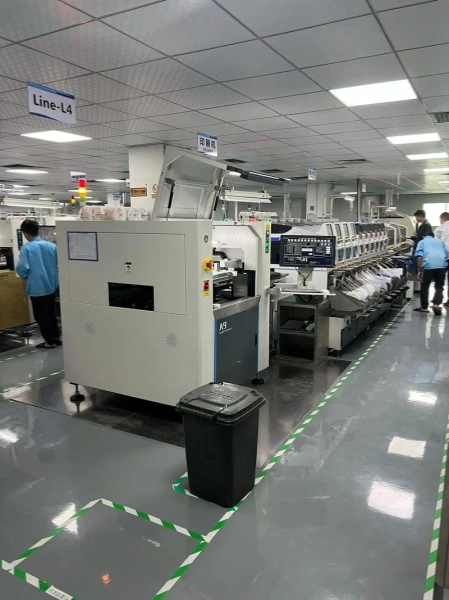
When looking at potential partners, check their technical setup. PHILIFAST, China’s top manufacturer, has the capacity for both small and large projects. They have the tools and space to meet your needs.
It’s important to see their machinery and facilities. High-quality products need a partner who can grow with you. They must also keep precision high on every štampana pločica board.
The value of transparent communication and support
Technical skills are important, but so is how a company treats its clients. We think transparent communication is key for a strong partnership. It means you always know what’s happening with your project.
Our support team works with you to meet your pcba needs. We focus on clear updates and solving problems quickly. This makes your production process smooth and efficient.
| Selection Criteria | PHILIFAST Standard | Industry Average |
|---|---|---|
| Production Speed | Fast Turnaround | Standard Lead Times |
| Kontrola kvaliteta | Rigorous Testing | Basic Inspection |
| Communication | Proactive & Transparent | Reactive Only |
| Scalability | High Capacity | Limited |
Zaključak
Modern electronics need the exactness of surface mount technology to work well in small sizes. This method is key for innovation in the United States.
Choosing the right partner is crucial for your project’s success. PHILIFAST offers the technical know-how and strict testing needed to make complex designs real. Our team works hard to keep your project on schedule.
Your next big idea needs a manufacturing process that values quality and speed. Contact our specialists today to talk about your needs. We’re excited to help you create the next high-quality electronic devices.
Često postavljana pitanja
What exactly does smt meaning refer to in the electronics industry?
SMT stands for Surface Mount Technology. It’s a modern way to make electronic circuits. Unlike old methods, SMT doesn’t use holes for components. Instead, they’re placed directly on the board.This change makes devices smaller and manufacturing faster worldwide.
How does SMT differ from traditional through-hole technology?
SMT and through-hole differ in how components are attached. Through-hole uses pins pushed through the board. SMT places components on the board’s surface.This makes SMT boards denser and allows for both sides of the board to be used. This is key for small devices like smartphones and laptops.
Why has SMT become the global standard for PCB assembly?
SMT is now standard because it’s automated and scalable. It moved from manual to robotic assembly. This makes production faster, cheaper, and better.
What are the primary steps involved in the SMT assembly process?
The process starts with applying solder paste. Then, machines place components on the board. Finally, the board goes through a reflow oven to melt the paste.This creates strong, reliable connections.
What are the main benefits of using SMT for my electronics project?
SMT makes devices smaller and lighter. It also improves electrical performance. For businesses, it’s the best choice for making lots of products reliably.
Why should I choose PHILIFAST for my SMT and PCB needs?
PHILIFAST is China’s top štampana pločica i pcba maker. We offer everything from start to finish. We focus on quality and quick service.
Does PHILIFAST offer services beyond just surface mount assembly?
Yes! PHILIFAST does more than SMT. We help with design, programming, and getting your product to market. We take care of the hard stuff so you can focus on your product.
How do you handle technical challenges like thermal management and component alignment?
Our team at PHILIFAST tackles thermal and alignment issues with advanced methods. We use precise machines for fine-pitch components. This prevents defects in dense designs.
What role does testing play in the PCBA lifecycle at PHILIFAST?
Testing is crucial for quality. We use AOI, in-circuit testing, and functional checks. This ensures every board meets your standards.
How can I ensure I am selecting the right manufacturer for my PCB project?
Look for a manufacturer with the right capacity, expertise, and communication. PHILIFAST is a reliable partner. We support you from start to finish, ensuring quality products.

