

















Sve je u onome što ga okružuje.
Izrada LED PCB-a. Zatim pronalaženje zasebne montažne firme. Potom ganjanje nekoga zbog pitanja o razvrstavanju LED dioda, toplinskih problema, čudnog treperenja pri prigušivanju svjetla ili zašto vaše ploče izgledaju malo drugačije iz serije u seriju. Zatim pakovanje. Potom promjena testa u zadnji čas. I odjednom imate pet dobavljača, dvanaest e-mail niti i jedan rok koji se ne obazire.
Pa hajde da razgovaramo o jednostavnoj verziji.
Prilagođeni LED PCB i PCBA na jednom mjestu. U terminima iz 2026. godine to u osnovi znači: jednom pošaljete Gerber datoteke i BOM, a dobijete ploče koje su sastavljene, testirane i zapakirane onako kako ih vaša proizvodna linija ili instalateri zaista trebaju.
Na tome se Philifast temelji. Sveobuhvatne usluge izrade PCB-a i PCBA za projekte LED rasvjete, uključujući izradu, montažu, testiranje i konačno pakovanje. Ako već imate datoteke, možete ih poslati danas i dobiti brzu, besplatnu ponudu.
Ali prije nego što to uradite, evo na šta biste trebali obratiti pažnju, šta “specifikacije 2026” obično znače u stvarnim projektima i koje stvari tiho čine pouzdanost LED ploče ili je narušavaju.
Zašto LED PCB projekti propadaju na dosadne načine
Većina problema s LED pločama nije dramatična. One su spore, skupe i pomalo neugodne.
- Tiskana ploča s metalnim jezgrom koja ne može prenositi toplinu onako kako ste pretpostavili.
- Malo praznina u lemovanju ispod LED dioda visoke snage i vaša stopa kvarova u terenskoj upotrebi raste.
- Promjena boje po cijelom rasvjetnom tijelu zbog labave kontrole razvrstavanja.
- Konektori koji su bili “u redu” u laboratoriju, ali se olabave nakon vibracija ili ciklusa zagrijavanja i hlađenja.
- DFM problemi otkriveni nakon što su dijelovi već naručeni.
A suštinski problem je često koordinacija. Kada su proizvodnja i montaža odvojeni, svaki dobavljač posjeduje samo dio krajnjeg rezultata. Kod LED proizvoda, ishod je istovremeno termički, optički i električni. To je međusobno povezano.
Zato je pristup “jednog mjesta” važan. Potrebno vam je jedno partnerstvo koje može istovremeno razmotriti stackup, bakar, masku za lemljenje, šablonu, reflow, testiranje i pakovanje. Ne kao odvojene poslove.
Šta bi “Prilagođeni LED PCB + PCBA na jednom mjestu” trebao sadržavati (minimum)
Kada ljudi kažu "jedno mjesto", to može značiti potpuno različite stvari. U proizvodnji LED dioda, korisna definicija je:
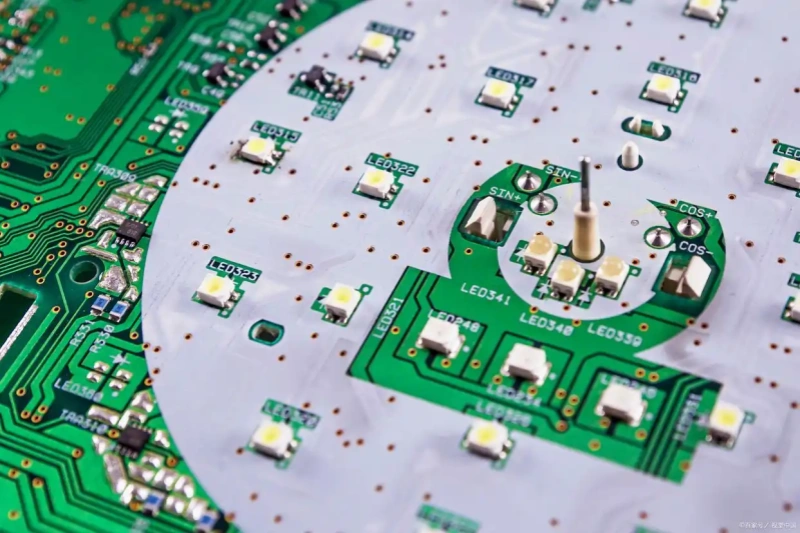
- Proizvodnja tiskanih pločica (FR4, MCPCB, ponekad hibridni slojevi)
- Nabavka komponenti (ili barem jasna podrška za povjerene dijelove)
- SMT + sklapanje kroz rupu
- Kontrola profila refluksa za LED diode
- Testiranje (električne, funkcionalne, vizualne i idealno opcije burn-in)
- Konačno pakovanje (ESD, posude, označavanje, sklapanje kompleta, zahtjevi za kartone)
- Dokumentacija i sljedivost (kode serija, zapisi o procesu, revizije)
Philifast se tačno pozicionira u tom koridoru. Jedan dobavljač, jedan vlasnik procesa, jedan raspored.
Specifikacije 2026 koje ljudi zaista traže u LED pločama
“Specifikacije 2026” zvuči kao marketing, ali su to u suštini trenutna očekivanja kupaca sada kada su LED proizvodi zreli. Evo oblasti specifikacija koje se najčešće pojavljuju.
1) Termička performansa, a ne samo “to je MCPCB”
Za sve od srednje do visoke snage, bit će vam postavljeno pitanje o toplotnom putu.
Tipični zahtjevi uključuju:
- MCPCB aluminijska podloga, s definisanom dielektričnom debljinom i toplotnom provodljivošću
- Debljina bakra opcije (uobičajeno 1 oz, 2 oz, ponekad i teže za šine sa velikom strujom)
- Dizajn termičkih vijaka na FR4 pločama (putem zahtjeva za popunjavanje ili postavljanja mostova, ovisno o rasporedu LED-a)
- Kontrola ravnosti (važno za optiku, sjedište leće i termalne interfejsne materijale)
U praksi je pravo pitanje: koju ću temperaturu spoja zabilježiti pri stvarnoj okolini i stvarnoj struji pogona nakon dva sata? I može li konstrukcija ploče to ponoviti iz serije u seriju?
2) Kvalitet montaže LED-ova: kontrola praznina, poravnanja i reflow-a
Ako koristite 2835, 3030, 3535, 5050, CSP ili visokosilne pakete, kvalitet sklopovine direktno utiče na:
- dosljednost svjetlosnog toka
- stabilnost boje tokom vremena
- toplinska otpornost
- rana neuspjeha
Dobar proces sklapanja treba imati strogu kontrolu nad:
- debljina šablone i dizajn otvora
- izbor paste za lemljenje
- profil reflow pečenja prilagođen specifičnim LED diodama
- AOI postavke koje su svjesne LED-a (ne samo opći prolaz/neprolaz)
- Rukovanje ESD-om
Ovdje pomaže kombinovani dobavljač PCB-a i PCBA, jer se šablona, padovi, maska i reflow planiraju zajedno.
3) Ponašanje prigušivanja i osnove EMI-ja
Do 2026. godine kupci podrazumijevaju da prigušivanje “samo radi”. Ali i dalje vam je potrebna ploča koja to podržava.
Zajednički zahtjevi:
- Kompatibilnost s PWM prigušivanjem (raspored koji izbjegava vidljive probleme s treperenjem)
- Podrška za analogno prigušivanje gdje je potrebno
- dobra uzemljenja i povratne vodove za smanjenje šuma
- Razmatranja o konektorima i kablovima (jer se polovina EMI problema pojavljuje izvan ploče)
Čak i ako Philifast izrađuje ploču, i dalje želite da rano ukažu na rizike rasporeda, prije nego što ga zaključate.
4) Usljedivost, kontrola revizija i dosljednost proizvodnje
Ako prodajete u komercijalno osvjetljenje, industriju, automobilsku industriju ili bilo šta regulirano, trebat će vam sljedivost.
Ne uvijek potpuna medicinska sljedivost na nivou, ali barem:
- revizija je uskladila izradu i montažu
- kodi datuma / evidencija serija
- dosljedni materijali i kontrola procesa
Proizvodnja na jednom mjestu to pojednostavljuje, jer ne usklađujete evidencije dva odvojena dobavljača kada nešto pođe po zlu.
Odabir pravog materijala PCB-a za LED diode (brzo, praktično)
Postoje tri uobičajena smjera.
FR4 LED ploče
Dobro za:
- LED indikatori, niska do srednja snaga
- kontrole u rasvjetnim tijelima (napajanja, senzori, komunikacije)
- dizajni osjetljivi na troškove
Pazite na:
- Toplinski čepovi kod LED dioda velike snage
- bakrena strategija za rasipanje toplote
Aluminijumski MCPCB
Dobro za:
- LED moduli velike snage
- COB moduli, linearne ploče visoke gustoće
- bilo šta gdje je toplota glavni limit pouzdanosti
Pazite na:
- dielektrična toplotna provodnost i debljina
- potrebe izolacije ako radite dizajne visokog napona
- mehanička ograničenja i tolerancije rupa za montažu
Hibridni pristupi
Ponekad to uradiš:
- FR4 kontrola + MCPCB LED motor
- ili višepločani sistemi povezani kablom
Ovdje je jedan dobavljač zaista koristan, jer može proizvesti obje vrste ploča i sastaviti ih u komplet.
Detalji sklopova koji su važniji nego što ljudi očekuju
Nekoliko “sitnih” odluka pri sklapanju kasnije se očituje kao stopa neuspjeha ili zahtjevi za garanciju.
Maska za lemljenje i refleksivnost
Za LED ploče, maska za lemljenje nije samo zaštita. Utječe na refleksiju i izgled.
Možda će vam trebati:
- bijela maska za lemljenje s kontrolisanom debljinom
- dosljedna boja iz serije u seriju
- čista sitoštampa ili bez sitoštampe u optičkim zonama
Konektori i završeci žica
Ako ga instalateri dotaknu, bit će zloupotrijebljeno. Malo.
Dakle, želite:
- robusni otisci konektora
- planiranje oslobađanja od naprezanja
- Krozne ankere po potrebi
- jasna oznaka polariteta koja opstaje pri rukovanju
Konformni premaz ili zaštita
Ako vaša LED ploča bude izložena vanjskim uvjetima ili vlazi, premaz postaje dio popisa materijala (BOM). Ako vam je potreban, navedite ga rano jer to mijenja:
- proces prepravke
- testne tačke
- pakovanje
Kompatibilnost pričvrsnih elemenata i mehaničkog stogovanja
Rupe za montažu. Zone zabrane za leće. Poravnanje navoja vijaka. Ovo nisu samo problemi s PCB-om. To su problemi proizvoda. Ali vaš partner za PCB trebao bi biti navikao tražiti mehaničke crteže i potvrđivati ono što je važno.
Testiranje LED PCBA: šta tražiti
Ako neko kaže “mi to testiramo”, pitajte šta to znači.
U najmanju ruku, obično želite:
- Otvoreno kratko testiranje za PCB (prethodna montaža, gdje je primjenjivo)
- Područje od interesa nakon reflow-a
- Funkcionalni test: ispravni LED kanali, potrošnja struje, osnovno ponašanje prigušivanja, polaritet
- Vizuelni pregled: LED orijentacija, čistoća leće ako je primjenjivo, kozmetički zahtjevi
Ovisno o proizvodu, možete dodati:
- uhođenje / starenje (pomaže u otkrivanju ranih neuspjeha u životu)
- termički ciklus (za surovije okruženje)
- provjere lumena i CCT-a (posebno ako prodajete “usklađene” armature)
- hipot / testovi izolacije (za ploče za više napona i u kontekstu usklađenosti sa sigurnosnim propisima)
Philifast nudi testiranje kao dio svog sveobuhvatnog radnog toka. Najbolje je reći im šta vaš proizvod treba, a ne samo “uraditi standardni test”. Jer se LED proizvodi znatno razlikuju.
Možda biste također željeli razmotriti neke uvide podijeljene u ovom blog što bi moglo pružiti dodatno razumijevanje o specifičnim zahtjevima i praksama testiranja.
Konačno pakovanje je dio kvaliteta, a ne naknadna misao.
Ovo zvuči kao logistika. Zapravo je pouzdanost.
LED ploče mrze:
- ESD
- savijene daske
- ogreban zaštitni sloj u optičkim područjima
- Pomiješane izmjene u jednom okviru (dešava se češće nego što mislite)
Dobro pakovanje može uključivati:
- ESD vrećice
- posude ili prilagođeni razdjelnici
- oznaka za kontrolu (PN, revizija, količina, serija)
- Kompletiranje hardvera ako šaljete kompletne module (vijci, termalne podloge, žice)
Philifast u svoj opseg usluga uključuje konačno pakovanje, što je korisno ako šaljete direktno ugovornom proizvođaču, mreži instalatera ili Amazon-ovom tipu ispunjavanja narudžbi gdje je označavanje važno.
Šta poslati za brzu i preciznu ponudu za LED PCB i PCBA
Ako želite ponudu koja se ne vraća s desetak pitanja, pošaljite uredan paket.
Evo praktične liste:
- Gerber datoteke (ili ODB++)
- NC datoteke za bušenje
- Zahtjevi za slojnu strukturu PCB-a
- Za MCPCB: debljina baze, debljina dielektrika, ciljana toplinska provodljivost ako je imate
- BOM sa brojevima dijelova proizvođača
- Datoteka za pick and place (težište)
- Skupštinski crteži (polaritet, posebne napomene, konektori)
- Zahtjevi za testiranje (čak i ako je osnovno)
- Količina (prototip i očekivana proizvodnja)
- Bilo kakve bilješke o kritičnoj kvaliteti
- Ujednačenost boje, kozmetičke zone, nema otisaka prstiju na određenim područjima itd.
Pošaljite to jednom, i vaš dobavljač obično može odgovoriti brzo i tačno. Ovo je upravo radni tok kojem Philifast teži sa obećanjem “pošaljite datoteke danas za brzu, besplatnu ponudu”.
Realističan proces na jednom mjestu (kako bi trebalo da se osjeća)
Ovo je kako izgleda dobar tok projekta, ne savršen, ali blizu.
- Pošaljete datoteke.
- Oni rade DFM pregled i vrati se s nekoliko pitanja koja imaju smisla.
- Potvrđujete materijale, završnu obradu, boju maske i sve posebne napomene o LED sklopu.
- Oni grade prototipove.
- Testirate, možda revidirate.
- Zaključavaju specifikaciju izrade za proizvodnju.
- Oni pokreću serije, testiraju, pakuju i šalju na vrijeme.
Ako stalno objašnjavate osnovne probleme pri montaži LED dioda svom dobavljaču, odabrali ste pogrešnog dobavljača. Želite nekoga ko je već vidio čudne načine kvara.
Kada Philifast ima najviše smisla
Postoji nekoliko situacija u kojima jednoprocesno rješenje PCB + PCBA nije samo praktično, već razlika između stabilne proizvodnje i kaosa.
- Pokrećete novi LED proizvod i trebate brzo prototipove, zatim male serije, a potom skaliranje.
- Imate postojeći dizajn, ali neujednačen kvalitet i želite strožu kontrolu procesa.
- Gradite više vrsta ploča (LED motor + kontrola) i želite sklapanje i dosljedno označavanje.
- Umorni ste od prodavača koji međusobno prebacuju krivicu.
Philifast je pozicioniran kao pouzdan partner za LED PCB upravo za ove potrebe LED rasvjetnih projekata: proizvodnju, montažu, testiranje i konačno pakovanje.
Pošaljite svoje datoteke i dobijte brzu besplatnu ponudu.
Ako već imate svoj dizajn spreman, uradite jednostavnu stvar.
Pošaljite Philifastu svoje Gerbers, BOM, i datoteke za pick and place, i zatražite ponudu za prilagođene LED PCB + PCBA na jednom mjestu. Dobit ćete brzu, besplatnu ponudu i možete se uskladiti oko specifikacija izrade prije nego što novac bude potrošen na pogrešne materijale ili neuredan proces sklapanja.
Pouzdane LED ploče nisu magija. One su samo rezultat pravih materijala, pravog procesa i jednog tima koji preuzima odgovornost za ishod od početka do kraja.
Ako je to ono što želite za svoj sljedeći projekt LED rasvjete, Philifast je pouzdano mjesto za početak.
Često postavljana pitanja
Koji su uobičajeni izazovi pri prelasku LED rasvjetnog proizvoda iz prototipa u proizvodnju?
Glavni izazovi uključuju koordinaciju više dobavljača za izradu PCB-a, sklapanje, binovanje LED dioda, upravljanje toplinom, probleme s prigušivanjem svjetla i pakovanje. To često dovodi do složene komunikacije s nekoliko dobavljača i kratkih rokova.
Zašto je korisno imati jednog dobavljača za prilagođene LED PCB i PCBA?
Jedan dobavljač upravlja izradom, sklapanjem, ispitivanjem i pakiranjem, osiguravajući bolju koordinaciju. Ovaj ujedinjeni pristup istovremeno obuhvata termičke, optičke i električne aspekte, smanjujući rizike poput stvaranja mjehurića zraka pri lemljenju, promjena boje i kvarova konektora.
Koje usluge bi trebao nuditi pružatelj usluga "sve na jednom mjestu" za prilagođene LED PCB i PCBA?
Trebali bi pružati izradu tiskanih pločica (FR4, MCPCB), podršku pri nabavci komponenti, SMT i kroz-rupu montažu, kontrolu profila taljenja prilagođenu LED diodama, sveobuhvatno testiranje (električno, funkcionalno, vizuelno), konačno pakovanje s ESD zaštitom i označavanje, kao i dokumentaciju i sljedivost uključujući brojeve serija i zapise o procesu.
Koje ključne ‘specifikacije za 2026.’ kupci očekuju za LED ploče?
Kupci očekuju detaljne specifikacije termičkih performansi, kao što su MCPCB aluminijska podloga s definisanom debljinom dielektrika i opcijama debljine bakra; visokokvalitetno LED sklapanje s kontroliranim odsustvom praznina u lemljenju i preciznim poravnanjem; pouzdano prigušivanje svjetla koje podržava PWM i analogno prigušivanje uz obzir na EMI; te temeljitu sljedivost i kontrolu revizija koje osiguravaju dosljedan kvalitet proizvodnje.
Kako termomanagement utiče na dizajn LED PCB-a?
Termalno upravljanje je ključno za LED diode srednje do visoke snage. Ono uključuje odabir odgovarajućih MCPCB materijala sa specificiranom debljinom dielektrika i toplinskom provodljivošću, odabir odgovarajuće debljine bakra (1 oz ili više), ispravno projektiranje toplinskih via na FR4 pločama i kontrolu ravnosti ploče kako bi se osigurala konstantna temperatura spojnice pod stvarnim radnim uvjetima.
Koji faktori utiču na kvalitet montaže LED dioda na PCB-ovima?
Kvalitet sklapanja ovisi o debljini šablone i dizajnu otvora, odabiru paste za lemljenje, reflow profilu prilagođenom specifično za tip LED paketa (npr. 2835, 5050), AOI postavkama koje otkrivaju defekte specifične za LED diode umjesto općih grešaka, te strogim ESD procedurama rukovanja kako bi se održala dosljednost svjetlosnog toka, stabilnost boje tijekom vremena, smanjili rani kvarovi i osigurala optimalna toplinska otpornost.

