

















Šta je medicinski PCB
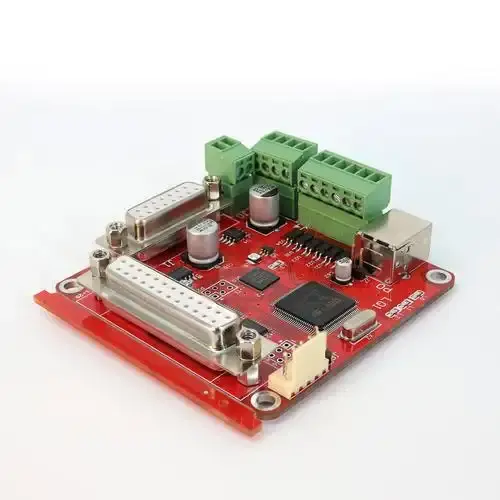
Medicinski PCB je štampana pločica koja se koristi u medicinskim uređajima. Danas živimo u vremenu s najboljim medicinskim alatima ikada. Ljudi se oporavljaju od bolesti koje su ih nekada ubijale. Pacijenti se oporavljaju od napada na svoja tijela ili od otkazivanja organa. Ljekari su heroji u stvarnom životu i zaslužuju pohvalu. Naši neimenovani heroji PCB-a također zaslužuju pohvalu. Dizajneri i proizvođači medicinske elektronike svakodnevno nose težak zadatak. Oni osiguravaju da medicinski uređaji rade. Oni spašavaju živote.
Primjene medicinskih tiskanih pločica
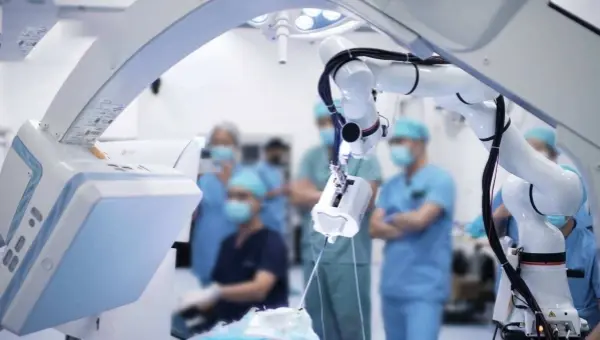
Medicinska njega obuhvata mnogo toga. Obuhvata male nosive uređaje koji pomažu zdravlju. Također obuhvata velike sisteme za snimanje cijelog tijela koji pregledavaju organe. Njega pacijenata, istraživanje i obuka medicinskog osoblja su dio svijeta medicinskih PCB-ova. Sada vidimo mnoge vrste PCB-ova, od kardiovaskularnih ploča do ploča za sisteme za snimanje. Ovi PCB-ovi se koriste u pejsmejkerima, defibrilatorima i monitorima za praćenje srca. Također se koriste u uređajima za MRI, CT i ultrazvuk. PCB-ove također možete pronaći u monitorima za temperaturu, mjeračima glukoze u krvi i elektronskim stimulatorima mišića.
Ključne karakteristike medicinskih PCB-ova
1) Sigurnost i pouzdanost
Sigurnost i pouzdanost su osnovne potrebe za medicinske PCB-ove. Proizvodi za održavanje života i neki vrhunski proizvodi prate standarde nivoa IPC-3. Proizvodi koji ne podržavaju održavanje života ili srednjeg i niskog ranga prate IPC-2. Veliki medicinski terminali često kreiraju vlastite kompanijske standarde. Ti standardi kontrolišu pouzdanost proizvoda. Ova tačka je veoma važna.
2) Dug vijek trajanja
Većina medicinskih proizvoda ima garanciju od pet godina ili više. Veliki medicinski uređaji često zahtijevaju najmanje deset godina. Ovi proizvodi moraju dugo raditi. Ova potreba mijenja dizajn i proces u odnosu na obične PCB-ove.
3) Širok raspon nivoa
Medicinski proizvodi obuhvataju potrošačke medicinske artikle do srednje do visokorazrednih proizvoda visoke pouzdanosti i stabilnosti. Također uključuju vrlo male, visoko integrirane prijenosne uređaje i pametne nosive medicinske uređaje s brojnim funkcijama. Dizajn i proizvodnja moraju odgovarati ovom rasponu.
4) Konzervativno usvajanje proizvoda
Nova medicinska tehnologija i novi proizvodi polako dolaze na tržište. Testovi validacije za nove proizvode se ponavljaju. Potpune evaluacije su često potrebne prije prihvatanja novog proizvoda.
5) Usljedivost
Medicinski proizvodi zahtijevaju strogu evidenciju procesa i sljedivost. Neki veliki medicinski terminali zahtijevaju sljedivost evidencije obrade tiskanih pločica (PCB) do deset godina.
6) Različite potrebe u pogledu procesa i otpornosti na vatru
Koraci procesa i razredi zapaljivosti za medicinske PCB-ove mogu se razlikovati od onih za obične PCB-ove. Na primjer, metode za HASL Čišćenje možda neće biti isto kao kod običnih ploča. Kada je potrebna popravka, potrebna je pažljiva kontrola procesa kako bi se očuvali kvalitet i sigurnost.
7) Mali obim, velika potražnja procesa
Medicinski PCB-ovi obično imaju male količine narudžbi. Za njih je potrebno mnogo posebnih procesa, poput naknadnog bušenja, višestrukih laminacija, mješovite laminacije, visoke preciznosti, posebne kontrole impedanse, debelog bakra, obilnog zlata i ugrađenih bakrenih blokova. Cijena nije glavna briga kod mnogih medicinskih PCB-ova. Fokus je na kvalitetu i sposobnosti procesa. To ih čini drugačijima od običnih PCB-ova.
Među svim materijalima za medicinske PCB-ove, FR4 je najčešći. Za dizajn medicinskih PCB-ova, izbor FR4 klase ovisi o poziciji proizvoda i kontroli troškova materijala. Velike bolničke grupe moraju birati proizvođače koji mogu dokazati pouzdanost medicinskih PCB-ova.
Na šta obratiti pažnju kod PCB-a medicinske klase
Kada birate materijale i specifikacije PCB-a za svoj medicinski uređaj, suočavate se s mnogim izborima. Odabir pravih specifikacija PCB-a osigurava najbolje performanse uređaja. U nastavku su navedeni glavni tipovi PCB-a koji se koriste u medicinskim uređajima i razlozi zašto su dobar izbor.
Fleksibilna štampana pločica
Fleksibilne tiskane pločice Često su prvi izbor u mnogim medicinskim uređajima. Medicinski uređaji se često postavljaju na mjesta gdje se moraju savijati ili fleksirati. Istezanje i savijanje fleksibilne tiskane pločice čine je pogodnom. Koristite fleksibilne tiskane pločice kada se vaš uređaj savija ili omotava.
Fleksibilna aluminijska štampana pločica
Fleksibilne tiskane pločice pogodne su za mnoge medicinske elektroničke uređaje. Međutim, neki uređaji velike snage zahtijevaju čvršće ploče. Fleksibilne aluminijske tiskane pločice dobre su za primjene velike snage jer dobro odvode toplinu. Glavne primjene uključuju skeniranje i kirurško osvjetljenje.
PCB mikrokolo
Također možete razmotriti fleksibilne PCB mikrokružne sklopove. Kao i fleksibilne PCB ploče, oni se savijaju. Ali omogućavaju vam upotrebu manjih ploča s višim performansama. Zbog svog dizajna, mikrokružni PCB-ovi često se ugrađuju u male medicinske uređaje poput industrijskih senzora, nosivih uređaja i slušnih aparata.
Poliamidni materijal za štampane pločice
Kada birate podlogu za ploču, poliimid je često dobar izbor. Poliimidne ploče imaju visoku čvrstoću na istezanje i dobru fleksibilnost. Ovi materijali su vrlo izdržljivi. Vrlo dobro podnose toplinu. Otporni su na hemikalije. Pogodni su za proteze i implantabilne uređaje.
Keramička štampana pločica
Keramičke tiskane pločice su odličan izbor za uređaje kojima je potrebna niska toplinska ekspanzija i visoka toplinska provodnost. Ove ploče mogu raditi na vrlo visokim temperaturama. Pružaju izvrsne visokofrekventne performanse. Omogućavaju guste tragove i dobro otporuju hemijsku koroziju.
Tvrdo-fleksibilna štampana ploča
Rigidno-fleksibilne ploče Kombinirajte prednosti fleksibilnih kola s čvrstoćom krutih ploča. Fleksibilni slojevi nalaze se između krutih slojeva koji drže provodnike. Imaju pozlaćene vias za povezivanje slojeva. Ove ploče su izdržljivije od ploča koje su isključivo fleksibilne. Lagane su i tanke poput krutih ploča. Omogućavaju veću slobodu dizajna. Vidite ih u potrošačkoj elektronici, rasvjeti, ugovornoj proizvodnji i instrumentima.
Zahtjevi za sljedivost za tiskane pločice medicinskih uređaja
Proizvođači često koriste revizije procesa koje provode vanjski procjenitelji ili sama kompanija kako bi potvrdili da ispunjavaju pravila i smjernice industrije. Dobra evidencija koja ispunjava pravila o medicinskoj sljedivosti ključna je za precjenu. U visoko reguliranom području vaš ugovorni proizvođač (CM) mora biti pouzdan partner koji će vam pomoći da zadovoljite ovu ključnu potrebu upravljanja kvalitetom.
Šta je sljedivost i zašto je važna
Mogućnost praćenja vaših koraka je vrlo korisna. Omogućava vam da pregledate prethodne prakse s poznavanjem ishoda. Ova retrospektiva pomaže samo ako zapisi sadrže podatke ili informacije koje identificiraju radnje ili oblasti za poboljšanje. Za izradu štampanih pločica i elektroničkih proizvoda, sljedivost se može definirati ovako:
Definicija: Pratljivost u razvoju PCBA označava sposobnost praćenja i evidentiranja sirovina i komponenti korištenih tijekom cijelog proizvodnog procesa pomoću specifičnih podataka (na primjer, serijskog broja proizvoda). Također obuhvata opremu i procese koji se koriste, uključujući tehnike inspekcije i verifikacije.
Kada razmišljate o tome zašto je sljedivost važna za medicinsku PCBA i elektroniku, izdvajaju se tri glavna atributa.
1) Upravljanje kvalitetom
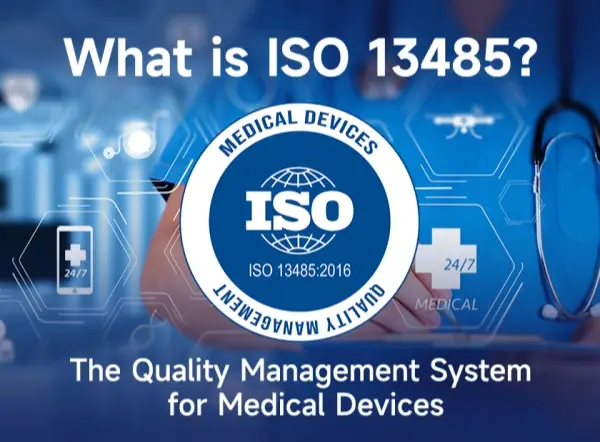
Za medicinske OEM proizvođače i dobavljače, ISO 13485 Postavlja široko prihvaćene zahtjeve za gotovo sve strane u životnom ciklusu medicinskih uređaja. Kompanije koje isporučuju alate i dijelove korisnicima medicinskih uređaja moraju se pridržavati ovog standarda, uključujući njegovu dokumentaciju i pravila o sljedivosti. OEM-ovi mogu zatražiti da se i ostale karike u lancu opskrbe također pridržavaju ovog standarda.
2) Agilnost procesa
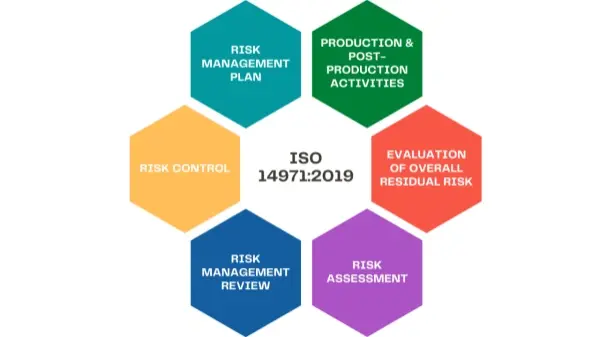
Potrebe za sljedivost u razvoju tiskanih pločica za medicinske uređaje omogućavaju proizvođačima da izrade i provode dobre planove upravljanja rizicima. ISO 14971 je također priznat međunarodni standard. On pruža potpuni okvir za upravljanje rizicima. Uključuje alate poput preliminarne analize opasnosti (PHA), studije opasnosti i operabilnosti (HAZOP) i analize načina otkaza i njihovih posljedica (FMEA). Korištenje jedne od ovih metoda ključno je za održavanje agilnosti procesa. S agilnošću procesa možete brzo vršiti promjene i povećati ukupnu pouzdanost razvoja proizvoda.
3) Pravna zaštita
Poštivanje pravila o sljedivosti medicinskih PCB-ova također pruža pravnu zaštitu ako dođe do incidenta. Incident može uzrokovati štetu pacijentu ili drugu veliku štetu. U tom slučaju sposobnost pokazati da ste slijedili standarde je vrlo vrijedna.
Kako osigurati ispunjavanje zahtjeva za sljedivost medicinskih štampanih pločica
Postoje mnoge prednosti praćenja razvoja PCBA kroz lanac snabdijevanja. Da bi se to dobro obavilo, sve strane moraju uspostaviti pravila kako bi osigurale prikupljanje i dostupnost dokumenata.
Koraci za ispunjavanje potreba za sljedivošću
Slijedite odgovarajuće industrijske standarde. Koristite standarde za medicinsku elektroniku i uređaje koji se primjenjuju na vaš proizvod.
Napravite sporazum o sljedivosti poput AABUS-a između korisnika i dobavljača. Ovaj sporazum navodi potrebe za sljedivošću i kako će ih dobavljači ispuniti.
Radite samo sa certificiranim ugovornim proizvođačima koji posjeduju važne certifikate za medicinske uređaje.
Vodite jasne zapise o procesu. Pratite materijale, serije i rezultate inspekcije. Povežite ove zapise s serijskim brojevima proizvoda ili brojevima serije.
Čuvajte dugoročne zapise za proizvode kojima su potrebni. Neki uređaji zahtijevaju deset godina sljedivosti procesa.
Koristite provjerene alate za upravljanje rizikom kao što su PHA, HAZOP i FMEA. Povežite ove rezultate s evidencijama o sljedivosti.
Osigurajte da vaš CM može pomoći pri regulatornim revizijama. Moraju brzo i jasno prikazati evidencije.
Sažetak tehničkih zahtjeva za medicinske PCB-ove
Medicinski PCB-ovi zahtijevaju visoku kvalitetu i u dizajnu i u procesu. Također zahtijevaju jasnu dokumentaciju i testiranje. Glavne razlike u odnosu na opće PCB-ove su:
Veće potrebe za sigurnošću i pouzdanošću.
Duži vijek trajanja.
Opseg od jednostavnih potrošačkih medicinskih proizvoda do složenih sistema visoke pouzdanosti.
Usporena usvojenost nove tehnologije.
Izražena sljedivost i dugo čuvanje zapisa.
Posebni procesi poput naknadnog bušenja, višestruke laminacije, mješovite laminacije, uske impedanse, debelog bakra, debelog zlata i ugrađenog bakra su uobičajeni.
FR4 je uobičajen, ali drugi materijali poput poliamida, keramike i rigid-flexa su važni za posebne potrebe.
Philifast — kako pomažemo proizvođačima medicinskih uređaja
Philifast proizvodi i sklapa medicinske PCB-ove i PCBAs. Znamo šta je potrebno medicinskom polju. Radimo u skladu sa strogim pravilima o sigurnosti, pouzdanosti i sljedivosti. Ispod su ključne tačke o Philifastu koje odgovaraju gore navedenim potrebama.
Naš kvalitet i certifikacija
Philifast se pridržava međunarodnih standarda kvaliteta i sigurnosti. Imamo UL certifikat i usklađeni smo sa RoHS direktivom. Također se pridržavamo ISO i drugih međunarodnih standarda.
Čuvamo potpunu dokumentaciju procesa koja pomaže u sljedivosti. Možemo čuvati desetogodišnju dokumentaciju ako je vaš projekt treba.
Radimo s kupcima kako bismo zadovoljili potrebe upravljanja kvalitetom prema ISO 13485. Također pomažemo u primjeni alata za upravljanje rizikom, poput metoda iz ISO 14971.
Naša sposobnost procesa
Možemo izvesti bušenje od stražnje strane, višestruke laminacije i mješovite laminacije.
Možemo zadovoljiti potrebe za visokom preciznošću i strogu kontrolu impedanse.
Možemo izraditi ploče s debelim slojem bakra, teškim pozlatom i ugrađenim bakrenim blokovima.
Možemo obraditi proizvodnju malih serija s velikim brojem varijanti uz stroge kontrole kvaliteta.
Koristimo profesionalnu automatizaciju i kontrolisane procese kako bismo održali visok kvalitet i kratke rokove isporuke.
Materijal i asortiman proizvoda
Proizvodimo FR4 ploče, poliamidne ploče, keramičke ploče, rigid-flex, flex i flex-aluminijske ploče.
Mi izrađujemo mikro-sklopove na tiskanim pločicama za male uređaje i visokodensitetne ploče za opremu za snimanje.
Podržavamo visokosilne ploče za kirurške i rasvjetne sisteme.
Usljedivost i dokumentacija
Philifast vodi potpunu evidenciju o materijalima i procesima.
Povezujemo materijale i komponente s serijskim brojevima i kodovima serije.
Pomažemo kupcima pri postavljanju AABUS-ove sljedivosti i ugovorima s dobavljačima.
Podržavamo potrebe revizije i možemo dostaviti evidenciju za regulatornu provjeru.
Zašto odabrati Philifast
Fokusiramo se na pouzdanost medicinske razine. Dobijate ploče koje zadovoljavaju stroga pravila.
Nudimo fleksibilnu proizvodnju za male i velike projekte.
Pomažemo s dokumentacijom i revizijama. Djelujemo kao pouzdan CM partner.
Više nam je stalo do kvaliteta nego do cijene kada su životi ugroženi. Sigurnost stavljamo na prvo mjesto.
Završne napomene i poziv na akciju
Rad na medicinskim PCB-ovima je ozbiljan. Zahtijeva duboku kontrolu procesa, čvrste materijale i potpunu sljedivost. Ako projektujete ili proizvodite medicinske uređaje, odaberite PCB partnera koji dijeli vaš pogled na sigurnost i kvalitet. Philifast nudi tehničku stručnost, certificirani kvalitet i potpunu sljedivost. Možemo pomoći s uputama za dizajn, odabirom procesa i proizvodnjom. Kontaktirajte Philifast kako biste razgovarali o vašim potrebama za medicinskim PCB-ovima. Možemo vam pomoći pri odabiru pravog tipa ploče, uspostavljanju sljedivosti i ispunjavanju regulatornih zahtjeva.