















1. Souvislosti procesu
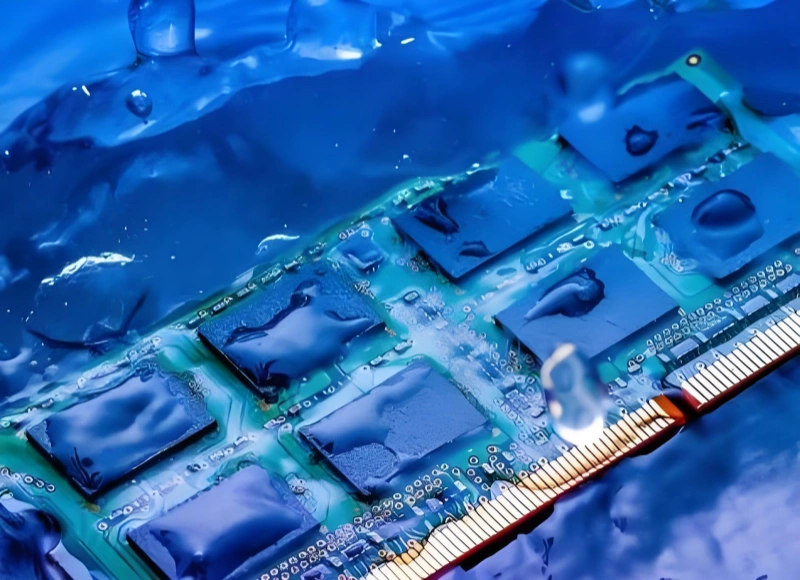
Vzhledem k tomu, že součástky na desce plošných spojů (PCBA) jsou stále menší a hustěji rozmístěné, zmenšuje se také vzdálenost mezi součástkami a jejich výška nad deskou, tedy mezera mezi součástkou a deskou plošných spojů. Zároveň mají faktory okolního prostředí stále větší vliv na PCBA. Z tohoto důvodu se dnes od elektronických výrobků vyžaduje vyšší úroveň spolehlivosti.
Součástky na deskách plošných spojů (PCBA) se mění z velkých na malé a z volného uspořádání na husté. V souvislosti s trendem miniaturizace a vysoké hustoty se problémy s poruchami způsobené vnějšími vlivy stávají stále závažnějšími. Z tohoto důvodu se konformní povlak stal klíčovým procesem pro zajištění spolehlivosti desek PCBA při provozu.
2. Vliv různých environmentálních faktorů na PCBA
Běžné faktory prostředí, jako je vlhkost, prach, solná mlha a plíseň, mohou způsobit různé druhy poruch desek s plošnými spoji (PCBA). Hlavní dopady jsou následující.
2.1 Vliv vlhkosti
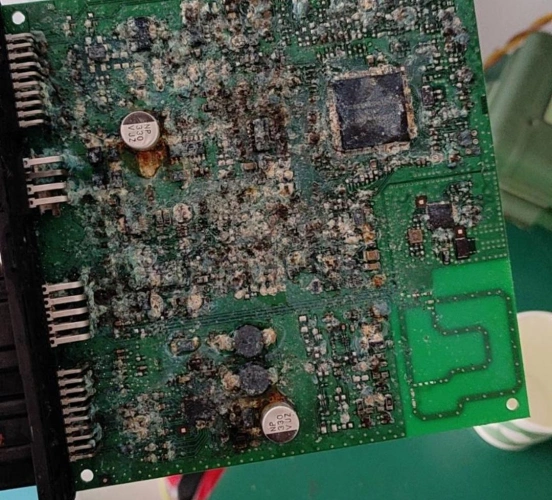
Většina elektronických desek plošných spojů používaných v otevřeném prostředí je vystavena riziku koroze. Hlavním činitelem způsobujícím korozi je voda. Molekuly vody jsou velmi malé, a proto mohou pronikat skrz mezery mezi molekulami některých polymerních materiálů a dostat se do vnitřku materiálu. Mohou také pronikat skrz drobné dírky v povlaku a dostat se k kovové vrstvě pod ním, kde pak způsobují korozi.
Jakmile vlhkost vzduchu dosáhne určité úrovně, může to na desce s plošnými spoji způsobit elektrochemickou migraci, svodový proud a zkreslení signálu ve vysokofrekvenčních obvodech.
Pára nebo vlhkost + iontové znečišťující látky, jako jsou soli a aktivátory tavidel = vodivý elektrolyt + napětí způsobené namáháním = elektrochemická migrace
Když relativní vlhkost dosáhne 80%, může se na povrchu zařízení vytvořit vodní film o tloušťce 5 až 20 molekul. V tomto okamžiku se mnoho molekul může volně pohybovat. Je-li v prostředí přítomen uhlík, mohou docházet k elektrochemickým reakcím. Když relativní vlhkost dosáhne 60%, může se na povrchu zařízení vytvořit vodní film o tloušťce 2 až 4 molekuly. Pokud se v něm rozpustí znečišťující látky, mohou nastat chemické reakce. Při relativní vlhkosti nižší než 20% téměř veškerá koroze ustane.
Z tohoto důvodu je ochrana před vlhkostí důležitou součástí ochrany výrobku.
U elektronických zařízení se vlhkost vyskytuje ve třech formách: dešťová voda, kondenzace a vodní pára. Voda je elektrolyt. Dokáže rozpouštět mnoho korozivních iontů a následně způsobovat korozi kovů. Pokud je teplota určité části zařízení nižší než rosný bod, dojde na tomto povrchu ke kondenzaci. K tomu může dojít na konstrukčních částech nebo na desce s plošnými spoji (PCBA).
2.2 Vliv prachu
Ve vzduchu se vyskytuje prach. Prach může pohlcovat iontové znečišťující látky a následně se usazovat uvnitř elektronických zařízení. To může vést k poruchám. Jedná se o běžný problém u elektronických zařízení umístěných venku.
Prach lze rozdělit do dvou typů. Hrubý prach tvoří nepravidelné částice o průměru 2,5 až 15 mikronů. Obvykle nezpůsobuje poruchy ani jiskření, může však ovlivnit kontakt v konektorech. Jemný prach tvoří nepravidelné částice o průměru menším než 2,5 mikronu. Jemný prach, který se usadí na desce PCBA, má určitou přilnavost, a proto jej lze odstranit pouze antistatickým kartáčem.
Škodlivé účinky prachu jsou následující:
a. Pokud se na povrchu desky s plošnými spoji (PCBA) usadí prach, může to způsobit elektrochemickou korozi a zvýšit poruchovost zařízení.
b. Kombinace prachu, tepla, vlhkosti a solné mlhy způsobuje na desce s plošnými spoji (PCBA) největší škody. Elektronická zařízení v pobřežních oblastech, v pouštních oblastech nebo na slaně-alkalických půdách, v období dešťů jižně od řeky Huai a v blízkosti chemických závodů či těžebních oblastí vykazují nejvyšší míru poruchovosti.
Z tohoto důvodu je ochrana před prachem důležitou součástí ochrany výrobku.
2.3 Vliv solné mlhy
Slaná mlha vzniká působením vln, přílivu a odlivu, atmosférické cirkulace (např. monzunů), atmosférického tlaku a slunečního záření. Vítr ji může unášet do vnitrozemí. Její koncentrace klesá s rostoucí vzdáleností od pobřeží. Obvykle je koncentrace ve vzdálenosti 1 km od pobřeží pouze 1% hodnoty naměřené na pobřeží. Během období tajfunů se slaná mlha může šířit dále do vnitrozemí.
Škodlivé účinky solné mlhy jsou následující:
a. Poškozuje povrchovou vrstvu na kovových konstrukčních prvcích.
b. Urychluje elektrochemickou korozi, což může vést k přetržení kovových vodičů a selhání součástí.
Často se vyskytují i podobné zdroje koroze:
a. Lidský pot obsahuje sůl, močovinu, kyselinu mléčnou a další chemické látky. Ty mohou na elektronických zařízeních způsobit stejný druh koroze jako solná mlha. Z tohoto důvodu je třeba při montáži a používání nosit rukavice a holé ruce se nesmí dotýkat pokovených povrchů.
b. Tavidlo obsahuje halogeny a kyselé látky. Desku s osazenými součástkami (PCBA) je nutné vyčistit a množství zbytků tavidla je nutné přísně kontrolovat.
Z tohoto důvodu je ochrana proti solné mlze důležitou součástí ochrany výrobků.
2.4 Vliv plísní
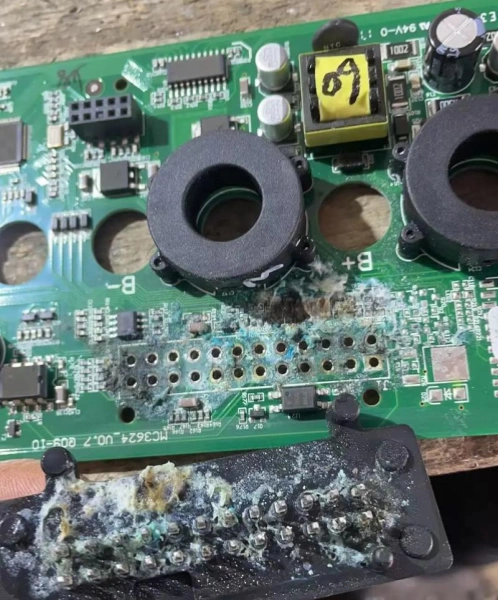
Plíseň je obecný název pro vláknité houby. Znamená to “houby tvořící plíseň”. Často tvoří rozvětvené a husté mycelium, ale nevytvářejí velká plodnice jako houby. Na teplých a vlhkých místech se na mnoha předmětech objevují viditelné chlupaté, bavlně podobné nebo pavučinovité kolonie. To je plíseň.
Škodlivé účinky plísní jsou následující:
a. Plíseň se živí organickými materiály a roste na nich. To může snížit izolační vlastnosti materiálu a způsobit jeho poškození či selhání.
b. Metabolickými produkty plísní jsou organické kyseliny. Ty mohou ovlivnit izolační vlastnosti a dielektrickou pevnost a mohou způsobit problémy s jiskřením.
Z tohoto důvodu je ochrana před plísní důležitou součástí ochrany výrobků.
3. Přehled procesu nanášení konformního povlaku
Vzhledem k celkovému vlivu vlhkosti, prachu, solné mlhy, plísní a dalších faktorů způsobujících korozi v prostředí je nutné desku s povrchově montovanými součástkami (PCBA) co nejvíce izolovat od vnějšího prostředí, aby se zvýšila její spolehlivost. Právě proto byl zaveden proces nanášení konformního povlaku.
Konformní povlak se také nazývá povrchový povlak nebo konformní povlak. Jeho anglický název je „coating“ nebo „conformal coating“. V současné době se jedná o nejběžnější metodu ochrany povrchu desek plošných spojů po pájení. Při tomto procesu se na povrch desky plošných spojů nanáší tenká izolační ochranná vrstva. Odděluje citlivé elektronické součástky od drsných podmínek prostředí, výrazně zvyšuje bezpečnost a spolehlivost elektronických výrobků a prodlužuje jejich životnost.
Konformní povlak chrání obvody a součástky před vlhkostí, znečišťujícími látkami, korozí, namáháním, nárazy, mechanickými vibracemi a teplotními cykly. Může také zlepšit mechanickou pevnost a izolační vlastnosti. Po nanesení povlaku se na povrchu desky plošných spojů vytvoří průhledný ochranný film. Tento film zabraňuje vniknutí kapek vody a vlhkosti a může tak předejít poruchám způsobeným únikem proudu a zkratům.
4. Klíčové body procesu nanášení konformního povlaku na základě IPC-A-610E
4.1 Klasifikace povrchů
4.1.1 Oblasti, kde není povoleno nanášení nátěru
Mezi ně patří oblasti, které vyžadují elektrické propojení, jako jsou zlaté plošky, zlaté kontakty, průchozí otvory s pokovením a testovací otvory; baterie a držáky baterií; konektory; pojistky a jejich pouzdra; chladiče; propojky; objektivy kamer v optických zařízeních; potenciometry; senzory; spínače bez utěsněné konstrukce; a všechny oblasti, kde by povrchová úprava mohla ovlivnit výkon nebo běžný provoz.
4.1.2 Plochy, které je nutné natřít
Všechny pájené spoje, vývody a vodivé části součástek musí být opatřeny povrchovou úpravou.
4.1.3 Oblasti s volitelným povlakem
Pro tyto oblasti neexistují žádné jasné závazné požadavky na povrchovou úpravu. Povrchová úprava se může provádět podle potřeb výrobku a požadavků zákazníka.
4.2 Norma pro tloušťku povlaku a zkušební metoda
Tloušťka povlaku by se měla měřit na rovném, nekrytém a vytvrzeném povrchu sestavy tištěného obvodu. Lze ji také měřit na doprovodné desce vyrobené stejným procesem jako sestava. Doprovodná deska může být vyrobena ze stejného materiálu jako deska s plošnými spoji (PCB), nebo může být z neporézního materiálu, jako je kov či sklo. Jako alternativní způsob kontroly tloušťky povlaku lze rovněž použít měření tloušťky mokrého filmu. V tomto případě musí být předem znám převodní poměr mezi suchým a mokrým filmem a musí být vedeny příslušné záznamy.
Metody zkoušení tloušťky:
- Měření tloušťky suchého filmu: lze použít mikrometr v souladu s normou IPC-CC-830B. Lze rovněž použít měřidlo tloušťky suchého filmu na železných materiálech.
- Měření tloušťky mokrého filmu: k měření tloušťky mokrého filmu použijte měřidlo tloušťky mokrého filmu a naměřenou hodnotu poté přepočítejte na skutečnou tloušťku suchého filmu na základě poměru obsahu pevných látek v nátěrovém materiálu.
4.3 Požadavky na rozlišení hran
Definice: Okraj čáry nastříkané pomocí standardního stříkacího ventilu nemůže být dokonale rovný. Vždy se na něm vyskytnou drobné otřepy. Šířka těchto otřepů se nazývá rozlišení okraje.
Technická specifikace: čím nižší je hodnota rozlišení hran, tím vyšší je přesnost nanášení povlaku. Neexistuje žádný jednotný pevně stanovený standard. Stačí, aby splňovala individuální požadavky zákazníka.
4.4 Požadavek na rovnoměrnost
Konformní povlak musí na povrchu výrobku tvořit souvislý film. Film musí mít rovnoměrnou tloušťku, musí být hladký a průhledný. Pokrytí povlakem musí být rovnoměrné po celém povrchu výrobku. Po nanesení povlaku nesmí povrch výrobku vykazovat praskliny, odlupování vrstev, pomerančovou kůru, nečistoty, kapilární jevy, bubliny ani jiné výrobní vady.
5. Kompletní proces nanášení konformního povlaku a hlavní metody
5.1 Včasná příprava
Připravte si produkt PCBA, materiál pro konformní povlak a další pomocné materiály. Určete oblasti, které je třeba lokálně zakrýt. Ověřte a zafixujte všechny klíčové detaily procesu.
5.2 Čisticí proces
Čištění by se mělo provést co nejdříve po dokončení pájení desky s plošnými spoji (PCBA). Tím se zabrání tomu, aby se zbytky pájky po vytvrzení staly obtížně odstranitelnými. Nejprve je třeba posoudit, zda se jedná o polární či nepolární nečistotu, a poté zvolit vhodný čisticí prostředek.
Při použití čisticího prostředku na bázi alkoholu musí být pracovní prostor dobře odvětrán. Po vyčištění je nutné zařízení důkladně vysušit, aby zbytky rozpouštědla při odpařování nezpůsobily výbuch pece. Pokud se používá vodní mycí proces, k odstranění zbytků tavidla použijte mírně alkalický emulgovaný čisticí roztok a poté zařízení důkladně opláchněte čistou vodou. Ujistěte se, že jsou splněny standardy kvality čištění.
5.3 Proces ochrany pomocí maskování
Pokud se nepoužívá zařízení pro selektivní nanášení povlaku, je nutné před nanášením povlaku zakrýt oblasti, které nemají být pokryty. Použijte lepicí pásku, která nezanechává zbytky ani nepřenáší lepidlo. U integrovaných obvodů je třeba nejprve použít antistatickou papírovou pásku. Všechny součástky musí být zakryty a chráněny přesně podle výkresu.
5.4 Proces odvlhčování
Po očištění a zakrytí je nutné desku s plošnými spoji (PCBA) před nanesením povlaku předběžně vypálit a odvlhčit. Na základě maximální teploty, kterou deska s plošnými spoji snese, zvolte vhodnou teplotu předběžného vypalování a dobu výdrže. Tím se zcela odstraní vlhkost z desky i z vnitřku součástek.
5.5 Hlavní metody povrchové úpravy
Postup nanášení konformního povlaku lze flexibilně zvolit v závislosti na úrovni ochrany desky s plošnými spoji (PCBA), výrobním zařízení a technickém uspořádání. Mezi hlavní metody patří následující čtyři typy.
5.5.1 Ruční nanášení štětcem
Nanášení nátěru štětcem má široké spektrum použití. Je vhodné zejména pro výrobu malých sérií, výrobky se složitými a hustými strukturami desek s plošnými spoji (PCBA) a výrobky s přísnými požadavky na maskovací ochranu. Umožňuje vysokou míru ruční kontroly a umožňuje velmi přesně vyhnout se oblastem, které nemají být natřeny, čímž zabraňuje kontaminaci.
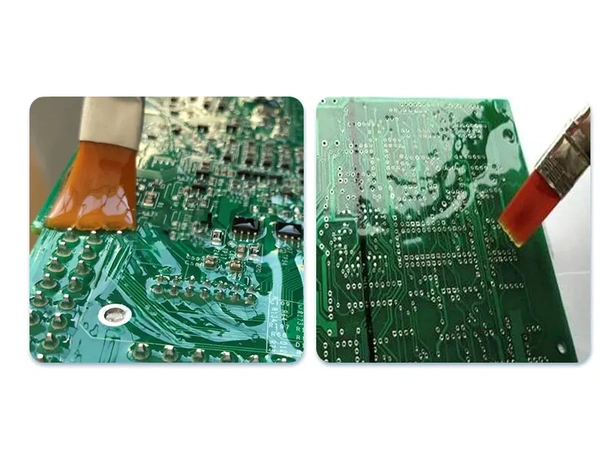
Tento proces spotřebovává velmi malé množství nátěrového materiálu, a proto je vhodný pro nákladné dvousložkové nátěry. Vyžaduje vysokou úroveň odborných dovedností obsluhy. Před zahájením práce musí obsluha porozumět požadavkům na nátěr uvedeným ve výkresu, rozlišit jednotlivé součásti, přesně znát oblasti, které se nemají natírat, a provést dobře viditelné značení. Během celého pracovního procesu se nesmí holýma rukama dotýkat potištěných zásuvných dílů, aby se zabránilo sekundární kontaminaci.
5.5.2 Ruční máčení
Povlakováním máčením lze vytvořit rovnoměrnou, souvislou a úplnou povlakovou vrstvu. Celkový výsledek povlakování je velmi dobrý. Tato metoda však není vhodná pro výrobky typu PCBA, které obsahují nastavitelné kondenzátory, nastavitelné magnetické jádra, potenciometry, miskovitá magnetická jádra nebo součásti se špatným utěsněním.
Klíčové parametry procesu při nanášení povlaku máčením jsou: přesné nastavení viskozity konformního povlaku; přísná kontrola rychlosti zvedání desky s plošnými spoji (PCBA); rychlost zvedání nesmí přesáhnout 1 metr za sekundu, aby se v povlaku netvořily bubliny.
5.5.3 Ruční nástřik
Tato metoda je vhodná pro výrobky se složitou strukturou, v mnoha variantách a v malých sériích, u nichž není možná hromadná výroba pomocí automatizovaných zařízení. Dokáže velmi dobře pokrýt i speciální rohy a mezery.
Pracovní pokyny: Rozprašovaná mlha může snadno znečistit oblasti bez povlaku, jako jsou zásuvné součásti desek plošných spojů, patice integrovaných obvodů, přesné kontakty a uzemňovací plochy. Proto je nutné před nástřikem provést maskovací ochranu. Obsluha se nesmí dotýkat potištěných konektorů holýma rukama, aby nedošlo ke znečištění kontaktní plochy.
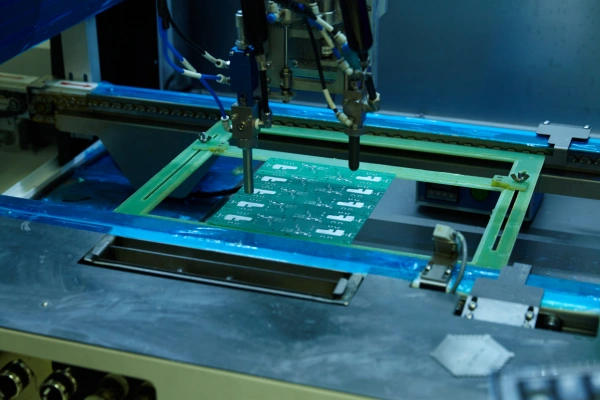
5.5.4 Automatické nástřikové lakování
Tato metoda obvykle využívá selektivní automatická lakovací zařízení. Je vhodná pro velkosériovou standardizovanou výrobu. Mezi její výhody patří dobrá rovnoměrnost nátěru, vysoká přesnost a menší zatížení životního prostředí. S modernizací odvětví, rostoucími mzdovými náklady a zpřísňujícími se ekologickými předpisy automatická stříkací zařízení postupně nahrazují tradiční ruční lakování. Stává se tak hlavní metodou v tomto odvětví.