

















Introduction: Why Thermal Management Matters in LED Lighting
LED lighting has transformed how we illuminate homes, businesses, and public spaces, offering superior energy efficiency and longevity compared to traditional sources. However, this advanced technology faces a critical challenge: heat. LEDs generate significant thermal energy during operation, and if this heat is not effectively dissipated, it can lead to reduced brightness, color shift, and premature failure. This is where thermal management becomes essential. The foundation of effective heat control lies in the design of the LED PCB. A well-engineered board ensures that heat moves away from sensitive components, maintaining performance and extending lifespan. Without proper PCB design, even the highest-quality LEDs will struggle to deliver reliable, long-lasting LED lighting.
What Is an LED PCB and How Does It Work?
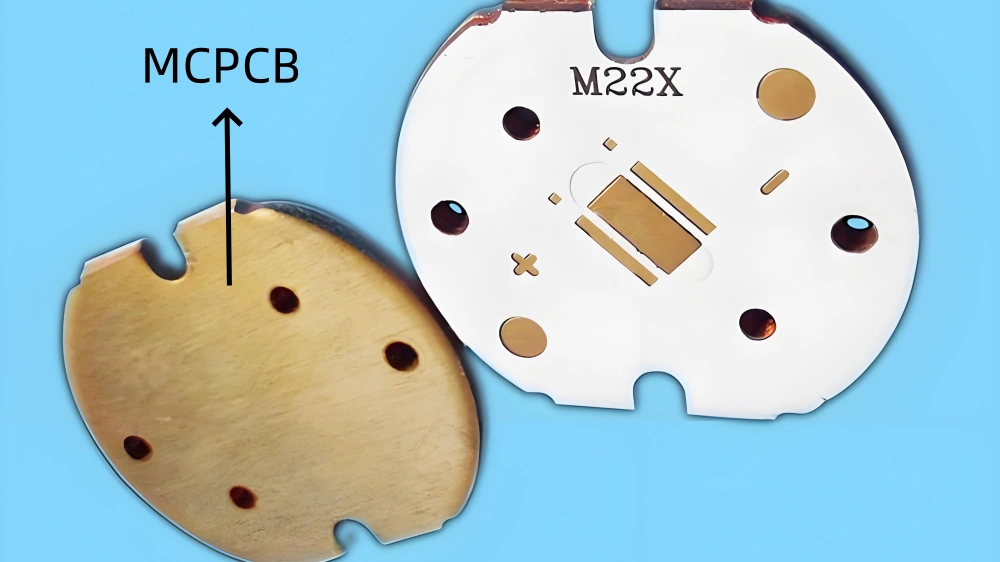
At its core, an LED PCB is a printed circuit board specifically designed to support and power light-emitting diodes. Unlike standard boards, it must manage the intense heat generated by high-brightness LEDs. This is where the metal core PCB (MCPCB) becomes essential. The typical construction replaces the standard fiberglass core with a layer of aluminum or copper. This metal base, combined with a thin thermally conductive dielectric layer, rapidly pulls heat away from the LED components. By transferring thermal energy to the board’s surface and surrounding environment, the MCPCB prevents overheating. This direct heat dissipation is critical for maintaining luminous efficiency and preventing premature failure in applications like street lighting or automotive headlights. For projects requiring high reliability, exploring advanced LED PCB designs can ensure your thermal management is optimized from the start.
The Critical Role of LED PCB in Thermal Management
The relationship between an LED PCB and thermal management is fundamental to performance. Without effective heat dissipation, even the highest-quality LEDs will suffer from rapid lumen depreciation and premature failure. This is where the design of the PCB itself becomes critical. The substrate material, typically a metal-core PCB (MCPCB) rather than standard FR4, determines the thermal conductivity of the board. A higher thermal conductivity rating means heat moves away from the LED junction faster, keeping operating temperatures safe.
A poorly designed layout can create hot spots that degrade the solder joints and the LED die. Conversely, a well-engineered LED PCB uses optimized trace widths and thermal vias to spread heat evenly. For demanding applications, selecting a board with high thermal conductivity is non-negotiable. This directly extends the LED lifespan, often from thousands to over 100,000 hours. To achieve this, engineers must prioritize the thermal path from the component through the dielectric layer to the metal base. If you are evaluating your current setup, reviewing detailed LED PCB design guidelines can help identify where improvements are needed. Ultimately, investing in proper thermal management through the PCB is the most effective way to ensure long-term reliability and light output stability.
Heat Generation in LEDs and Why It Must Be Controlled
Heat is an unavoidable byproduct of LED operation, generated primarily at the semiconductor junction where light is produced. The efficiency of this conversion is not perfect; a significant portion of electrical energy is dissipated as heat rather than visible light. This heat must be effectively drawn away to maintain a safe LED junction temperature. Without proper gestión térmica, the junction temperature rises, leading to several detrimental consequences. These include accelerated lumen depreciation (dimming over time), a shift in color temperature, and a drastically shortened operational lifespan. In extreme cases, poor heat control can cause catastrophic failure of the LED chip itself.
Therefore, controlling heat is not merely an optimization—it is a fundamental requirement for any reliable lighting design.
How LED PCB Materials Affect Thermal Performance
The substrate material in an LED PCB is the primary path for heat to escape from the chip. Placa de circuito impreso de aluminio stands as the industry standard because it offers a strong balance of cost and performance, with typical conductividad térmica values ranging from 1 to 3 W/mK. For applications requiring even higher heat dissipation—such as high-power automotive or industrial lighting—a metal core PCB using copper is superior, delivering conductivity above 400 W/mK. However, this comes at a significantly higher cost. In contrast, standard FR4 is a glass-epoxy laminate with very low thermal conductivity (around 0.3 W/mK). While FR4 is cheap and suitable for low-power indicators, it acts as a heat trap for high-lumen designs. Choosing the right substrate directly determines the lifespan and lumen maintenance of your lighting solution. For a deeper comparison of material properties, review our guide on PCB thermal management techniques.
Key Design Features That Improve LED PCB Efficiency
Achieving peak performance from an LED PCB requires more than just selecting the right substrate; the physical design parameters are critical. Three factors stand out: copper thickness, thermal vias, and overall Diseño de PCB optimization.
Espesor del cobre
Thicker copper layers (2 oz/ft² or higher) reduce electrical resistance and significantly improve heat spreading, directly lowering LED operating temperatures.
Thermal Vias
Strategically placed thermal vias act as thermal highways, channeling heat away from the LED junction into the metal core or heatsink.
Optimized PCB Layout
Well-planned layouts minimize trace inductance, ensure uniform current distribution, and avoid sharp 90-degree corners in traces to prevent hot spots.
By optimizing these three design elements, you can dramatically extend the lifespan of your lighting system. For practical guidance on implementing these strategies, see our LED PCB design best practices.
Thermal Vias and Copper Planes for Heat Spreading
Even with the best substrate material, effective heat dissipation depends on the physical pathways that move thermal energy away from the LED junction. This is where the PCB layout becomes critical. Thermal vias act as vertical conduits, transferring heat from the top layer—where the LED is mounted—down through the board to a copper plane on the bottom or inner layer. A dense array of these small, plated holes significantly reduces thermal resistance.
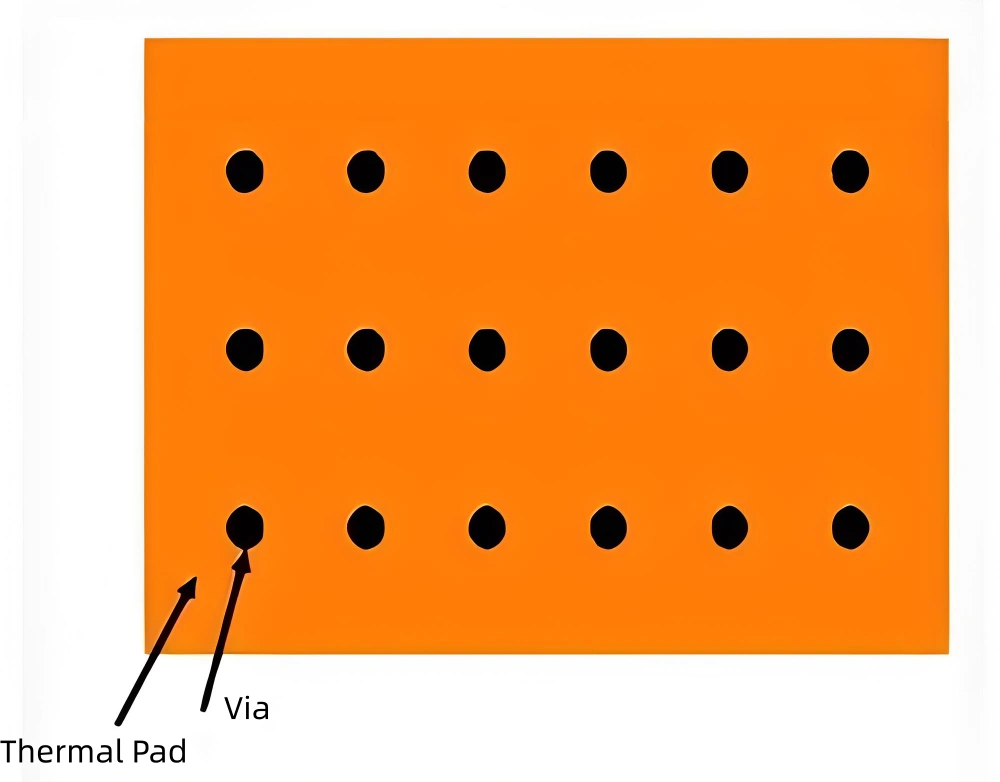
Once the heat reaches the copper plane, it spreads laterally across a large surface area, allowing it to dissipate more efficiently into the surrounding air or an attached heatsink. For high-power designs, pairing multiple vias with a thick copper pour on the bottom layer is a standard technique for maximizing thermal performance. To learn more about optimizing layer stacks for heat management, review our thermal management PCB design tips. This combination of vertical vias and horizontal copper planes is the most direct method for ensuring your LEDs operate within safe temperature ranges, directly supporting long-term reliability.
Optimizing PCB Layout for High-Power LED Arrays
Beyond basic thermal via placement, optimizing the layout of your LED PCB requires a strategic approach to copper distribution and component spacing. To minimize hot spots in a high-power LED array, you should position the LEDs with sufficient physical separation to prevent thermal overlap. A common rule of thumb is to maintain a gap equal to at least the diameter of a single LED package.
Additionally, use wide, unbroken copper traces on the top layer to connect each LED, and consider flooding unused areas with copper connected to the thermal plane. This creates a more uniform thermal distribution across the board. For complex designs, leveraging a professional PCB layout service ensures that these thermal management rules are applied correctly, preventing premature failure and maintaining consistent light output across the entire array.
Comparing LED PCB Types: Aluminum, Copper, and FR4
When selecting an LED PCB, the substrate material directly determines both thermal performance and project cost. The three most common options are aluminum, copper, and FR4, each offering distinct trade-offs.
En PCB de aluminio is the industry standard for general LED lighting due to its excellent heat dissipation and affordable price. It is a type of metal core PCB that efficiently pulls heat away from LEDs, extending lifespan without a premium price tag.
For high-power applications where heat loads are extreme, a copper-based metal core PCB provides superior thermal conductivity—often two to three times higher than aluminum. However, this performance comes at a significantly higher material cost and increased weight.
On the opposite end of the spectrum, FR4 (fiberglass epoxy) is the cheapest option, but its poor thermal conductivity makes it unsuitable for most high-brightness LED designs. While FR4 works for low-power indicators, it will lead to rapid degradation in demanding setups.
For most commercial and industrial lighting, an aluminum PCB strikes the ideal balance between thermal performance and cost. A reliable PCB manufacturer can provide thermal simulation data to confirm the right substrate choice for your project.
Real-World Case Study: Improving LED Efficiency with Optimized PCB Design
A recent project with a mid-sized automotive lighting manufacturer illustrates how targeted thermal redesign can dramatically improve LED performance. The client was experiencing premature lumen depreciation and color shift in their high-bay LED fixtures—symptoms directly linked to inadequate heat dissipation. Their original LED PCB design used a standard FR-4 substrate, which simply could not move heat away from the densely packed LEDs fast enough. Junction temperatures were consistently exceeding 105°C, far above the recommended threshold for stable operation.
Our engineering team at PHILIFAST proposed a complete re-evaluation of the gestión térmica strategy. We replaced the standard FR-4 material with a 1.6 mm aluminum-based metal core PCB (MCPCB) featuring a high thermal conductivity dielectric layer. This single change, combined with optimized copper pour patterns and strategically placed thermal vias, reduced the overall thermal resistance by nearly 40%. The revised layout also improved current distribution, which minimized hot spots across the board.
After prototyping the new design, junction temperatures dropped to a stable 78°C under full load. Lumen output remained consistent after 6,000 hours of continuous testing, and the client achieved a 15% improvement in overall system efficacy without increasing fixture size.
This case underscores that thoughtful gestión térmica during the design phase is not just about preventing failure—it is a direct lever for improving energy efficiency and product lifespan. If you are working on a high-power lighting project, our PCB layout service can help you simulate and optimize your thermal path before committing to production.
How to Choose the Right LED PCB Manufacturer for Your Project
Selecting the right partner for your LED PCB project goes beyond comparing price quotes. The first factor to evaluate is material quality. Standard FR-4 boards often fail under the thermal stress of high-power LEDs, so you need a custom PCB manufacturer that offers aluminum-backed or metal-core substrates with verified thermal conductivity ratings.
Second, demand proof of thermal testing. A reliable PCB fabrication service will provide thermal simulation data and real-world test results, not just theoretical specs.
Third, assess manufacturing experience. Companies that have built thousands of LED boards understand the nuances of solder mask reflectivity, copper weight distribution, and thermal via placement. For example, PHILIFAST brings over 20 years of hands-on experience in LED applications, using advanced AOI and X-Ray inspection to catch defects that could shorten your product’s lifespan. They also perform rigorous thermal cycling tests on every high-power batch.
If you are evaluating suppliers, ask for their thermal test reports and material certifications. A partner with proven expertise will help you avoid costly redesigns and field failures.
Preguntas frecuentes
Effective thermal management is critical for LED performance and lifespan. LEDs generate significant heat; without proper dissipation, this heat degrades light output and accelerates component failure. A well-designed LED PCB uses materials like aluminum or copper to conduct heat away from the LEDs, typically through a metal-core PCB (MCPCB) with integrated thermally conductive dielectric layer.
A reliable Fabricante de placas de circuito impreso optimizes the fabrication process by selecting high-thermal-conductivity materials, incorporating thermal vias and thicker copper layers. During assembly, proper solder paste selection and component placement are crucial to avoid hot spots, creating a clear heat path from the source to ambient air or a heatsink.
Standard PCB fabrication uses FR-4 fiberglass, a poor thermal conductor. LED production switches to metal-core substrates, requiring different etching and lamination processes. LED board assembly also demands precise SMD alignment to ensure uniform light distribution and reliable solder joints under thermal cycling.
Not always. Standard assembly processes may not account for the high thermal demands of LED circuits. Specialized techniques like thermally conductive adhesives or reflow profiles tuned for metal-core boards are often necessary. Early consultation with an experienced manufacturer ensures your thermal strategy is production-compatible.
Conclusion: Thermal Management Is the Key to LED Performance
Effective thermal management directly determines how well your LED PCB performs over its lifespan. Without proper heat dissipation, even the highest-quality LEDs suffer from reduced light output and premature failure. As highlighted throughout this guide, selecting the right substrate, optimizing the layout, and working closely with a knowledgeable PCB manufacturer from the start are non-negotiable steps. These decisions prevent common pitfalls like solder joint cracking and delamination.
Ultimately, the longevity and reliability of your lighting product depend on a comprehensive thermal strategy. Investing time in this foundation ensures your design meets performance expectations and avoids costly field failures down the line.
¿Listo para empezar?
At PHILIFAST, we combine 20+ years of PCB fabrication & assembly experience with rigorous thermal management to deliver reliable high-power LED boards from prototype to mass production.
Contact our engineers for a fast quotation & technical review