
Low Volume PCB Manufacturing
The PCB batch your product needs.
A practical plan for the next order.
FLJ PCB / Philifast supports custom small-batch PCB fabrication in Shenzhen, China. Bring us a pilot run, several product variants or a repeat order—we will help connect your board specification with the quantity, inspection and delivery you need.
Discuss your PCB batch ↗
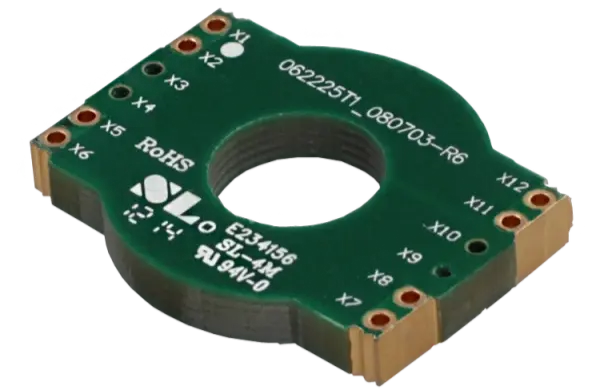
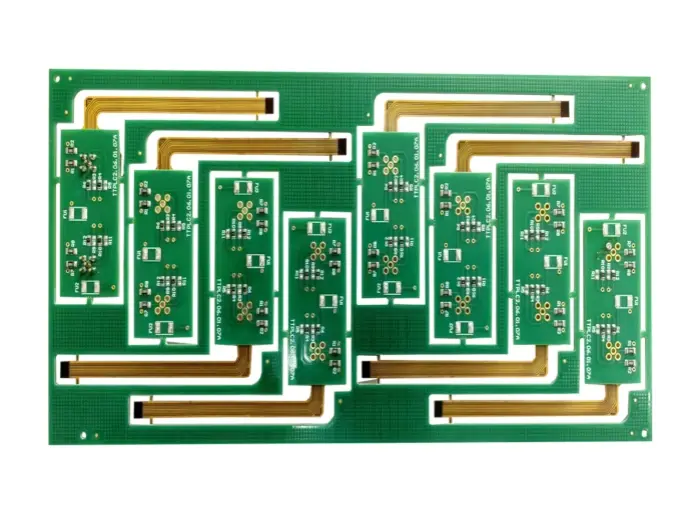
What is low volume PCB manufacturing?
Low volume PCB manufacturing produces a smaller planned batch of custom bare printed circuit boards. It can support a pilot build, a specialist product or recurring demand that does not justify a large inventory. The useful quantity depends on your product and board construction; there is no single piece count that defines every small run.
A prototype asks whether a design works. A small production run asks how many boards you need to build and deliver the product. A pilot batch can serve both purposes when its specification is representative of the intended production build.
Small batches, with the construction your circuit needs
Small batch PCB fabrication can include more than a basic two-layer board. FLJ reviews FR4 and multilayer boards, HDI, flex and rigid-flex, heavy copper and specialist substrates around the actual design.
These are selected references from FLJ’s published manufacturing scope. Copper, geometry, layer structure and material are reviewed together; maximum values are not a promise that every combination is available.
Keep each board variant easy to identify
High mix low volume PCB fabrication starts with the differences between designs. Several boards may belong to one product family while needing different quantities, copper weights, finishes or layer structures.
Send the available files for each board with a part number or name, revision and requested quantity. A short list is enough to start. We can help separate the shared specifications from the details that need an individual review.
If you want different designs combined on one delivery panel, discuss their construction and quantity ratio with us. Compatibility, board shape and downstream assembly matter; using the same base material alone does not establish that a mixed panel is practical.
Your board list
- Board identityPart number or a clear design name
- Current revisionFiles connected to the version you want made
- Quantity per designTell us whether you mean individual boards or panels
- Open questionsMaterial, panel format or target date—we can discuss them
Compare the batch cost, not just the price per board
A short run PCB manufacturing quote combines preparation, material, process and inspection costs. Some preparation is shared across the batch, so a larger quantity can reduce its cost per board. That does not mean a larger order is always the better purchase: unused boards tie up budget and may become obsolete after a design change.
Engineering and test setup
Ask which CAM, tooling or test preparation charges are included. The appropriate test approach depends on the design and quantity; repeat-order charges are confirmed in the quote.
Board area and panel utilization
Board dimensions, stackup and usable panel area influence material consumption. A tighter layout needs to remain workable for routing, handling and inspection.
The features that add fabrication work
Special laminates, heavy copper, via filling, controlled impedance and unusual machining can change the process route. Retain the features your circuit needs rather than reduce them solely for price.
Quantity and delivery trade-offs
If you are deciding between quantities, request a comparison using the same specification. Consider the total order value, expected consumption and freight alongside unit price.
Choose a delivery format that works after fabrication
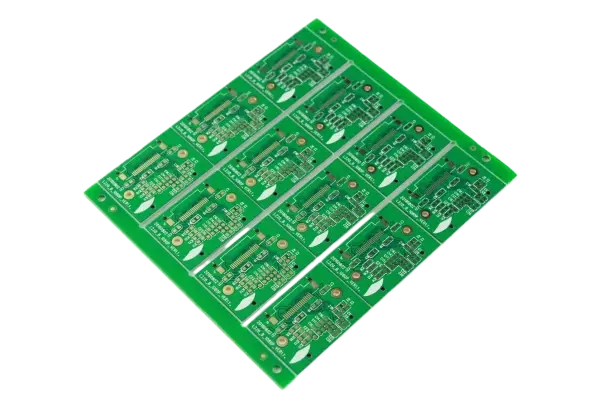
The factory’s manufacturing panel is the layout used to make boards efficiently. A delivered assembly array is arranged for your next production step. Tell us whether you prefer individual boards or a panel for your assembler.
For panel delivery, we review the outside dimensions, board count, handling rails, locating features and separation method. Straight V-scoring and routed tabs suit different outlines; perforated tabs are one option for breaking out a routed board. Board-edge clearance and separation stresses need to be considered with the intended handling.
A larger array is not automatically more efficient. It must fit the downstream equipment and remain stable through processing and separation. If you have no panel drawing yet, send the individual board and tell us who will assemble it—we can discuss a suitable format.
Make the next order clear, even when something changes
For repeat PCB production, share the previous order reference and the board revision you want. We can review the next quantity and any changes against the earlier specification. Keeping that connection makes the handoff easier to follow.
Replenish an approved revision
Identify the earlier build and say that the design is unchanged. We will discuss the requested quantity, current material availability, inspection needs and schedule. The repeat quotation confirms the production arrangements.
Show what changed
Send the new revision and a short change list. Changes to copper, holes, stackup, finish or delivery panel can affect manufacture or assembly. We will review them with you and agree which files define the new batch.
A board drawing, material designation and agreed stackup help communicate continuity between batches. If an alternative material is proposed, its suitability is discussed with your team before it becomes part of the released specification.
Keep acceptance connected to the batch specification
A smaller quantity does not call for a lower acceptance standard. Agree the relevant workmanship, dimensions, electrical checks and reporting around the board’s application and purchase specification.
Bare-board electrical testing checks connectivity and isolation. It does not demonstrate circuit function after components are fitted. Flying-probe or fixture-based testing is selected around the design, quantity and agreed coverage; impedance and other specialist checks are discussed with their targets.
For supplier qualification, tell us which inspection records or batch identification you need. We can discuss the applicable IPC document, revision and acceptance class separately from management-system certification and material declarations.
Plan the boards around their next production step
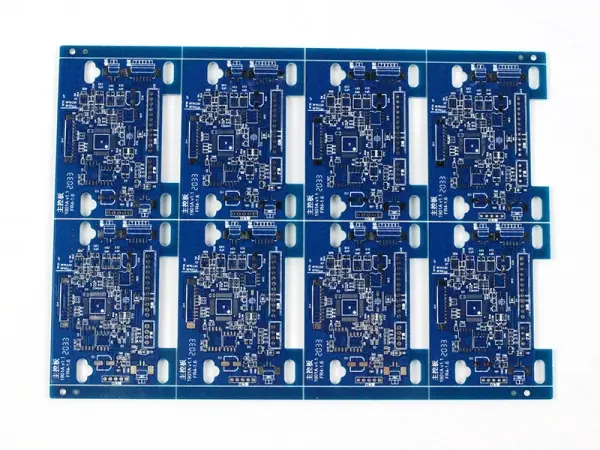
Confirm the delivered unit—individual board or complete panel—and the quantity for each design. Share your assembly date, destination and any packing or identification needs so they can be considered with the quotation.
FLJ can discuss DHL, FedEx, UPS and shipment through your nominated freight forwarder. Manufacturing completion and transport time are separate parts of the delivery plan.
Need populated boards instead?
Low volume PCB assembly adds component sourcing, placement and soldering. Send your available BOM and assembly information if you want the small batch delivered as PCBA. A BOM is not needed for bare-board fabrication.
Discuss low-volume PCB assemblySend your board files and the batch you have in mind
Start with the design files you have, the requested quantity for each board and any target date. Gerber and drill files, a drawing or fabrication notes can help explain the project. If something is missing or still undecided, we will follow up with you.
For a repeat order, include the previous reference. For a new variant, identify the changed design. You do not need to complete a long specification checklist before starting a conversation.
Low volume PCB manufacturing: useful answers
How many boards count as low volume PCB production?
The term describes a smaller production run relative to the product and manufacturing route. It is not one universal quantity band. Share the number of boards you need for each design and FLJ will review suitable fabrication options.
What is the difference between a prototype and a small production batch?
A prototype primarily supports design evaluation. A small production batch supports a product build, pilot run or customer demand. A pilot batch may serve both tasks when its materials, construction and inspection represent the intended production specification.
Can I order several different PCB designs together?
Yes, you can send several designs for review, each with its own identity, revision and quantity. Whether they can share one delivered panel depends on compatible construction, outlines, quantity ratios and assembly needs.
Will a larger quantity always make my order cheaper?
It may lower some costs per board, but the total purchase cost can still increase. Compare equivalent specifications and consider unused inventory, design changes and shipping. FLJ can discuss quotes for the quantities you are considering.
Do I need to prepare a panel drawing?
Send one if you have it. Otherwise, share the individual board design and explain whether you need separate boards or an array for assembly. We can discuss the format with you and confirm it with the quotation.
Can I change the design when placing a repeat order?
Yes, tell us what changed and send the current revision. Updated artwork, stackup, holes or delivery format may need a fresh engineering review. The new batch is made to the specification and files agreed for that order.