

















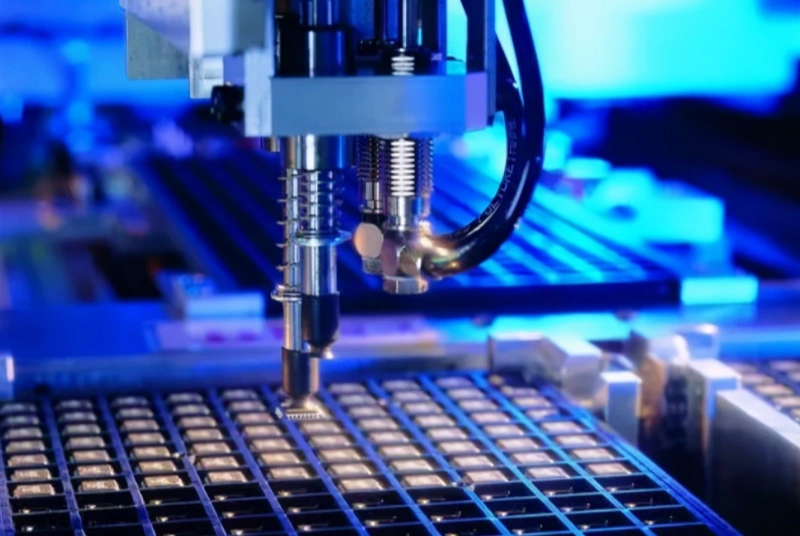
Did you know over 90% of all modern electronic devices rely on a single breakthrough? This tiny revolution lets your smartphone fit in your pocket, not take up a room. Knowing the smt meaning is key for anyone curious about our digital world.
This technology is the backbone of contemporary manufacturing. It lets engineers place components on printed circuit boards with amazing precision. This shift has made everything from laptops to medical equipment smaller and faster.
Learning about this concept helps you see the complexity in your favorite gadgets. It’s the foundation of modern electronics design that keeps us connected and efficient.
要点
- きょくかんり stands for Surface Mount Technology, a standard in modern assembly.
- It enables the creation of smaller, faster, and more reliable electronic devices.
- The process involves placing components directly onto the surface of a circuit board.
- This method has replaced older, manual assembly techniques in mass production.
- Understanding this technology is vital for grasping how modern hardware is engineered.
Defining SMT and its role in modern electronics
Ever wonder how smartphones pack so much power in a tiny space? The secret is きょくかんり. This method has changed how we make gadgets and devices. It lets components sit on a pcb surface, making things smaller and more efficient.
The core SMT meaning explained
きょくかんり means placing electronic parts on a circuit board’s surface, not through holes. These parts, called Surface Mount Devices (SMDs), are tiny. They don’t need long leads, so they can fit on both sides of the pcb precisely.
This method packs more parts on one board. It makes products smaller, lighter, and more efficient. Knowing about きょくかんり is key for innovating in hardware.
How SMT differs from traditional through-hole technology
Before きょくかんり, we used Through-Hole Technology (THT). THT parts have long leads that go through holes and are soldered. It’s slower and takes up more space than きょくかんり.
The table below shows the main differences between きょくかんり and THT:
| 特徴 | きょくかんり | Through-Hole |
|---|---|---|
| Component Size | Very Small | Large |
| Assembly Speed | High (Automated) | Lower (Manual/Semi) |
| Board Density | 高い | 低い |
| Cost Efficiency | Excellent for Mass Production | Better for Prototyping |
きょくかんり is better for today’s high-density designs. It’s cheaper and makes devices work better. Most consumer electronics use きょくかんり today.
The evolution of PCB assembly processes
To understand how we make a modern pcb, we must look at how assembly techniques have changed. In the early days, engineers placed each component by hand. This method was slow, prone to mistakes, and couldn’t meet the demand for complex devices.
From manual assembly to automated precision
At first, technicians soldered parts into holes by hand. This worked for simple circuits but wasn’t good enough for high-performance devices. As technology improved, the industry moved to automated pcb production lines for better output and accuracy.
Now, robotic machines can place thousands of components per hour. These machines work fast and don’t get tired, making sure every connection is perfect. This change to automation has let manufacturers create more advanced electronic designs.
Why SMT became the industry standard
Surface Mount Technology (きょくかんり) became the top choice because it overcame old design limits. It mounts components directly on the pcb, making devices smaller, lighter, and more efficient. This was key for the development of modern smartphones and wearable tech.
SMT is very reliable today. Its automation means fewer mistakes, leading to higher quality boards. Below is a table showing the main differences between old methods and SMT assembly.
| 特徴 | Manual Assembly | Automated SMT |
|---|---|---|
| Production Speed | Very Slow | Extremely Fast |
| Component Size | Large/Bulky | Miniature/Compact |
| Accuracy | Human Dependent | High Precision |
| プリント基板 密度 | 低い | 非常に高い |
Key components of the SMT assembly process
The journey from a bare circuit board to a fully populated pcba involves several critical technical stages. By following a standardized workflow, manufacturers ensure that every device meets strict performance requirements. Understanding these steps allows designers to optimize their boards for seamless mass production.
Solder paste application and stencil printing
The process starts with applying solder paste to the pads of the printed circuit board. A stainless steel stencil is placed over the board to ensure the paste is applied only where needed. This precision is vital for preventing bridges or shorts during the later stages of the きょくかんり workflow.
Automated component placement
Once the paste is applied, high-speed pick-and-place machines take over the assembly. These machines use advanced vision systems to align components with extreme accuracy before placing them onto the board. This automation is the primary reason why modern pcba production can achieve such high levels of consistency and speed.
Reflow soldering techniques
After the components are placed, the board moves into a reflow oven. The oven follows a carefully controlled thermal profile to melt the solder paste and create permanent electrical connections. This carefully managed heating process ensures that the きょくかんり components are securely bonded without damaging the sensitive board materials.
| Process Stage | 主要目標 | Key Equipment |
|---|---|---|
| Stencil Printing | Apply solder paste | Stencil Printer |
| コンポーネントの配置 | Position parts | ピック&プレース・マシン |
| Reflow Soldering | Create connections | Reflow Oven |
Benefits of choosing SMT for your projects
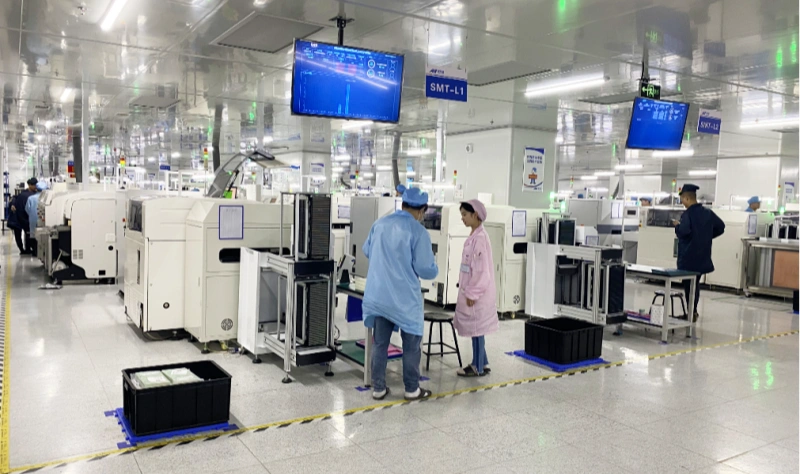
Modern electronics need precision, and きょくかんり delivers. It replaces old, bulky methods with new, compact ones. This makes devices powerful and small.
Miniaturization and high component density
The main benefit of きょくかんり is its ability to shrink devices. Components are mounted directly on the board, saving a lot of space.
This lets engineers fit more into smaller spaces. It’s why our smartphones and wearables are so slim.
Cost-effectiveness in mass production
きょくかんり is the best choice for big production runs. It’s automated, which cuts down on labor costs and mistakes.
It also means products hit the market faster. This speed is key to staying ahead in the electronics world.
Improved electrical performance and reliability
This method also boosts your circuit’s performance. It reduces unwanted interference, making signals clearer.
This results in more reliable and consistent performance. Your product will work well, even under tough conditions.
| 特徴 | SMT Advantage | Traditional Method |
|---|---|---|
| Component Size | Very Small | Large |
| Assembly Speed | High (Automated) | Low (Manual) |
| シグナル・インテグリティ | 素晴らしい | 中程度 |
| Production Cost | Lower at Scale | Higher at Scale |
PHILIFAST: Your partner for high-quality SMT assembly
PHILIFAST is a top choice for businesses looking for quality assembly services. Based in China, we offer a comprehensive suite of services for your production needs. We support you from the start to the end, making sure your pcb projects get the best care.
Expertise in PCB fabrication and assembly
Our team knows a lot about electronics manufacturing. We handle pcb fabrication, SMT assembly, and finding components. By doing all this ourselves, we make your supply chain simpler and cut down on mistakes.
Commitment to fast turnaround times
We know how important time is in today’s fast-paced market. Our quick processes help us deliver your pcb products fast. We focus on being efficient so your projects are done on time.
Quality control and testing standards
Quality is key at PHILIFAST. We use 厳格な試験プロトコル for every pcb. This includes checks for function and automated optical inspection. We make sure every board meets top standards for quality and reliability.
Need help with firmware or integrating your product? Our team is here to help. We’re proud to be your go-to for pcb needs, helping you succeed in every project.
Comprehensive PCBA services beyond SMT
PHILIFAST offers more than just standard assembly. We take a complete approach to making your pcba project a success. We manage every detail to make your production smoother and less complicated.
Component sourcing and supply chain management
Finding top-quality parts is hard. Our team takes care of getting all the components you need. We work with trusted suppliers worldwide to keep your project moving.
This way, we avoid delays and keep your project on track. Having one place for all your pcba needs makes things easier for you.
Firmware programming and flashing services
Your hardware needs the right software to work well. We program and flash your boards right on the production line. This makes sure every board is ready to go when it leaves our place.
Our techs use advanced testing to check the code. This step saves you time during quality checks.
Final product assembly and integration
We do it all, from box build to final assembly. We make sure your pcba is safe and ready for users. Our team pays close attention to every detail.
Choosing our services means you have one person to talk to for your whole product. We aim to give you a device ready for the market that meets top standards.
Technical challenges in SMT and how we solve them
について きょくかんり process has its own set of challenges. Our team works hard to solve these problems early on. This way, your circuit boards will be reliable and meet high standards.
By tackling these issues early, we help you avoid delays and performance problems. This saves you money and ensures your project runs smoothly.
Managing thermal profiles during reflow
The reflow process is key. It’s where temperature control makes or breaks solder joints. We use advanced thermal profiling to heat components just right.
This careful heating prevents thermal shock. It also makes sure solder paste melts evenly across the board.
Ensuring precise alignment for fine-pitch components
As components get smaller, the room for error gets smaller too. Our automated systems use high-resolution cameras for precise alignment. This technology lets us place delicate parts with incredible accuracy.
This is crucial for modern, dense designs. It ensures your board is made with the highest precision.
Addressing common defects in high-density boards
High-density boards often face problems like solder bridging or tombstoning. We tackle these issues by improving stencil designs and refining reflow parameters. Our きょくかんり skills help us spot potential problems before we start making boards.
This way, we can ensure your project has a high success rate. It means fewer defects and more reliable boards for you.
| Common Defect | Primary Cause | Preventative Solution |
|---|---|---|
| トゥームストーニング | Uneven heating | Optimized thermal profile |
| Solder Bridging | Excessive paste | Stencil aperture control |
| Solder Voids | Trapped gases | Vacuum reflow process |
| Misalignment | Placement error | Advanced vision systems |
The importance of testing in the PCBA lifecycle
Creating a reliable product is more than just putting parts together. It needs rigorous verification at every step. We see testing as the last, crucial step in making a product. By following strict rules, we make sure every pcba works perfectly before it goes out.
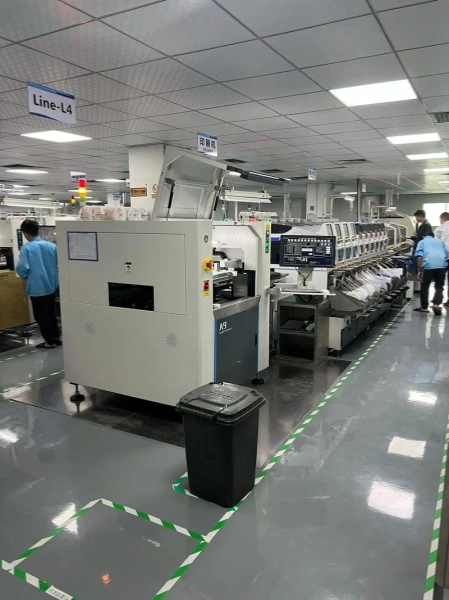
In-circuit testing and functional verification
Our team uses advanced in-circuit testing (ICT) to find issues like shorts and opens. This method checks if each part on the board works as it should. It’s a highly efficient way to spot problems early.
We also do functional verification to see how the system works in real life. This step makes sure the whole system talks to each other right and meets your needs. We’re proud to say your pcba is ready to go as soon as it arrives.
Visual inspection and automated optical inspection
Even though technology is key, human eyes are still important. We use Automated Optical Inspection (AOI) to find mistakes like wrong placements or missing parts. This fast system catches things the human eye might miss.
By mixing tech with human checks, we keep the quality high. These steps help find problems before they cost a lot. Our focus on thorough testing means your product will last.
Selecting the right manufacturer for your PCB needs
Your choice of a manufacturing partner is key to your product’s quality and speed. It’s crucial to find a reliable team for your pcb そして pcba needs. This decision greatly affects your project’s success in the long run.
Evaluating manufacturing capabilities and capacity
When looking at potential partners, check their technical setup. PHILIFAST, China’s top manufacturer, has the capacity for both small and large projects. They have the tools and space to meet your needs.
It’s important to see their machinery and facilities. High-quality products need a partner who can grow with you. They must also keep precision high on every pcb board.
The value of transparent communication and support
Technical skills are important, but so is how a company treats its clients. We think transparent communication is key for a strong partnership. It means you always know what’s happening with your project.
Our support team works with you to meet your pcba needs. We focus on clear updates and solving problems quickly. This makes your production process smooth and efficient.
| Selection Criteria | PHILIFAST Standard | Industry Average |
|---|---|---|
| Production Speed | Fast Turnaround | Standard Lead Times |
| 品質管理 | Rigorous Testing | Basic Inspection |
| Communication | Proactive & Transparent | Reactive Only |
| Scalability | High Capacity | Limited |
結論
Modern electronics need the exactness of surface mount technology to work well in small sizes. This method is key for innovation in the United States.
Choosing the right partner is crucial for your project’s success. PHILIFAST offers the technical know-how and strict testing needed to make complex designs real. Our team works hard to keep your project on schedule.
Your next big idea needs a manufacturing process that values quality and speed. Contact our specialists today to talk about your needs. We’re excited to help you create the next high-quality electronic devices.
よくあるご質問
What exactly does smt meaning refer to in the electronics industry?
SMT stands for Surface Mount Technology. It’s a modern way to make electronic circuits. Unlike old methods, SMT doesn’t use holes for components. Instead, they’re placed directly on the board.This change makes devices smaller and manufacturing faster worldwide.
How does SMT differ from traditional through-hole technology?
SMT and through-hole differ in how components are attached. Through-hole uses pins pushed through the board. SMT places components on the board’s surface.This makes SMT boards denser and allows for both sides of the board to be used. This is key for small devices like smartphones and laptops.
Why has SMT become the global standard for PCB assembly?
SMT is now standard because it’s automated and scalable. It moved from manual to robotic assembly. This makes production faster, cheaper, and better.
What are the primary steps involved in the SMT assembly process?
The process starts with applying solder paste. Then, machines place components on the board. Finally, the board goes through a reflow oven to melt the paste.This creates strong, reliable connections.
What are the main benefits of using SMT for my electronics project?
SMT makes devices smaller and lighter. It also improves electrical performance. For businesses, it’s the best choice for making lots of products reliably.
Why should I choose PHILIFAST for my SMT and PCB needs?
PHILIFAST is China’s top pcb そして pcba maker. We offer everything from start to finish. We focus on quality and quick service.
Does PHILIFAST offer services beyond just surface mount assembly?
Yes! PHILIFAST does more than SMT. We help with design, programming, and getting your product to market. We take care of the hard stuff so you can focus on your product.
How do you handle technical challenges like thermal management and component alignment?
Our team at PHILIFAST tackles thermal and alignment issues with advanced methods. We use precise machines for fine-pitch components. This prevents defects in dense designs.
What role does testing play in the PCBA lifecycle at PHILIFAST?
Testing is crucial for quality. We use AOI, in-circuit testing, and functional checks. This ensures every board meets your standards.
How can I ensure I am selecting the right manufacturer for my PCB project?
Look for a manufacturer with the right capacity, expertise, and communication. PHILIFAST is a reliable partner. We support you from start to finish, ensuring quality products.

