















fr4 — định nghĩa và ý nghĩa
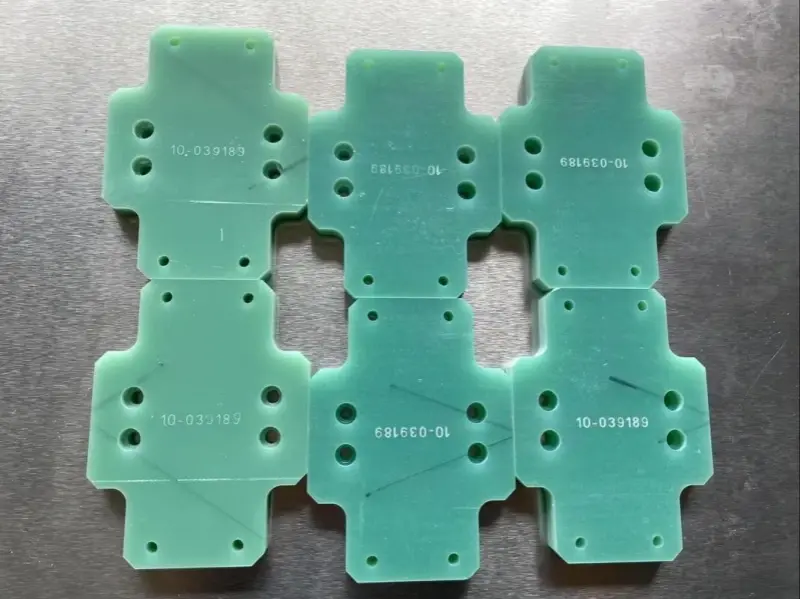
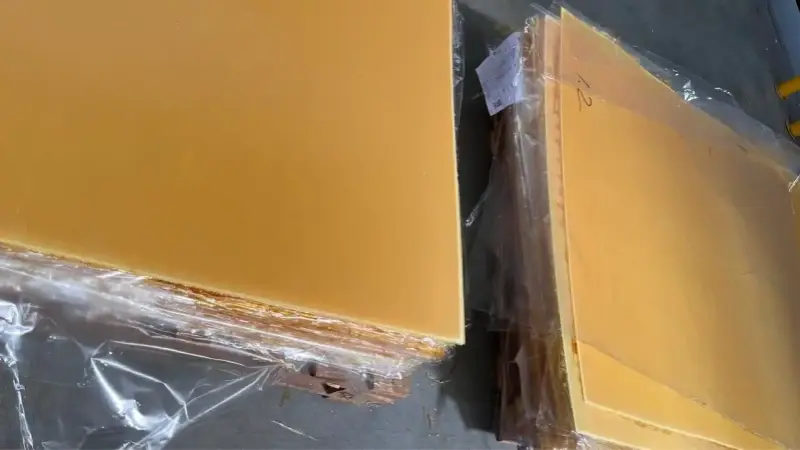
FR4 là mã phân loại chống cháy của vật liệu composite sợi thủy tinh gia cường epoxy phủ đồng. Điều này có nghĩa là nhựa phải tự tắt lửa sau khi bị đốt cháy. FR4 không phải là tên của một loại vật liệu cụ thể. Đây là cấp độ vật liệu được sử dụng cho bảng mạch in (PCB).
Cấu trúc và các loại phổ biến
Có nhiều loại vật liệu FR4 được sử dụng trong các bảng mạch in (PCB) thông thường. Hầu hết là các vật liệu composite được chế tạo từ một loại nhựa epoxy tetra-chức năng, kết hợp với các chất độn và sợi thủy tinh.
Ví dụ: Nếu thông số kỹ thuật của bảng mạch in (PCB) ghi rằng fr4 T:1.0 D/S, điều này có nghĩa là: fr4 là cấp độ chống cháy, T:1.0 có nghĩa là độ dày 1.0 mm, D/S có nghĩa là hai mặt. Nói cách khác, vật liệu bảng mạch là tấm laminate hai mặt phủ đồng bằng vải thủy tinh epoxy, dày 1 mm, hai mặt.
fr4 — Các tính chất chính và phân loại
Về mặt kỹ thuật, các tấm laminate FR4 có một số thông số kỹ thuật chính. Các thông số này bao gồm:
- Độ bền uốn và độ bền bóc tách, và khả năng chịu sốc nhiệt;
- Khả năng chống cháy cao;
- Điện trở thể tích và điện trở bề mặt;
- Hằng số điện môi (Dk) và hệ số tiêu tán (hằng số tổn hao);
- Nhiệt độ chuyển pha thủy tinh (Tg);
- Độ ổn định kích thước, nhiệt độ sử dụng tối đa và độ cong vênh.
Các đặc tính này cùng nhau xác định hiệu suất của FR4 trong quá trình sản xuất PCB.
Các vật liệu nền PCB thông dụng khác
◉ Bảng mạch in bằng vải thủy tinh
- Bảng mạch vải thủy tinh: FR4 và FR5
Cả hai đều sử dụng vải điện tử đặc biệt ngâm trong nhựa epoxy (hoặc epoxy-phenolic). Sau đó, chúng được gia nhiệt và ép dưới áp suất cao. FR4 là loại bảng mạch được sử dụng phổ biến nhất trong sản xuất PCB. Nó có tính chất điện tốt, độ bền cơ học cao và khả năng chịu nhiệt tốt. Nó được sử dụng rộng rãi trong sản xuất PCB nhiều lớp.
◉ Bảng làm từ giấy
2. Bảng giấy: fr-1, fr-2, fr-3
Bảng giấy phenolic sử dụng nhựa phenolic làm chất kết dính và vải sợi bột gỗ làm lớp gia cố bề mặt. Chúng được sản xuất dưới điều kiện nhiệt độ cao và áp suất cao.
◉ Tấm composite
3. Ván composite: CEM-1 và CEM-3
Bảng composite bao gồm dòng sản phẩm CEM - các tấm laminate phủ đồng. CEM-1 sử dụng giấy epoxy làm lõi. CEM-3 sử dụng vải không dệt epoxy thủy tinh làm lõi. Các bảng CEM này dễ gia công. Chúng có độ phẳng tốt, độ ổn định kích thước cao và độ dày chính xác. Độ bền cơ học, tính chất điện môi, khả năng hấp thụ nước và khả năng chống di chuyển kim loại của chúng đều tốt hơn so với các bảng giấy. Đáng chú ý, CEM-3 có thể đạt được độ bền cơ học tương đương khoảng 80% của FR4 nhưng thường có giá thành thấp hơn.
◉ Bảng vật liệu đặc biệt
4. Bảng đặc biệt (ví dụ:, gốm sứ và kim loại)
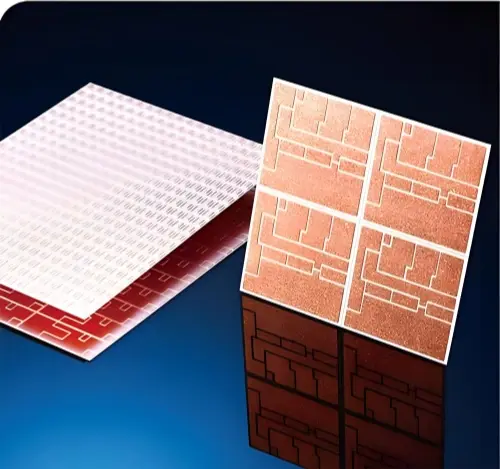
Điều này bao gồm các vật liệu nền gốm và bảng mạch lõi kim loại. Chúng có các đặc tính đặc biệt phù hợp cho các ứng dụng yêu cầu hiệu suất vật liệu cao hơn.
Ưu điểm và hạn chế của FR4
Kể từ khi tôi bắt đầu thiết kế mạch in (PCB), FR4 đã trở thành vật liệu bảng mạch tiêu chuẩn. Ban đầu, một số nhà thiết kế gọi mọi bảng mạch là “FR4” dù nó có phải là FR4 hay không. FR4 là một loại vật liệu composite epoxy gia cố sợi thủy tinh, có khả năng chống cháy, loại 4. Nó có chi phí hợp lý. Nó là một chất cách điện tốt. Nó có độ bền cao trong cả điều kiện khô và ẩm ướt. Nó cũng dễ dàng để gia công thành bảng mạch. Vì những lý do này, FR4 là lựa chọn phổ biến để sản xuất PCB.
FR4 có giới hạn. Nó có thể gặp vấn đề khi có quá nhiều công suất, điện áp hoặc nhiệt độ. Nếu bạn vượt quá giới hạn của nó, các tính chất điện môi của nó sẽ giảm. Điều đó có nghĩa là vật liệu sẽ mất khả năng cách điện và bắt đầu dẫn điện. Một vấn đề khác là duy trì trở kháng ổn định trong các thiết kế tốc độ cao. Hằng số điện môi của FR4 có thể thay đổi theo chiều dài và chiều rộng của bảng mạch. Khi tốc độ thiết kế tăng lên, mức tổn thất tín hiệu có thể chấp nhận được trên các bảng mạch tốc độ thấp có thể trở nên quá cao trên các bảng mạch FR4.
FR4 có phải là lựa chọn tốt nhất cho thiết kế mạch in tốc độ cao không?
Khi chúng ta nhận một dự án nằm ngoài vùng an toàn của mình, chúng ta sẽ khám phá ra những giới hạn mới. Đối với tôi, ngày đó đến khi sếp yêu cầu tôi... Bo mạch tốc độ cao. Tôi biết thiết kế tốc độ cao mang lại những giới hạn mà chúng ta không thấy trong các mạch thông thường. Đầu tiên, tôi đã thiết kế sơ đồ mạch phù hợp cho tốc độ cao. Sau đó, tôi tập trung vào việc liệu mẫu thử nghiệm tốc độ cao nên sử dụng FR4 hay một vật liệu chuyên dụng hơn. Trước khi đưa ra quyết định, lưu ý rằng văn bản này sử dụng thuật ngữ “tốc độ cao” cho bất kỳ thứ gì vượt quá 50 megahertz. Đây là những vấn đề liên quan đến vật liệu trong dải tần số đó.
Thiết kế tốc độ cao có các quy tắc nghiêm ngặt hơn về tính toàn vẹn tín hiệu. Bạn phải kiểm soát việc bố trí mạch một cách chặt chẽ để đáp ứng các quy tắc đó. Tuy nhiên, vật liệu của bảng mạch cũng là một phần của phương trình tính toàn vẹn tín hiệu. Do đó, vật liệu cho bảng mạch tốc độ cao nên có độ dung sai Dk chặt chẽ và các tính chất được kiểm soát khác để giúp kiểm soát trở kháng. Nếu trở kháng thay đổi trong thiết kế, các tín hiệu tốc độ cao sẽ phản xạ năng lượng trở lại khi di chuyển và tín hiệu sẽ bị biến dạng. Ngoài ra, hệ số tổn hao thấp giúp duy trì sức mạnh của tín hiệu. Cuối cùng, tính ổn định nhiệt giúp đảm bảo các tính chất điện môi không bị suy giảm.
So sánh vật liệu chuyên dụng tốc độ cao với FR4
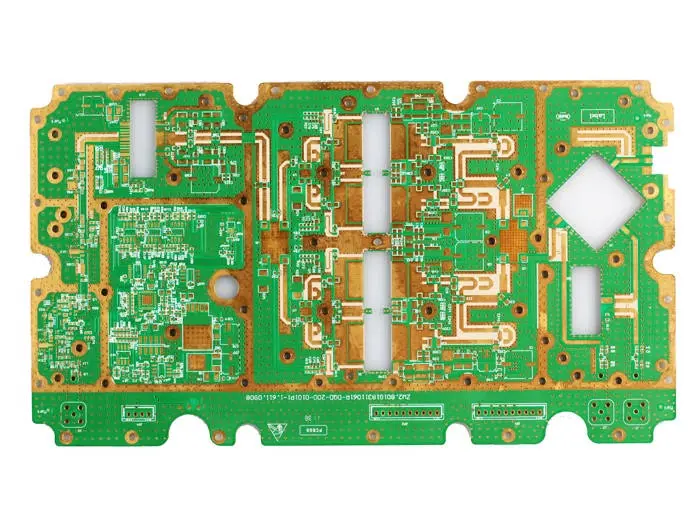
Các vật liệu tốc độ cao đặc biệt, như laminate hydrocarbon nhiệt rắn và laminate PTFE, thường mang lại hiệu suất tốt hơn và đáng tin cậy hơn trong các thiết kế tần số cao so với FR4. Dưới đây là một số lợi ích chính của các vật liệu này:
- Giảm thiểu mất tín hiệu. Khi tần số của đường truyền tăng lên, mức độ suy hao tín hiệu cũng tăng theo. Các vật liệu composite tốc độ cao có hệ số suy hao (loss tangent) thấp hơn nhiều so với FR4. Một số vật liệu, như composite PTFE gần như tinh khiết, có hệ số suy hao thấp hơn gấp mười lần. Hệ số suy hao thấp là yếu tố quan trọng trong việc giảm thiểu suy hao tín hiệu.
- Kiểm soát trở kháng chặt chẽ hơn. Các vật liệu truyền thống như FR4 không thể duy trì hằng số điện môi (Dk) một cách chính xác như các vật liệu tốc độ cao. Hằng số điện môi (Dk) của FR4 có thể dao động trong khoảng ±10% hoặc hơn. Các vật liệu như PTFE có thể duy trì hằng số điện môi (Dk) trong khoảng ±2% hoặc tốt hơn.
- Quản lý nhiệt tốt hơn. Một số loại vật liệu composite tốc độ cao (ví dụ: vật liệu composite hydrocarbon nhiệt rắn) có độ dẫn nhiệt tốt hơn nhiều so với FR4. Nếu thiết kế của bạn cần quản lý nhiệt, các loại vật liệu composite này đáng để nghiên cứu.
- Giảm khả năng hấp thụ độ ẩm. Nước có tác động điện môi. Ngay cả lượng ẩm nhỏ trong bảng mạch in (PCB) cũng có thể làm thay đổi hiệu suất điện của các mạch tần số cao. Mặc dù văn bản cho biết khả năng hấp thụ ẩm của FR4 gần 50%, một số vật liệu tốc độ cao (ví dụ như một số tấm laminate PTFE) có thể có khả năng hấp thụ ẩm thấp hơn nhiều, gần 2%, và điều này giúp duy trì hành vi điện ổn định.
- Độ ổn định kích thước cao hơn. Các thiết kế mạch in dày đặc, tốc độ cao đòi hỏi kiểm soát kích thước chặt chẽ. FR4 được biết đến với độ ổn định kích thước tốt, nhưng một số vật liệu tốc độ cao khác cung cấp hiệu suất tổng thể tốt hơn cho các thiết kế có dung sai nghiêm ngặt. Trong trường hợp này, các tấm laminate hydrocarbon nhiệt rắn có thể là lựa chọn tốt hơn.