
Low Volume PCB
Assembly Services
Small runs that keep your product moving.
FLJ PCB combines board fabrication, component sourcing, SMT and through-hole assembly for your small production runs. We connect manufacturing with inspection, programming and product-specific testing, so your team can bring a new product to market or continue supplying an established one.
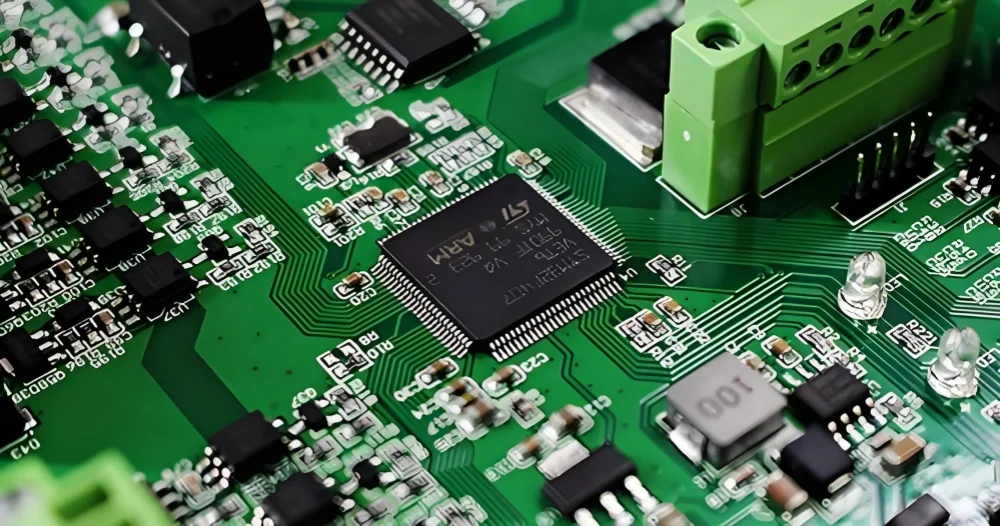
Bring the work together around the product you need to deliver.
Small-Batch Assembly for Launches and Ongoing Production
Low volume PCB assembly produces smaller batches of populated circuit boards. It can support an initial product release, a specialist application or regular replenishment. The useful batch size follows your product and demand; there is no single piece count that defines every low-volume order.
Start production
Build the first production batch for a product launch or limited market release. FLJ coordinates materials and assembly around the configuration you want to deliver, helping your team move from engineering samples into product supply.
Serve specialist demand
Industrial controls, instruments and other specialist products may remain low volume throughout their life. Our small-run service supports that continuing manufacturing need, including the through-hole parts and product-specific work the assembly requires.
Replenish as demand develops
Discuss further batches as orders arrive or product variants change. Smaller purchasing commitments can help control finished-board inventory while keeping a path open for the next production run.
Still evaluating the circuit or testing a new revision? Our prototype PCB assembly service focuses on engineering samples and design iteration. For unpopulated boards, explore low-volume PCB manufacturing.
Low-Volume PCB Assembly Capabilities
A small order can still contain a complex board, a demanding component mix and several finishing steps. FLJ brings the manufacturing resources together so the service follows your design.
| Work area | FLJ service | Value for the build |
|---|---|---|
| Assembly technologies | SMT, through-hole and mixed-technology assembly. | Combine surface-mount devices, connectors and other leaded parts in one manufacturing route. |
| Package and process preparation | BGA and other surface-mount packages, with the relevant printing, soldering and inspection preparation. | Account for package geometry and access to hidden connections. |
| Bare PCB supply | PCB fabrication coordinated with assembly. | Connect board construction, panel handling and the populated-board process. |
| Component supply | Turnkey, partial-turnkey and customer-supplied arrangements. | Bring the materials you already hold into the project, or ask FLJ to coordinate purchasing. |
| Inspection resources | SPI, AOI and X-ray within the build’s inspection plan. | Check paste deposits, visible assembly features and selected hidden joints. |
| Programming and testing | Offline and in-circuit programming, ICT and functional testing to product requirements. | Prepare assemblies with the firmware and manufacturing checks needed for delivery. |
High-Mix Assembly for Product Families
Bring several board designs or assembly variants into one manufacturing discussion.
High-mix production involves different products or configurations, often in smaller quantities. FLJ reviews the board designs, BOMs and component combinations together, then connects each build with its material and process preparation.
Related variants may share parts or tooling. Our engineering review considers where preparation can be shared and where a different package, board side, soldering condition or inspection program calls for a separate setup. This helps organize the work while keeping each configuration identifiable.
High mix describes the product variety. Mixed-technology assembly describes the combination of processes such as SMT and through-hole soldering. Your project can involve either or both.
From Components to Finished Small-Batch Assemblies
Our engineering, procurement and production teams prepare the work before the batch reaches the line. The route connects your materials with the assembly and verification the product needs.
- 01
Engineering and material preparation
We review the manufacturing files and selected configurations, coordinate PCB fabrication and check component availability. Questions affecting the build are resolved alongside the material plan. A long-lead component or special board construction can set the delivery date even when the assembly quantity is small.
- 02
Tooling and production setup
The team prepares the stencil, placement data, feeders and board support needed for the design. Initial assembly checks connect the actual setup with the intended component population and orientation.
- 03
SMT and through-hole assembly
Solder-paste printing, component placement and reflow form the surface-mount assembly. Through-hole and manual soldering resources complete the leaded parts and other work specified for the board.
- 04
Inspection, programming and test
Process and assembly checks review the manufactured result. Where included, firmware loading and electrical or functional tests prepare the PCBA for its intended delivered condition.
- 05
Packaging and batch handover
Finished assemblies are prepared for shipment with the agreed identification and records. The manufacturing information also gives the next order a reference for discussing changes.
Quality Support Across Small Production Runs
Your small batch needs a consistent manufacturing basis. We connect the production configuration, inspection route and specified tests so the delivered assemblies can be related to the work performed.
Check the setup before repeating it
Initial assembly checks review the component choices, placement, polarity and workmanship against the released information. A finding at this stage can lead to a process correction before the same issue is repeated across the batch.
Use complementary inspection methods
SPI reviews solder-paste deposits, AOI checks visible assembly features and X-ray supports inspection of selected hidden connections. FLJ applies these resources to the board and package risks identified in the manufacturing plan.
Connect testing with the delivered configuration
Programming and functional testing relate the assembled board to its firmware, connections, inputs and expected responses. For repeat production, the relevant test procedure and results provide a basis for comparing like configurations across batches.
We review which checks belong in the quoted scope and what records will accompany the assemblies. Workmanship inspection and a product’s functional checks address different aspects of the build.
Explore PCB and PCBA testing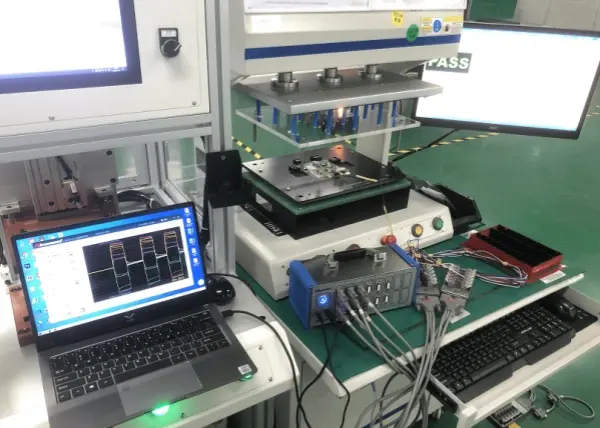
Small-Batch Cost Planning for Your Product
The board count is one part of the quotation. FLJ reviews the preparation, materials and work on each assembly so you can discuss the batch size and service scope together.
Engineering and tooling
A new design can need a stencil, placement and inspection programs, board support, programming arrangements or a test fixture. These activities prepare the production method, even when the order contains only a small number of boards.
Materials and setup
Each run needs the correct material kit and production setup. Component packaging and supplier order quantities can make purchased quantities different from the parts consumed in that batch. We connect those purchasing commitments with the quotation.
Assembly and verification
Placement, soldering, manual operations, programming, test execution and packaging contribute to the work on each unit. A long functional sequence can be a meaningful part of the cost even when the component count is modest.
Plan test investment across compatible repeat builds
A fixture can make board positioning and electrical connection more repeatable and reduce repeated manual connection work. It also requires design, manufacture and debugging. We review that preparation alongside its expected use across compatible repeat batches, likely product revisions and the time needed to load, test and unload each board.
Reuse preparation where it still fits
An unchanged design may allow existing tooling and programs to be used again. A layout, package, firmware or test change can require an update. Reviewing those differences helps avoid paying to recreate suitable preparation or assuming that an old setup still applies.
Smaller batches can reduce the number of finished assemblies you commit to at once. The unit price still reflects setup, purchasing and verification; the practical choice balances those costs with your demand and inventory needs.
Support for Repeat Orders and Product Changes
When you need the next batch, FLJ can review the previous manufacturing information alongside your current demand. Our team connects what stays the same with the materials, process or tests that need attention.
Repeat the existing configuration
We compare the order with the previous build and review current component availability, tooling and test preparation. Existing manufacturing information gives the discussion a practical starting point for the next schedule and quotation.
Introduce an updated product
A revised BOM, layout or firmware can affect more than the changed item. Engineering review identifies the relevant assembly instructions, placement or inspection programs, tooling and test steps to update before the next run.
Discuss materials already available
If you have retained or customer-supplied parts, we review their identity, quantity and suitability for the next configuration. Packaging, storage and exposure conditions also matter for moisture-sensitive components. Ownership, handling and any continued storage are arranged for the project.
Tell us which version you want to order and what has changed since the last build. Our ordering and delivery guidance explains the wider order process; detailed purchasing responsibilities are covered in turnkey assembly.
Why Work with FLJ PCB?
FLJ PCB is the manufacturing brand of Shenzhen Philifast Electron Co., Ltd. We bring fabrication, purchasing, assembly, programming and testing into one manufacturing conversation for your small production orders.
One team across the build
PCB and component questions can be considered alongside the assembly process. This reduces the coordination your team would otherwise handle between separate board, procurement and assembly contacts.
Meet FLJ PCBSMT and through-hole resources
Our production resources include seven SMT lines with Yamaha YRM20 placement equipment, two DIP lines and two manual soldering lines. These resources support different component mixes within a coordinated manufacturing route.
Explore the factory and equipmentInspection and product preparation
SPI, AOI and X-ray provide views of the assembly at different stages. Offline and in-circuit programming, plus product-specific tests, extend the work toward the condition needed for product integration.
Review assembly resourcesRequest a Low-Volume PCB Assembly Quote
Tell us what you need to build now and whether you expect further batches.
Send the board files, BOM and assembly information you already have, along with the quantity, board variants and desired delivery. You can also include any programming or test information and identify components you plan to supply.
If some details are still developing, start with the available files. Our team will follow up on the information needed to review the manufacturing work and prepare your quotation.
Assembly file guideLow-volume assembly questions
How many boards count as low volume, and what is the MOQ?
Low volume describes a smaller production requirement rather than a universal piece count. Send your intended quantity and design to FLJ; we will review the feasible manufacturing and purchasing arrangement for that order, including any minimum quantities affecting the quotation.
Can I order recurring small batches of an established product?
Yes. Small production runs can support ongoing product demand as well as initial launches. Our team reviews the build configuration, current material availability and preparation for each repeat order.
Can one project include several board variants?
Yes. Share the designs or configurations and the quantity needed for each. We review the material combinations, applicable processes and verification needed to organize the work for the product family.
Is a dedicated test fixture worthwhile for a small batch?
It depends on the required checks, board access, test time and expected use across compatible repeat batches. FLJ can review the fixture and program preparation alongside the work needed to test each board, rather than deciding from the first batch quantity alone.
Technical background used in this page
The manufacturing explanations draw on Yamaha’s SMT setup guidance, Keysight’s test fixture and manufacturing test considerations, and TI’s component storage guidance. They explain general engineering considerations; the FLJ service scope is established for your project.