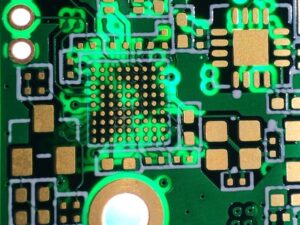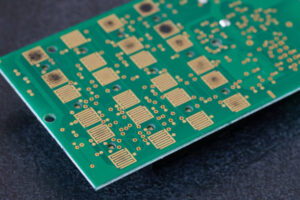
OSP vs ENIG: Choose a PCB Surface Finish for SMT, Storage and Rework
Choose OSP or ENIG around assembly timing, storage, handling and rework, and state the finish revision and evidence needed for the released board.
PCB manufacturing & turnkey assembly · Shenzhen, China
FLJ PCBManufacturing your next ideaFLJ resources
Practical guides to PCB design, materials, manufacturing and assembly. Explore the details that matter before your next build.
Showing 1–10 of 112 articles

Choose OSP or ENIG around assembly timing, storage, handling and rework, and state the finish revision and evidence needed for the released board.


Match ICT, flying probe and functional test to the faults, access and evidence your product needs, then request a revision-controlled test record.

Compare turnkey, consigned and mixed sourcing by the same build scope, then assign purchasing, shortages, substitutions and leftover inventory clearly.

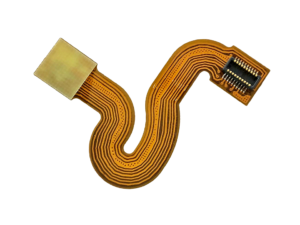
Specify the actual flex path, bend duty, stackup and assembly sequence instead of relying on a generic radius multiplier for every design.

Choose an assembly class, distinguish it from bare-board requirements, freeze the standard revisions and make inspection evidence and deviations quoteable.

Learn what a BGA X-ray can show, how to review the image and report, and which acceptance decisions still need electrical or engineering evidence.

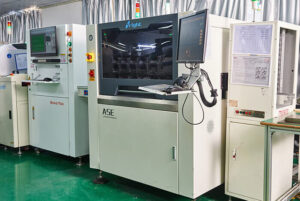
Learn to read SPI volume, height, area and offset, investigate print patterns, and validate solder-paste inspection limits without masking defects.

Check PCB BOM revisions, exact MPNs, DNP variants and approved alternates. Resolve sourcing exceptions and preserve a traceable as-built configuration.

Compare dogbone fanout, through-vias and microvias for BGA layouts. Understand via filling, copper caps, soldering risks and what inspection can prove.

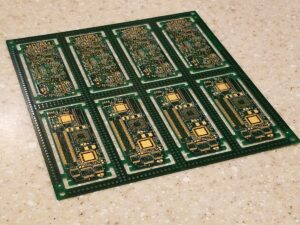
Design an SMT-ready PCB panel with practical guidance on rails, fiducials, V-scores, tabs, board support, depaneling stress and release files.