
Turnkey PCB Assembly Services
One coordinated build. Clear purchasing responsibilities.
Turnkey PCB assembly combines agreed PCB fabrication, component purchasing and assembly in one manufacturing work package. FLJ PCB coordinates those activities around your approved design, with programming, inspection and testing defined for the product you need.
Choose full turnkey, or supply selected boards and components through a partial-turnkey arrangement. We help connect your parts list, purchasing decisions and assembly requirements before the build proceeds.
Start with your available files. Tell us which materials you hold and which decisions are still open.
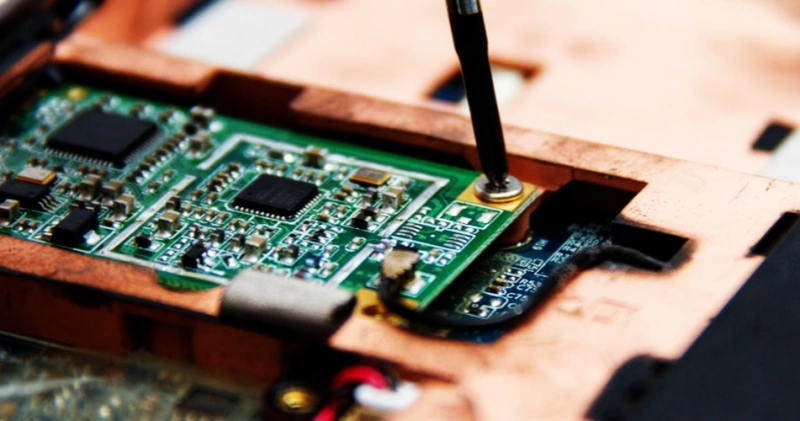
Full and partial turnkey share the same need for an approved configuration and defined acceptance.
Full or partial turnkey: decide who supplies what
The useful distinction is who supplies the boards and each component. Purchasing responsibility, design approval and test preparation should each be visible.
Coordinate board and component purchasing with FLJ
FLJ arranges the agreed bare-board fabrication and purchases the specified components for assembly. This suits a team that wants one manufacturing contact to coordinate the material kit and build.
Use your selected materials within a coordinated build
You provide identified boards or components, while FLJ sources the remaining agreed items. This can suit a project with special ICs, existing inventory or a material you want to purchase yourself.
| Work or decision | Full turnkey | Partial turnkey |
|---|---|---|
| Bare circuit boards | FLJ coordinates the agreed fabrication. | FLJ coordinates fabrication, or you supply the identified boards. |
| Components for assembly | FLJ purchases the agreed BOM items. | You supply the marked items; FLJ purchases the remaining agreed items. |
| Design and substitutions | You approve the design and purchasing exceptions; FLJ raises questions and proposed options. | The same approval responsibilities apply to both purchased and supplied items. |
| Firmware, fixtures and test requirements | You provide or agree the requirements. FLJ reviews the preparation and work to be quoted. | The requirements and preparation are agreed independently of who supplies the components. |
| Assembly and delivery | FLJ carries out the agreed assembly and verification scope. | FLJ carries out the agreed scope with the combined material kit. |
Scroll across the table to compare both arrangements.
Where consigned assembly differs
When you provide the complete agreed board and component kit, the arrangement is consigned assembly. Partial turnkey combines customer-supplied materials with supplier purchases. In every arrangement, identify the material owner and the work to be performed.
Explore the wider PCB assembly serviceAgree the BOM and purchasing rules before parts are ordered
A specified part, a suggested alternative and an approved alternative have different statuses. Keep that distinction clear so sourcing follows your design decisions.
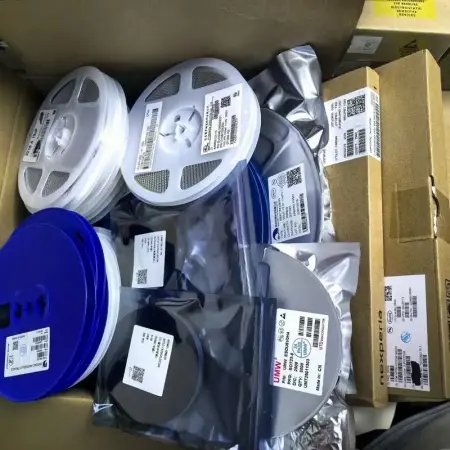
Tell us which purchasing conditions matter
Share the manufacturer part numbers, approved alternatives and any required manufacturers or supply channels. Point out items that must remain unchanged, and identify the components you will provide.
For source-sensitive work, explain the supplier documentation or traceability information you need. We can review those requirements with the quotation and discuss any sourcing exception.
Name the person who can authorize a change
If a specified item is unavailable or offered under different supply conditions, the next step is a purchasing and engineering decision. Any proposed substitution is discussed with you before it changes the approved build.
Your design team confirms suitability. Depending on the device, that may include package and pin functions, operating voltage, timing, temperature requirements, firmware and the checks needed to validate the change.
Identify the BOM revision, any approved exceptions, the material responsibilities and unresolved items. A suggestion awaiting review should remain visibly open.
BOM and component handoff guidanceResolve shortages without silently changing the build
When one item cannot be supplied as planned, compare the available paths with the design, validation effort and requested delivery. A lower component price alone does not settle that choice.
A key IC is unavailable from the approved source. Your PCB is ready, but the material kit is incomplete.
the selected item or supply route, who approved it, affected files or tests, and any change to the quotation or schedule.
Technical background: NXP guidance on MCU migration explains why hardware, software and testing need consideration together. Urgent delivery planning is covered in our quick-turn assembly guidance.
Compare the complete turnkey quotation
Compare quotations for the same board version, assembled quantity and delivered condition. Separate what will be purchased from what will be fitted and what preparation the order requires.
Boards and assembly
Confirm the bare-board specification, assembly version, finished quantity and any different fitted configurations.
Purchased components
Identify the quoted parts, source or packaging assumptions, purchasing quantities and customer-supplied items.
Manufacturing preparation
Clarify stencil and setup work, material preparation and other non-recurring engineering costs—often called NRE.
Programming and verification
Specify firmware loading, fixture or test-program preparation, the agreed inspection and test work, and required records.
Additional finishing and delivery
Confirm coating or integration, identification, protective packing, freight and applicable taxes or duties.
Keep the quotation assumptions visible
Ask which work is included, separately priced or still to be confirmed. Clarify quote validity, the availability used for pricing, and whether stock is reserved. Discuss any purchasing commitment or cancellation condition before authorizing the buy.
Connect purchasing with the delivery plan
PCB fabrication and procurement can be planned together, while assembly readiness depends on the approved materials and resolved engineering questions. Confirm the current plan when the supply arrangement changes.
Ordering and delivery guidanceConnect purchasing approval with assembly and acceptance
The agreed materials and manufacturing information should describe the assembly you expect to receive. FLJ reviews the build requirements with the purchasing plan so open decisions can be addressed before they affect production.
- 01
Identify the released build
Connect the board files, BOM, placement information and drawings with the selected revision. Record approved changes and the person responsible for any remaining decision.
- 02
Confirm material and manufacturing readiness
Review purchased and customer-supplied items as one kit. Resolve the preparation needed for the actual boards and packages, and agree any first-build review or customer approval point.
- 03
Verify the agreed delivery
Specify workmanship requirements, programming and electrical or functional checks. Connect the firmware, fixture and pass limits with the approved configuration, and identify the records your receiving team needs.

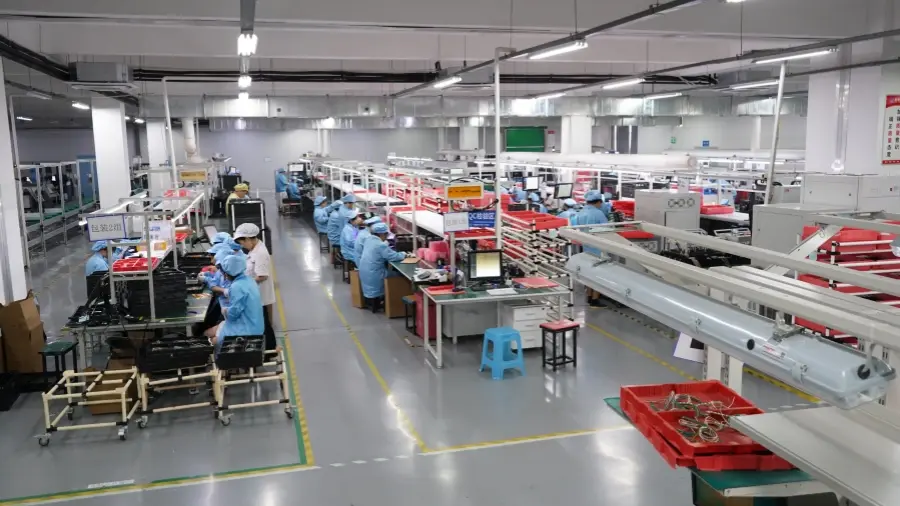
Review the resources relevant to your order
FLJ PCB is the manufacturing brand of Shenzhen Philifast Electron Co., Ltd. Review the board and package conditions, production resources and current certification scope alongside the quoted assembly.
Reconfirm the supply plan for repeat orders
An unchanged BOM does not guarantee unchanged purchasing conditions. Before a repeat build, connect the current order with the materials and approvals that still apply.
Review revisions and repeat ordersRecheck availability and approved changes
Confirm the current BOM, permitted sources, approved alternatives and finished quantity. Earlier prices or an exception approved for one build may need review for the next order.
If the design changes after parts have been purchased, identify which commitments, materials and preparation are affected. Review those consequences before assuming the previous quotation still covers the revised assembly.
Check the actual condition of previously purchased stock
Confirm the remaining part identity, quantity and storage arrangement. For moisture-sensitive devices, packaging labels, opening and exposure history, and storage conditions can affect preparation for assembly.
Material that appears in an inventory record still needs to match the new build and its handling requirements. Review reuse, return or continued storage as part of the next order.
Technical background: TI’s customer product shelf-life guidance.
Start a turnkey review with the information you have
Send your current board files, BOM and assembly information, plus the quantity and desired delivery. Identify any parts you will supply and any sourcing or substitution requirements.
Describe the condition you want delivered: assembled boards, programmed and tested PCBA, or additional finishing. Mark unresolved items so we can discuss the information needed for the quotation and purchasing approval.
Your existing documents are useful starting points. You do not need to reorganize them to match a template.
Turnkey PCB assembly questions
Confirm the purchasing conditions with the order so an open issue becomes an agreed decision.
What happens if a quoted part sells out before purchasing?
We review the affected item and the current supply options with you. A quoted price or availability assumption does not by itself establish a stock reservation. Confirm any revised price, permitted source or alternative, and schedule impact before approving the changed purchase.
How should unused purchased components be handled?
Agree their ownership and disposition with the quotation or order. Identify the expected unused quantity and whether it will be returned, stored or considered for a later build. Confirm any related fees and handling requirements rather than assuming a standard arrangement.
Can I revise the BOM after component purchasing has been approved?
A revision can be reviewed, but its effects depend on what has already been purchased or prepared. Identify the changes and review material usability, supplier cancellation conditions, manufacturing preparation and verification. Confirm the revised cost and delivery before proceeding.
Are firmware loading and test-fixture development included in the assembly price?
They should be identified in the quoted scope. Firmware loading, fixture development, test-program preparation and running the tests are different activities. Share the required files, interfaces and procedures, then confirm which activities are included or priced separately.
Does specifying a component source require partial turnkey?
No. You can specify permitted manufacturers or supply channels while asking FLJ to coordinate the purchase. Partial turnkey applies when you provide selected materials yourself. The permitted source and the person responsible for buying the item are separate decisions.
Discuss your turnkey PCB assembly project
Send your available files and tell us what you want FLJ to source, what you will supply and what the finished assembly needs to do. Our team will review the project and follow up on the purchasing and manufacturing details.
Attach your files and optional scope sheet in your email application.