
PCB & PCBA Testing Resources
Check the features that matter to your product. Our inspection and testing resources connect assembly workmanship, hidden solder joints, electrical checks and agreed operating functions with a practical verification plan.
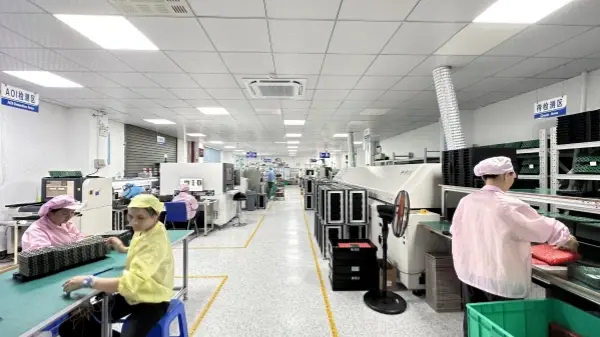
Inspection and testing answer different questions
Inspection reviews physical features of a board or assembly. Electrical testing checks specified connections or circuit behavior. Functional testing verifies the operating tasks defined for the product. A useful plan combines the methods that address your design.
Not every board needs every method. Our engineering and quality teams can help connect the package mix, circuit access and product risks with the checks that provide useful information.
| Method | What it helps evaluate | Project preparation |
|---|---|---|
| SPI | Solder paste deposits before placement | Printing setup and relevant inspection settings |
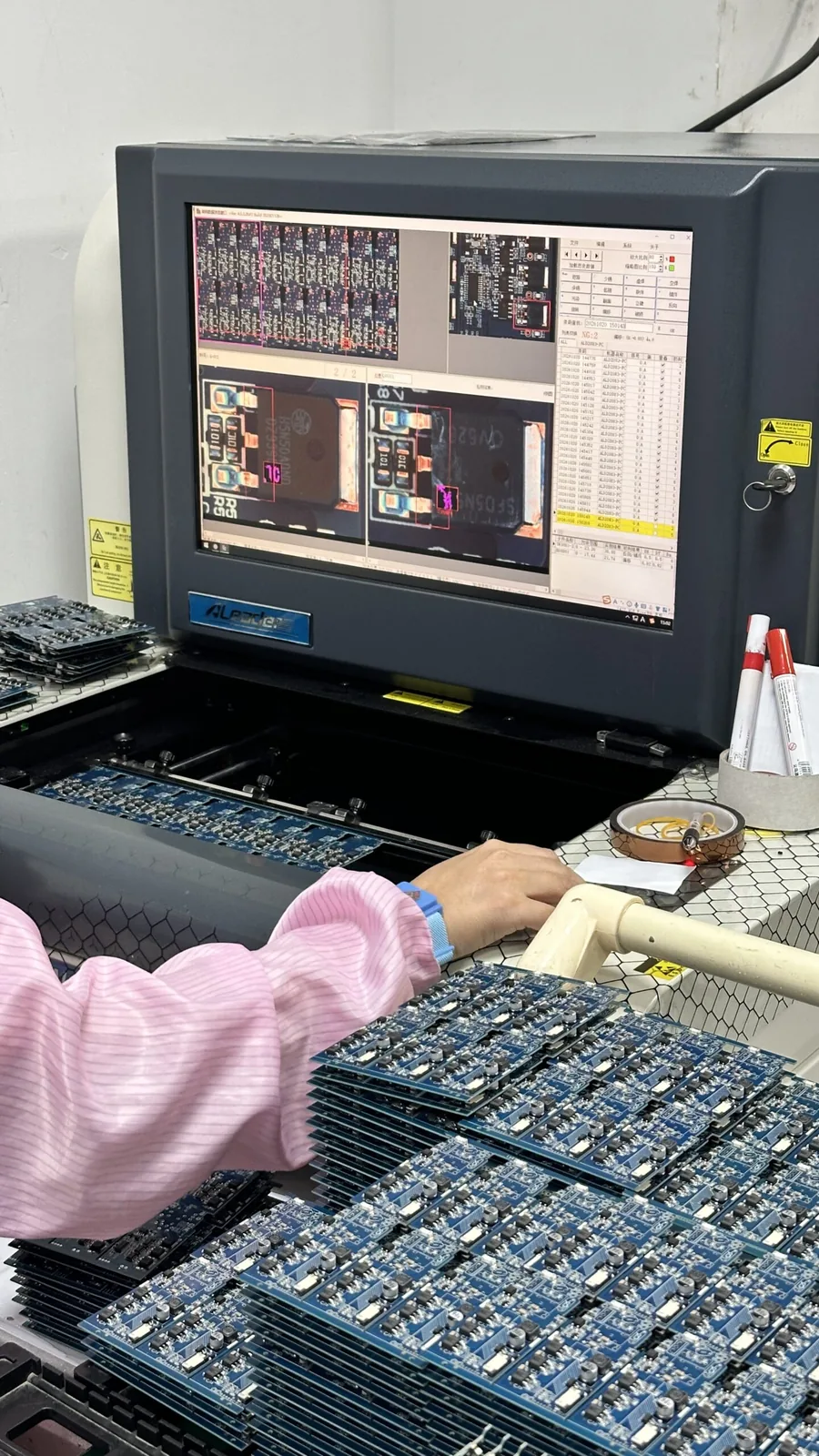
| AOI | Visible component and solder features | Assembly references and inspection criteria |
| X-ray | Selected hidden solder joints | Relevant packages and inspection scope |
| ICT | Specified electrical circuit checks | Test access, fixture and test definition |
| Functional test | Agreed operating behavior | Firmware, interfaces, equipment and pass/fail limits |
| Environmental test support | Behavior under defined conditions | Test specification, sampling and reporting arrangement |
Paste, optical and hidden-joint inspection
3D SPI reviews paste deposits before placement, providing feedback to the printing process. AOI supports review of visible assembly features after the relevant production stage. These methods help connect process preparation with physical workmanship.
X-ray supports selected inspections beneath packages such as BGAs, where solder connections are concealed from a direct view. The inspection approach depends on the package geometry and the question being evaluated; it complements the other checks in the plan.
For a new design, first-article review can also confirm component identity, orientation and assembly details. We discuss the review scope and any customer approval point before the remainder of the production quantity.
Electrical and functional testing
In-circuit testing can check specified circuit conditions when the design provides suitable access and a practical fixture arrangement. Functional testing exercises the product’s intended functions through its relevant interfaces and operating conditions.
A functional test might cover power-up, communication, an input/output response or a customer-defined sequence. These are examples of possible test tasks; the actual procedure and acceptance limits come from the product discussion.
Send an existing test procedure, fixture concept or description of what you want to verify. If the plan is still being developed, we can review test access, interfaces and equipment needs with your engineering team rather than asking for a completed procedure before the conversation starts.
Programming as part of verification
IC programming can be coordinated with assembly and testing. The released firmware, programming method and version identifier connect the physical assembly with the intended software configuration.
Offline or in-circuit programming is selected around the component and board access. Discuss the programming interface, available tools and any security or serialization steps your product uses. The agreed programming and verification steps can then become part of the manufacturing instructions and reporting plan.
Plan the measurements and reporting
Share a test procedure if you have one, or explain the behavior you want checked. We can help review the instruments, fixture, reporting and practical next step.
| Review area | What we discuss | Build context |
|---|---|---|
| Electrical measurements | Voltage/current range, probe access and fixture | Matched to board design and agreed test program |
| Temperature or environmental evaluation | Conditions, duration, sample quantity and acceptance | Review the test arrangement and where it will be performed |
| Assembly inspection | Relevant package, visible/hidden joint and criteria | Choose optical, X-ray or other suitable methods |
| Test output | Build revision, results and agreed supporting records | Connect reports with the item delivered |
Environmental tests and useful reports
Our published factory scope includes aging, temperature, humidity and drop-testing support by arrangement. These activities are planned around the customer’s specification, including conditions, duration, sample quantity and the result to be recorded.
A production test and a product qualification test may have different objectives. We discuss the intended purpose and arrangement so the test scope fits the decision your team needs to make. The factory testing resources described here support manufacturing verification; they are not presented as an independently accredited laboratory.
Inspection and test reports should identify the relevant product configuration and agreed results. Tell us what your receiving or quality team wants to see so the reporting format can be reviewed alongside fixtures, firmware and the production plan.
Frequently asked questions
Can you help us develop a PCBA test approach?
Yes. Send the available circuit information and describe the functions you want to verify. We can discuss test access, interfaces, fixtures and a practical procedure with your engineering team.
Does X-ray inspection replace functional testing?
No. X-ray provides information about selected hidden physical features. Functional testing checks the operating behavior defined for the circuit or product.
Can environmental testing be included?
We can discuss aging, temperature, humidity or drop-testing arrangements against your test specification. Share the purpose and conditions so the method, samples and reporting scope can be reviewed.
Explore related capabilities
Let’s review your next build
Send your available board files, drawings or project questions. Our team will review the information and follow up with you about the next step.