
Medical PCB Manufacturing & Assembly
FLJ manufactures and assembles control, acquisition and interface boards for medical-device electronics, from bare PCB construction and component sourcing to programming and defined functional checks.
Discuss Your Medical Electronics
PCB Fabrication for Medical Device Electronics
Monitoring and diagnostic equipment combines sensing and signal processing with controls, displays and internal connections. FLJ fabricates the board structure that connects these functions: copper layers, plated interconnections, materials and the finished outline. Component placement and soldering then turn the bare board into a PCBA.
Acquisition and Signal-Processing Circuits
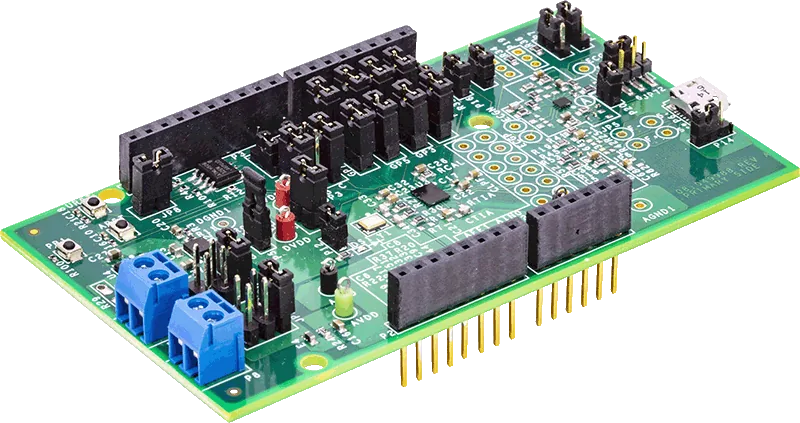
An acquisition board connects the sensing interface to front-end and signal-processing circuitry. The evaluation-board photo shows surface-mount circuitry together with headers and terminals for connecting the module to other hardware. These physical interfaces belong alongside the signal paths in the board design.
FLJ produces multilayer PCB interconnections for the designed paths between copper layers. Where dense component layouts need connections between nearby layers, HDI fabrication can provide microvia connections. Filled and capped via-in-pad can also provide a continuous pad surface for subsequent component assembly.
Control, Display and Internal Connections
Control and display boards connect switches, indicators, screens and the device’s other electronics. Their outlines and connector locations place those interfaces where the product needs them. FLJ fabricates the required board shape and layer connections, then assembles the specified controls and connectors as part of the PCBA supply.

Where a design combines rigid mounting regions with a flexible internal connection, rigid-flex construction joins those regions within the same board. This is a construction choice for the product’s geometry and connections; separate rigid boards remain another arrangement.
Assembling and Verifying the Medical PCBA
FLJ assembles the specified ICs, discrete parts and connectors into the medical PCBA using SMT, through-hole or mixed-technology assembly. Component identity, soldered connections and programmed configuration each affect what the supplied board contains and how it responds.
Specified Components and Board Handling
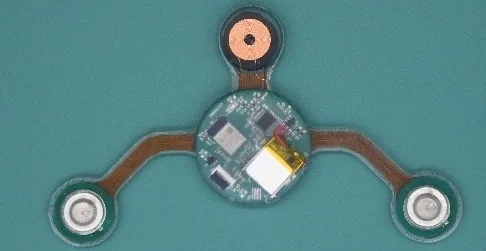
Component sourcing carries the approved manufacturer and ordering identity from the BOM into the parts prepared for placement. Package and reel or tray labels help connect those parts to the build. Moisture-sensitive components receive the applicable packaging and exposure handling before assembly.
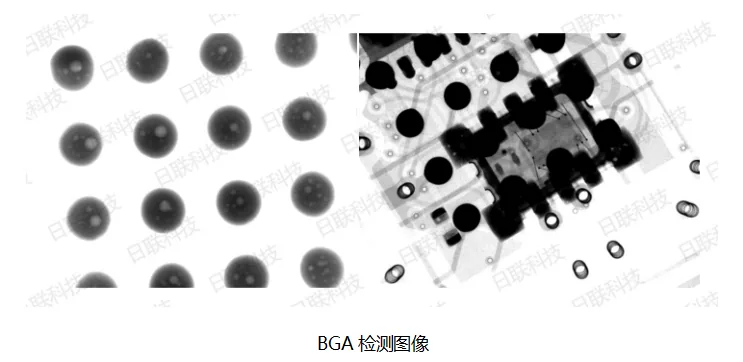
SMT placement establishes component position and polarity; through-hole parts and connectors are inserted and soldered where the layout requires them. Assembly inspection then examines placement and joint features. Visible features and concealed package joints call for different views, as the table below shows.
Programmed Electronics and Defined Checks
For programmed assemblies, FLJ loads the released firmware and device settings for the hardware. Specified unit data, such as a serial number or calibration value, can be included in that work. Programming verification checks the assigned write and readback requirements.
A powered functional check examines a different object: the board’s response to the defined supply, input or interface conditions. For a control or data connection, the test applies the specified conditions and compares the response with the product’s pass criteria. The result belongs to that function and test setup.
| What we examine | Manufacturing check | What the result shows |
|---|---|---|
| Visible component placement and solder features | Visual inspection or AOI | Position, orientation, and visible joint features against assembly requirements |
| Concealed package joints | Selected X-ray inspection where useful | Observable features of the inspected hidden joints |
| Defined powered function | Product-specific functional testing | Response to the applied conditions and stated pass criteria |
Manufacturing Evidence for Medical OEMs
Manufacturing records connect the supplied assembly with its build configuration, materials and checks. FLJ provides the record set and order, batch or unit-level identification agreed for the product. These links help an OEM investigate a finding and identify other assemblies that share a relevant configuration or material record.
- Build configuration
- The board revision, BOM, assembly instructions and applicable firmware and test versions identify what was built and which setup produced the recorded result. A hardware revision and a firmware change remain distinguishable in the build history.
- Material identity
- Material identifiers link the build to the relevant component and material records. When a material issue is investigated, that association helps identify the supplied assemblies connected with the same record.
- Inspection and test evidence
- Inspection findings, programming verification, functional-test results and delivery identifiers can form the assembly’s record set. Linking a result to the build and applicable test version gives it a defined context for later review.
FLJ’s manufacturing records and traceability process explains these build associations. For supplier qualification, review the current quality-system documentation, including ISO 13485 information and the applicable entity, site, activities and validity.