
Electronic Component Sourcing for PCB Assembly
One purchasing conversation. A connected PCBA build.
FLJ PCB sources the components specified for your PCB assembly. Manufacturer part numbers, supply channels, quantities and physical packaging determine what is purchased and what reaches the assembly line.
Our team coordinates procurement with PCB fabrication and assembly for prototypes and repeat builds. Send the BOM you use today, including any parts you will supply, so the material kit can follow the same board revision.
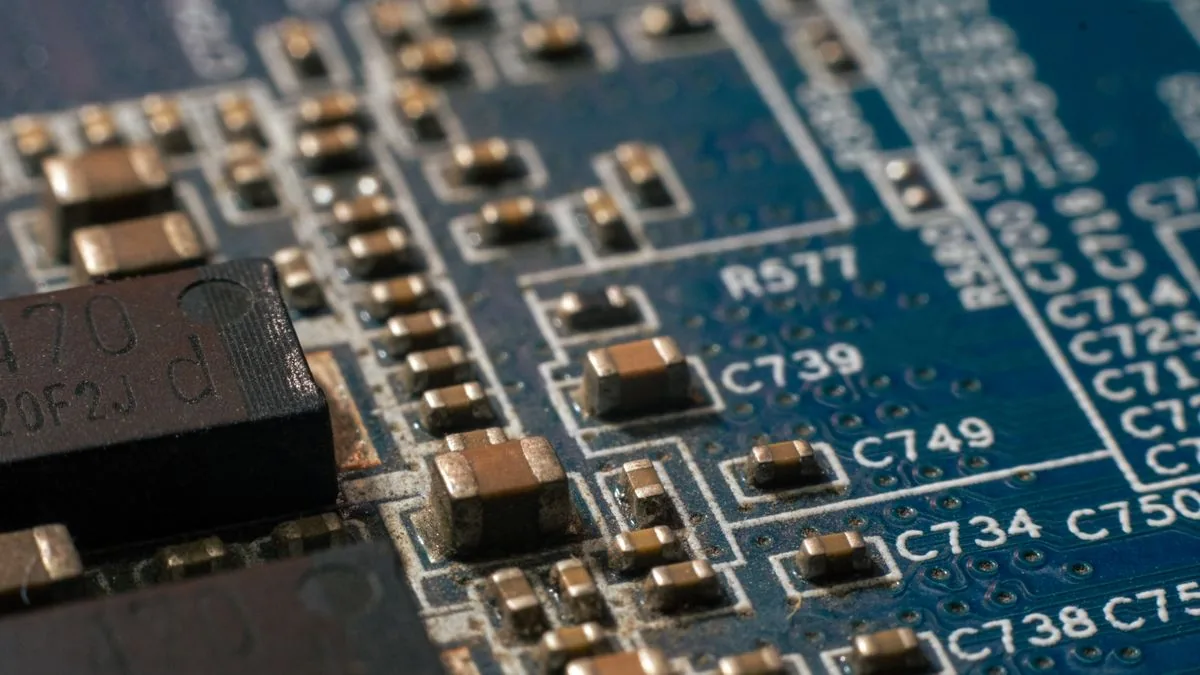
The Exact Part and Its Supply Evidence
FLJ sources through authorized distributors and manufacturer channels, including suppliers such as Digi-Key, Mouser and RS. The selected route, full ordering identity and relevant supply documents form the basis of the component purchase.
Keep the complete ordering identity
A family name can leave the package, grade or delivery option unresolved. The manufacturer’s ordering information defines the complete purchasable part. A suffix may describe packaging in one series and a different option in another, so it is interpreted against that device’s own ordering table.
Distributor order codes can distinguish cut tape, a full reel or another delivery presentation. Keeping that code alongside the manufacturer part number records both the selected device and how it is supplied.
Connect supply records and physical labels
Packaging labels, manufacturer information and supplier records connect received stock with the purchased item. An IC’s abbreviated top marking may not contain its complete ordering number; retaining the original package information preserves that connection.
Source-documentation, lot and date-code requests belong with the procurement scope. The records available and the incoming checks depend on the component and supply route. Visual appearance alone does not establish every aspect of authenticity or electrical performance.
Technical background: TI ordering, package and marking information. The cited example illustrates separate ordering fields; the selected device’s own information guides purchasing.
Availability, Lifecycle and Approved Alternatives
A component in the design library is not necessarily available in the quantity needed for the next build. Current supply, manufacturer lifecycle status and the requested production quantity answer different purchasing questions.
Relate supply to the build you are planning
Lifecycle status describes the manufacturer’s product stage. Procurement also needs actual stock or expected supply and delivery. A successful sample purchase does not establish availability for a later production batch.
Quoted availability can change before a purchase is confirmed. The purchasing basis is checked again when the order proceeds, and a changed supply condition is raised against the affected BOM line.
A difficult-to-obtain item is kept visible as a constraint on the complete kit. Purchasing another device is a separate decision from obtaining the specified device through another source.
Review a proposed alternative as an engineering change
FLJ can suggest an alternative and uses a replacement only after your approval. Your engineering team confirms the candidate against the product requirements: package and pin functions, electrical and temperature limits, and any timing or firmware implications.
A footprint or nominal value is only one part of that comparison. An MCU change can affect peripherals, programming and the tests used on the board. The approved part identity then carries into purchasing and the assembly information.
Our turnkey assembly page covers the wider supply responsibilities and purchasing arrangements. Technical context: NXP’s MCU migration considerations, a device-family example of why hardware and software need review together.
From Purchased Stock to an Assembly-Ready Kit
Tape, reels, cut tape, trays and tubes present parts differently to production. The material kit needs the correct device in a form that can be identified, handled and prepared for its assembly operation.
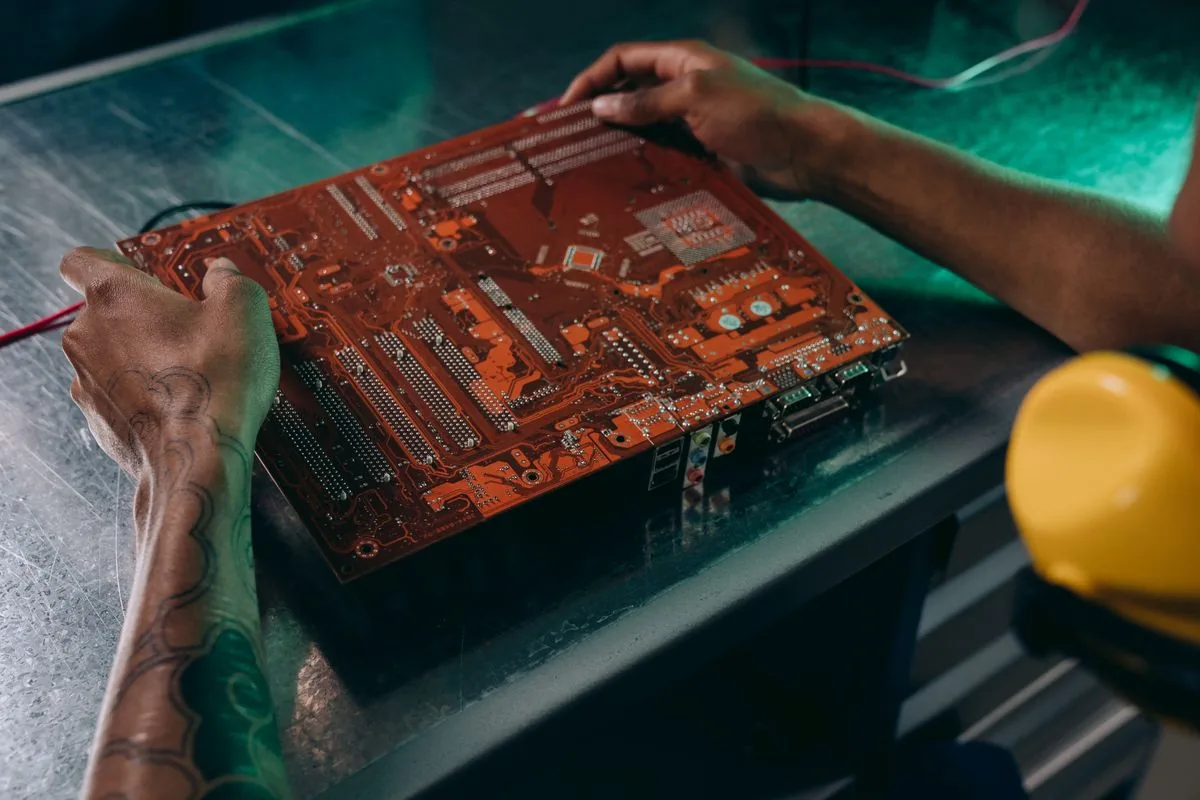
Match packaging with the manufacturing route
Feeder preparation, handling and available purchase quantities influence the useful packaging choice. There is no single preferred presentation for every part; the device package and manufacturing route determine what is suitable.
Offline programming adds an operation before placement. Programmed ICs must retain their identity as they move from the programming setup into the assembly kit, including any change in their physical presentation.
Carry the component information into receiving
Receiving relates component identity, quantity and packaging to the selected BOM revision. Original labels and protective packaging help keep purchased and customer-supplied parts identifiable while materials are prepared.
For moisture-sensitive devices, opening history and storage conditions can affect soldering readiness. Existing stock is assessed by its actual condition and handling requirements, not by quantity or date code alone.
Packaging background: DigiKey’s explanation of ordering codes and material presentation. Storage background: TI’s product shelf-life guidance.
- 01 / BOMSpecified device
Manufacturer and complete ordering identity
- 02 / SOURCINGPurchasing choice
Selected item, supply route and presentation
- 03 / RECEIVINGPhysical material
Labels, quantity and relevant material condition
- 04 / ASSEMBLYIntended build
Components connected to the assembly version
One material plan, connected to the board
FLJ PCB / Philifast combines purchasing, board fabrication and assembly in Shenzhen. Packaging changes, customer-supplied stock and approved substitutions can therefore be carried through the same material plan rather than left as separate supplier handoffs.
Our quality-control process explains the wider manufacturing checks. Acceptance and traceability covers the build records, while material compliance addresses RoHS, REACH and related document requests.
ICs, Passives and Customer-Supplied Components
An assembled board needs the complete component kit: ICs, passives, connectors and other specified devices. FLJ can purchase the full kit or source the lines that remain alongside customer-supplied materials.
Prototype quantities, order multiples and delivery packaging influence the purchase. In a repeat build, the same manufacturer ordering identity must remain tied to the current BOM rather than being replaced by an earlier quotation or a similar catalogue description.
ICs and selected devices
Controllers, interface devices, power components and other ICs are ordered by manufacturer and complete part number. The package option and specified grade remain part of that identity.
Passives and board connections
Passives and connectors need their values, ratings and physical form carried into the order. Their delivery presentation also matters when the kit is prepared for assembly.
Components you already have
Customer-supplied items and FLJ-purchased items share one material requirement: identifiable parts, usable quantity and packaging suitable for the manufacturing route.
Our turnkey assembly service explains full and partial supply arrangements in more detail.
Purchase Quantities and Supply Responsibilities
A purchasing plan separates the specified device, the supply offered and the decisions still open. That makes minimum quantities, packaging differences and a proposed engineering replacement visible before an order is placed.
01 / Identify the purchasing items
The BOM revision, full manufacturer part number and quantity identify each purchasing item. Reference designators tie that item to its board positions. Missing suffixes or conflicting descriptions are resolved against the intended part instead of being guessed at ordering.
02 / Review the available supply
Available quantity and expected delivery are checked for the specified device and supply route. A material constraint on one line can determine when the complete board kit will be ready.
03 / Coordinate the purchase
Minimum quantities, order multiples and supplier packaging affect the quantity to buy. Cut tape or a custom-quantity reel can sometimes provide a practical alternative to a full manufacturer reel; the selected presentation must still suit handling and assembly.
04 / Connect the materials with assembly
Purchased and customer-supplied materials are brought into the kit for the same assembly revision. Receiving identification and physical preparation carry the purchasing decision through to the parts fitted on the board.
What a sourcing discussion can resolve
Illustrative examples of questions a BOM sourcing review can resolve.
Swipe or scroll sideways to view the full sourcing table.
| BOM item | Sourcing finding | FLJ coordination | Purchasing outcome |
|---|---|---|---|
| Controller | A supply option has been identified | Review the full ordering code, quantity and expected availability | Selected item and delivery basis |
| Repeated capacitors | The device is offered in different purchasing presentations | Compare the available packaging with material quantity and assembly preparation | Packaging and purchased quantity |
| Connector | The specified item does not fit the requested timing | Raise the affected line and discuss the proposed sourcing response | Engineering review if a different device is proposed |
Your own BOM format is welcome. The BOM and component guide explains common fields; the procurement review puts that information to work for your project.
Send Your BOM for a Sourcing Quotation
Send your BOM, board quantity and target timing, and identify any parts already held by your team. Mark a source restriction, difficult-to-obtain item or proposed alternative against its BOM line.
An incomplete line can still be raised as an open question. We will identify the ordering, quantity or supply information needed to quote that part and prepare the material kit.