
PCB Assembly Services for Prototype and Production
Your board. The right components. A clearly defined assembly.
FLJ PCB connects component sourcing, PCB fabrication, SMT and through-hole assembly with the programming, inspection and testing your product needs. Choose a complete turnkey build or bring the boards and parts you already have.
Start with your available files or a project description. We will help clarify the next manufacturing step.
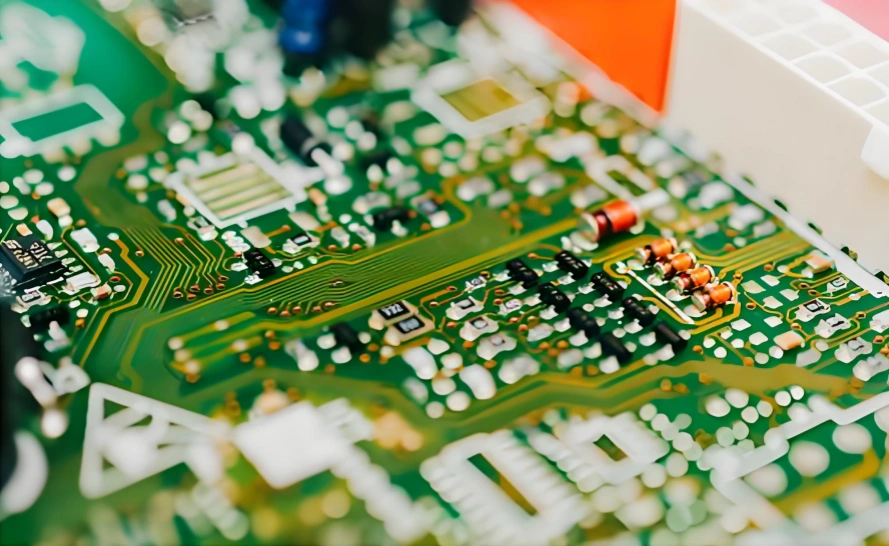
Assembly routes for your board and production stage
Printed circuit board assembly, or PCBA, adds electronic components to a bare circuit board. The component mix, mechanical requirements and intended use guide the manufacturing route.
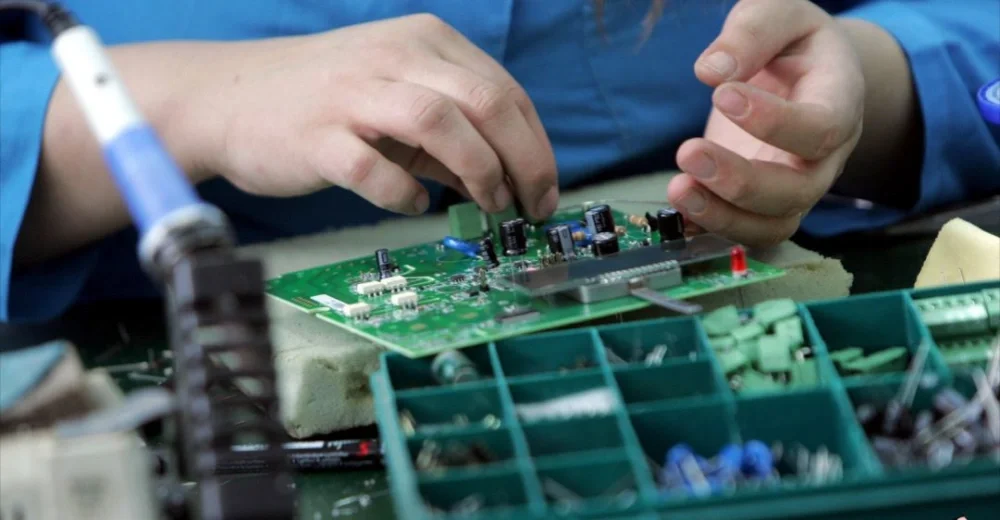
Surface-mount assembly
SMT fits components onto surface pads. Single- and double-sided boards, fine-pitch devices and packages such as QFN or BGA need placement, soldering and inspection preparation matched to the actual design.
Through-hole and mixed assembly
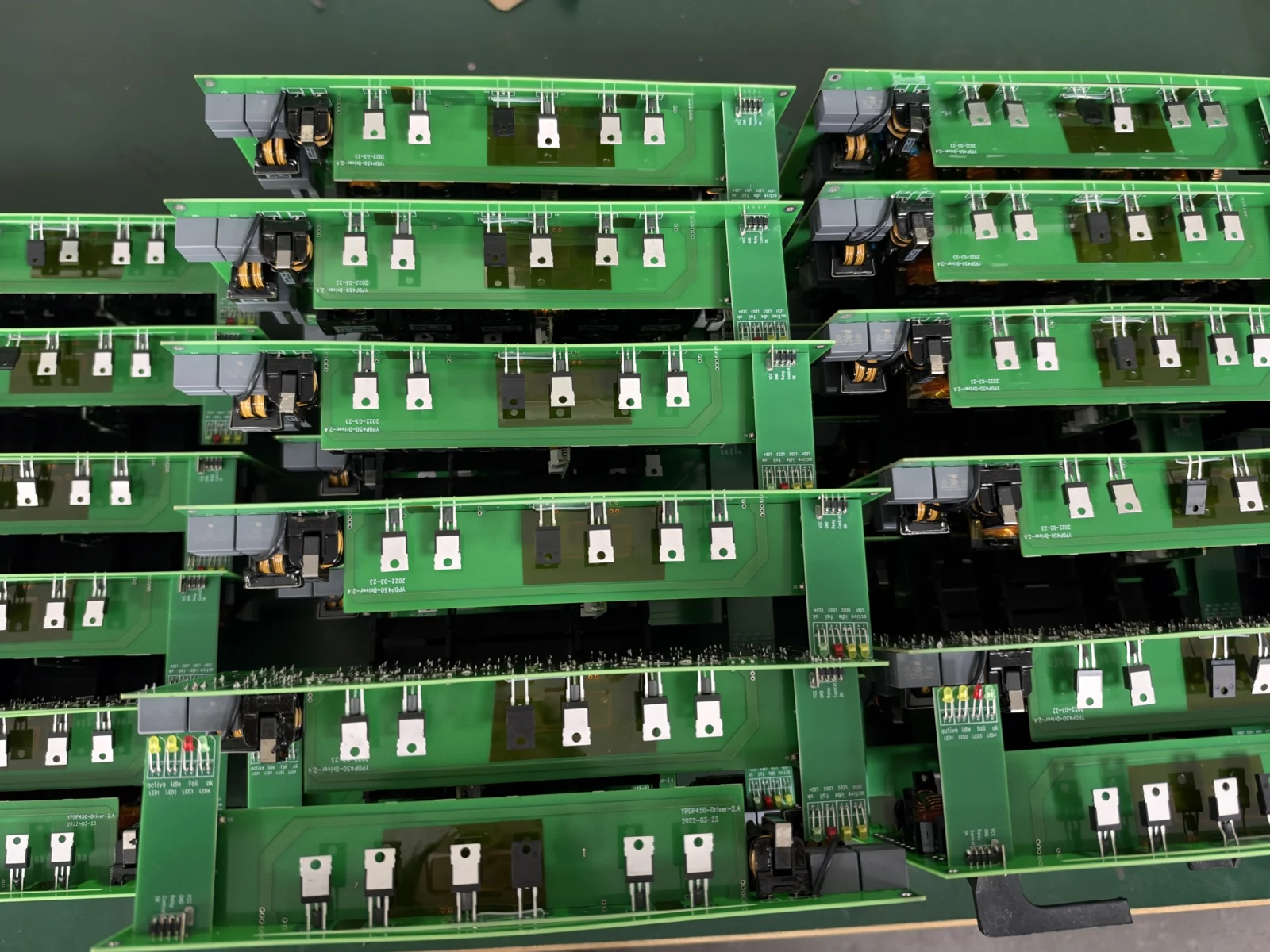
Connectors, transformers and other leaded parts can require through-hole work alongside SMT. Insertion access, mounting height and support for heavy components influence the soldering sequence and handling.
BGA is a package type used in surface-mount assembly. Its concealed solder joints add inspection considerations; they do not make it a separate alternative to SMT.
Review the board and package requirementsEvaluate an assembled design and identify the changes needed for the next revision.
Confirm the assembly instructions, first-build review and agreed acceptance before a wider run.
Build the approved configuration again, with changes to parts, firmware or testing identified.
Choose the supply arrangement that fits your project
You may want one team to coordinate the whole build, or retain control of selected materials. Tell us what you already hold and what you would like FLJ to source.
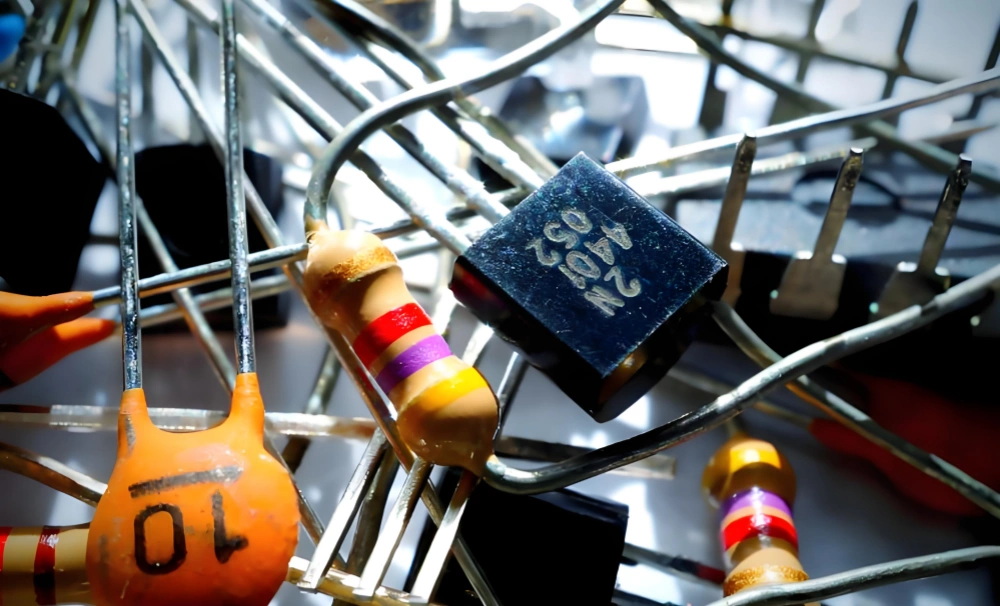
Turn your available files into an agreed assembly build
Our review connects the board, parts list and assembly information with a practical production route. It can begin while details are still open. A fabrication review and an assembly review answer different questions, so we also consider the component and mechanical information.
The useful result is a set of resolved manufacturing questions: which configuration to build, which materials to use, how to handle special features, and what the finished assembly needs to pass. Manufacturing feedback helps prepare the build; circuit design and product qualification remain separate decisions.
Connect the documents
BOM references, placement information and drawings should describe the same assembly version. A missing orientation mark, an unclear connector position or conflicting fitted-part information becomes a question to resolve with your team.
Review the physical assembly
Component clearance, tall parts, panel support and access for soldering or testing can change the preparation. Send the drawing or product constraints you already know; our engineers will follow up on useful details.
Confirm changes before release
A replacement part or a revised assembly variant may affect purchasing, setup, firmware or the test program. Identify the change and the files it updates so production uses the intended configuration.
Production controls matched to your assembly
The process follows the board and components. FLJ brings printing, placement, soldering and inspection together around the agreed manufacturing package.

Prepare the connection
The device land pattern, stencil openings and paste preparation work together. For an exposed-pad package, the amount and distribution of solder also matter to the connection beneath the device. Placement data identifies the part, board side and orientation.
Match the process conditions
Board construction, component requirements and solder materials guide the thermal process. Mixed assemblies also need a sequence suited to connectors, existing joints and mechanical support. A single oven setting or placement specification cannot define the whole build.
Check the setup before repeating it
First-article review can compare component identity, orientation and assembly details with the approved instructions. Agree what needs reviewing and any customer approval point while planning the order, so findings can be addressed before the remaining quantity.
Agree what the finished assembly needs to pass
Acceptance connects the manufactured board with your intended product. Agree the checks, limits and required records with the quotation rather than assuming that every available test is included.
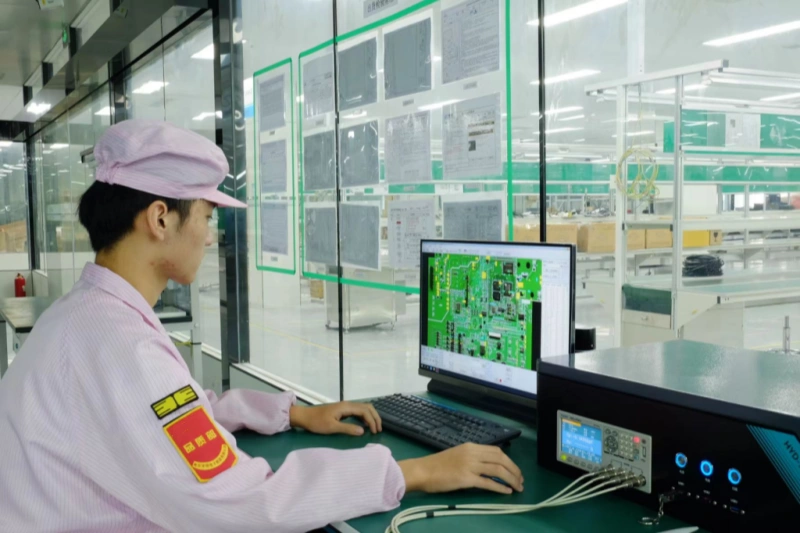
The intended configuration
Check the fitted components and assembly details against the selected version. Programming, where included, should use the identified firmware and agreed device settings.
Workmanship and solder connections
Visible features and concealed joints need suitable inspection approaches. AOI and selected X-ray inspections provide different evidence. The relevant package, feature and acceptance criteria determine what is useful.
The agreed electrical or functional result
Describe what should be measured or exercised: a power condition, interface response or operating sequence, for example. Fixtures, access, loads, software and pass limits become part of the test preparation.
IPC-A-610 addresses electronic-assembly acceptability; J-STD-001 addresses soldered-assembly requirements. Specify the applicable requirements with your quality team. Workmanship acceptance, functional verification and management-system certification have different scopes.
Define the assembly you want delivered
A populated PCB, a programmed and tested board, and an integrated product need different instructions. Tell us where your team wants the manufacturing work to end.
| Your delivery requirement | What to discuss with us |
|---|---|
| Assembled circuit boards | Selected board and BOM version, fitted parts, workmanship requirements and finished quantities. |
| Programmed or tested PCBA | Firmware identity, device interface, verification procedure, fixtures and the results to be supplied. |
| Boards with additional finishing | Coating areas and exclusions, connector or cable instructions, handling and agreed final checks. |
| A wider product assembly | Mechanical drawings, system parts, wiring, software configuration and the required integrated functions. |
Discuss identification, protective packing and any inspection or test records your receiving team will use. The order defines these deliverables; they are not automatically the same for every board.
If your project includes an enclosure, harness or further product assembly, we can review that scope alongside the PCBA.
Explore a wider electronics build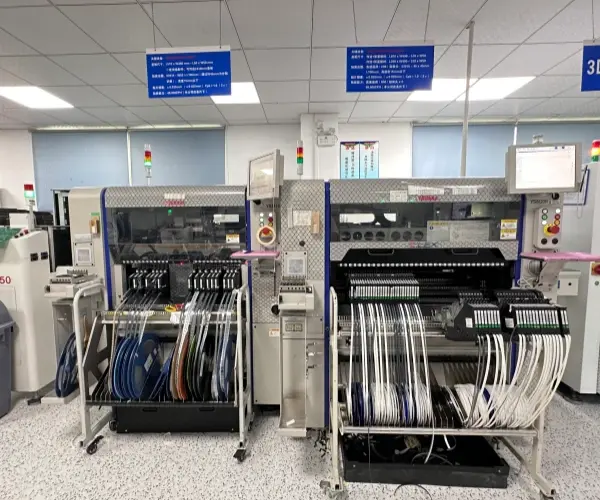
Assembly resources and evidence for supplier review
FLJ PCB is the manufacturing brand of Shenzhen Philifast Electron Co., Ltd., based in Shenzhen, China. Our published production scope includes SMT, DIP and manual soldering resources, with inspection and related electronics manufacturing support.
For supplier qualification, connect those resources with the board you are buying: its packages, construction, manufacturing route and required checks. Ask for the current certificate scope and the project documentation your purchasing or quality team needs.
A line count or equipment model is a starting point for the review. The actual assembly requirements and delivery plan are confirmed for your work package.
Compare the complete PCB assembly quotation
Compare quotations for the same version, quantity and delivered condition. A headline assembly price may leave out materials, preparation, programming or the test work your product needs.
Materials and assembly
Define the boards and parts to be supplied, the sourcing responsibilities, the package mix and any additional soldering or handling work.
Preparation and verification
Discuss stencil and setup work, first-build review, fixtures, programming and test development. For a repeat build, existing preparation can be reviewed for suitability with the current configuration.
Delivery and additional work
Confirm finishing, documentation, packing and shipping arrangements. Material readiness and engineering decisions influence the schedule alongside production.
Working toward a fixed arrival date?
Review quick-turn assembly planning Ordering and delivery guidancePCB assembly questions before your first project
Tell us which decisions are still open. We can review your intended product and the information available today.
Can I order assembly using boards already made by another supplier?
Yes, customer-supplied boards can be discussed as part of a consigned or mixed supply arrangement. Share their revision, quantity, outline or panel information and any known finish or handling history. We review their suitability with the components and assembly process before agreeing the build.
How do we define the scope when several assembly variants share one PCB?
Identify each assembly version and its quantity. Connect it with the fitted parts, do-not-populate positions, assembly information and any firmware or test differences. The bare-board revision may be shared while the assembled product configuration differs.
What does the assembly review cover, and what remains a product-design decision?
The review helps identify manufacturing questions about component identity, placement, soldering, mechanical access and verification preparation. Your team confirms design choices and product requirements. Resolving assembly questions does not by itself demonstrate circuit performance or regulatory qualification.
Can programming and final product assembly be part of the quoted work?
They can be discussed alongside PCBA. Explain the firmware, device interfaces and any cable, enclosure or mechanical work required. We review the preparation and acceptance needs so the quotation describes the complete delivery you want.
How do we confirm what is included in the delivered PCBA?
Agree the configuration, finished quantity, inspection or test scope, programming requirements and supporting records during the order review. Include any labeling, packaging or further assembly requirements. These details define the handoff your receiving team should expect.
Discuss your PCB assembly project
Send your board files, BOM or a short description of what you want assembled. Add the quantity, desired delivery and any parts you plan to supply. Drawings, placement data and test notes are helpful when available.
Our team will review the project and follow up on the details needed for the quotation and production preparation.
Attach your available files in your email application.
Help preparing your project