
Customer stock, sourcing and assembly
Consigned PCB Assembly Services
Your components, backed by flexible procurement and complete PCB assembly.
FLJ combines customer-supplied materials with the parts you need us to purchase. We recommend alternative brands, explain the technical differences and quote the supply options, then carry the confirmed component choices into assembly, inspection and delivery.
Flexible Component Supply and Dynamic Procurement
Your Components and FLJ-Purchased BOM Lines
FLJ assembles customer-supplied components and purchases the remaining BOM lines for the same build. You can retain critical or already-stocked parts while we source the balance, prepare the combined material kit and manufacture the PCBA. The supply split is defined by BOM line, with both material streams tied to the same assembly revision.
We check how much of the required build your available stock can support and prepare component purchasing options for the remaining quantities. Each option identifies the manufacturer and full manufacturer part number (MPN). Package, grade and ordering suffixes are resolved against the requested part so the quotation and material kit refer to the same component.
Availability, Order Quantities and Lead Times
The quantity to purchase may exceed the number fitted to the boards. Minimum order quantities (MOQs), order multiples, reel or cut-tape formats and setup requirements affect what can be bought and prepared. We identify the purchase quantity and agreed preparation allowance alongside the assembly requirement, so you can compare the material cost on a clear quantity basis.
We check availability and lead time for the quantity and production timing you need. When stock, lifecycle status or supply conditions change, we identify the affected BOM lines and present updated purchasing options with their price and delivery impact. The confirmed selection then feeds the material plan and assembly schedule.
Alternative Component Brands and Quotations
Engineering Review of Proposed Replacements
When a specified component is unavailable or its cost or lead time does not suit the build, FLJ recommends alternatives and quotes the proposed options. A different purchasing channel for the same manufacturer and full MPN is a sourcing choice. A different manufacturer or MPN changes the part being considered and calls for engineering comparison.
Our engineers compare the candidate with the design requirements: package and land pattern, pin functions and polarity, relevant electrical and temperature limits, and any timing, firmware or test implications. The parameters that matter depend on the component and its application.
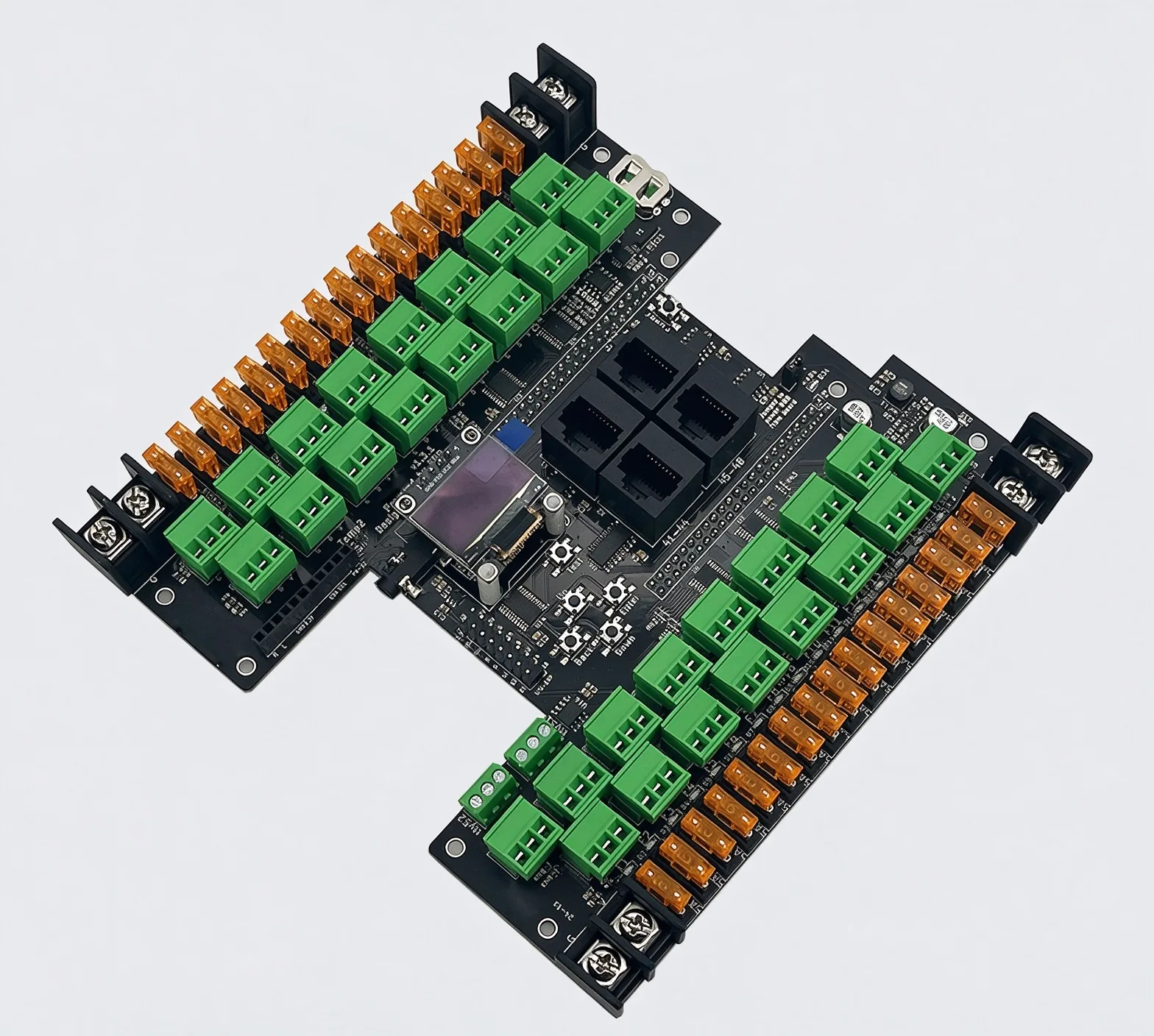
For example, a replacement connector for an existing PCB must fit its lands or holes, pin assignment and mating plug. Keying, orientation, connector height and installation space also matter. A similar pitch alone does not establish that the connector will mount, mate and connect correctly. Our assembly review identifies those differences and their effect on the proposed build.
We submit the candidate’s full identity, important differences and any verification needs for your confirmation. The selected manufacturer and MPN then carry into purchasing, the assembly BOM and the affected production instructions.
Comparing Original-Part and Alternative Quotes
We quote original-part and alternative options against the same assembly quantity, board revision and delivery requirements. Component pricing is tied to the quantity being purchased; any additional setup, engineering or verification work is identified so the options can be compared on the complete build cost.
| Comparison point | Specified part | Proposed alternative |
|---|---|---|
| Identity and BOM scope | Requested manufacturer, full MPN and affected BOM positions. | Proposed manufacturer and full MPN, or the same part from a different source. |
| Fit and verification | Package, pin functions and application requirements of the existing design. | Relevant differences, effect on the board or mating interface, and verification needed. |
| Purchase quantity and form | Assembly demand, package format and purchase-quantity basis. | Quoted purchase quantity, package format, MOQ and preparation allowance. |
| Price and delivery | Component price and line amount for the quoted quantity, with the supply and lead-time basis. | Alternative price and line amount on the same build basis, with its supply and lead time. |
| Assembly and test impact | Existing PCB revision, assembly process, firmware and test requirements. | Applicable changes, additional preparation or verification, and their cost impact. |
PCB Assembly with Your Components and FLJ-Sourced Parts
Packaging and Assembly Preparation
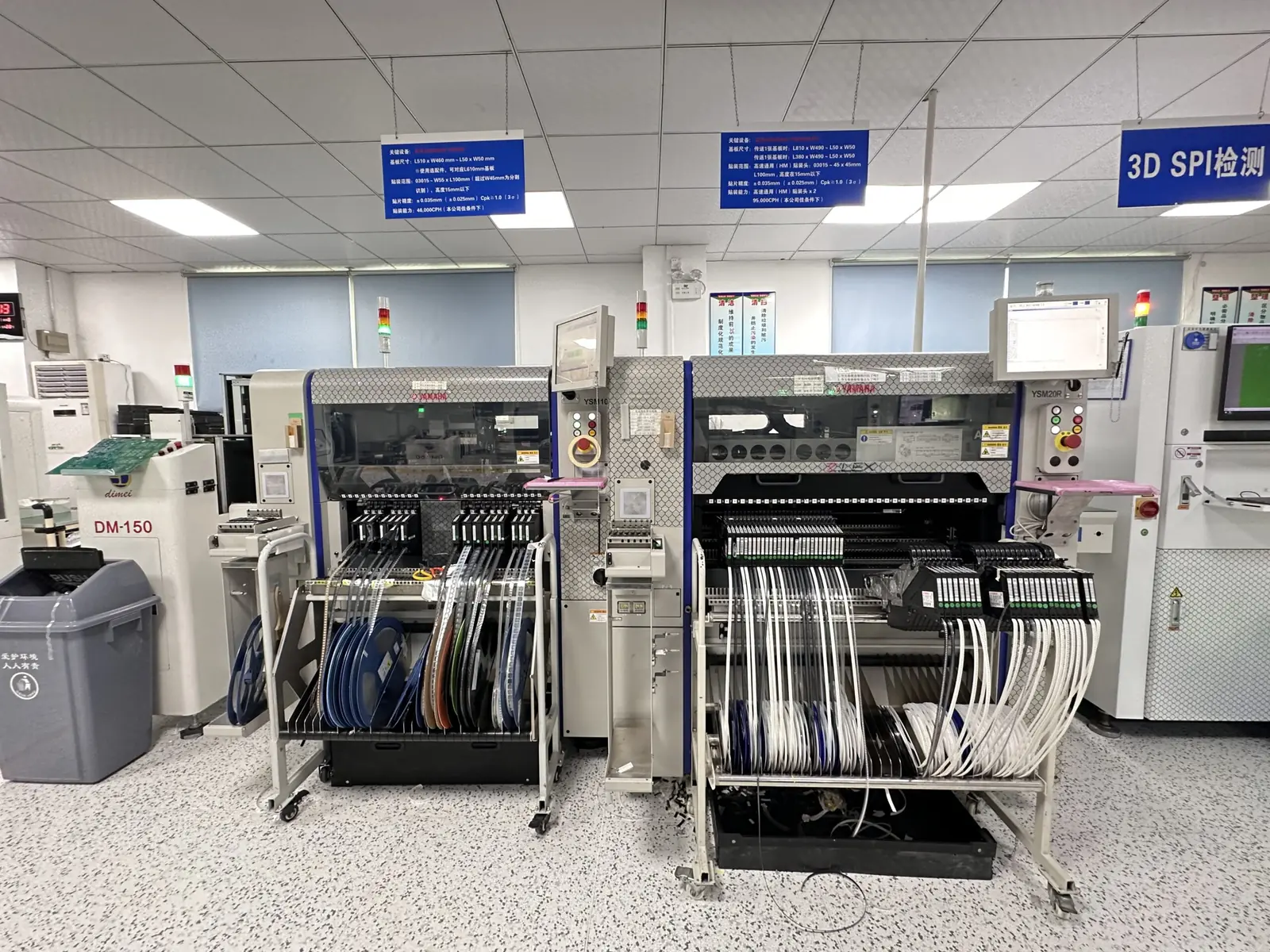
We prepare customer-supplied and purchased components for the selected assembly. Tape and reel, cut tape, trays and tubes require different feeder or placement arrangements. Labels remain associated with the part identity as materials move to the line, and preparation accounts for the actual component presentation, board location and orientation.
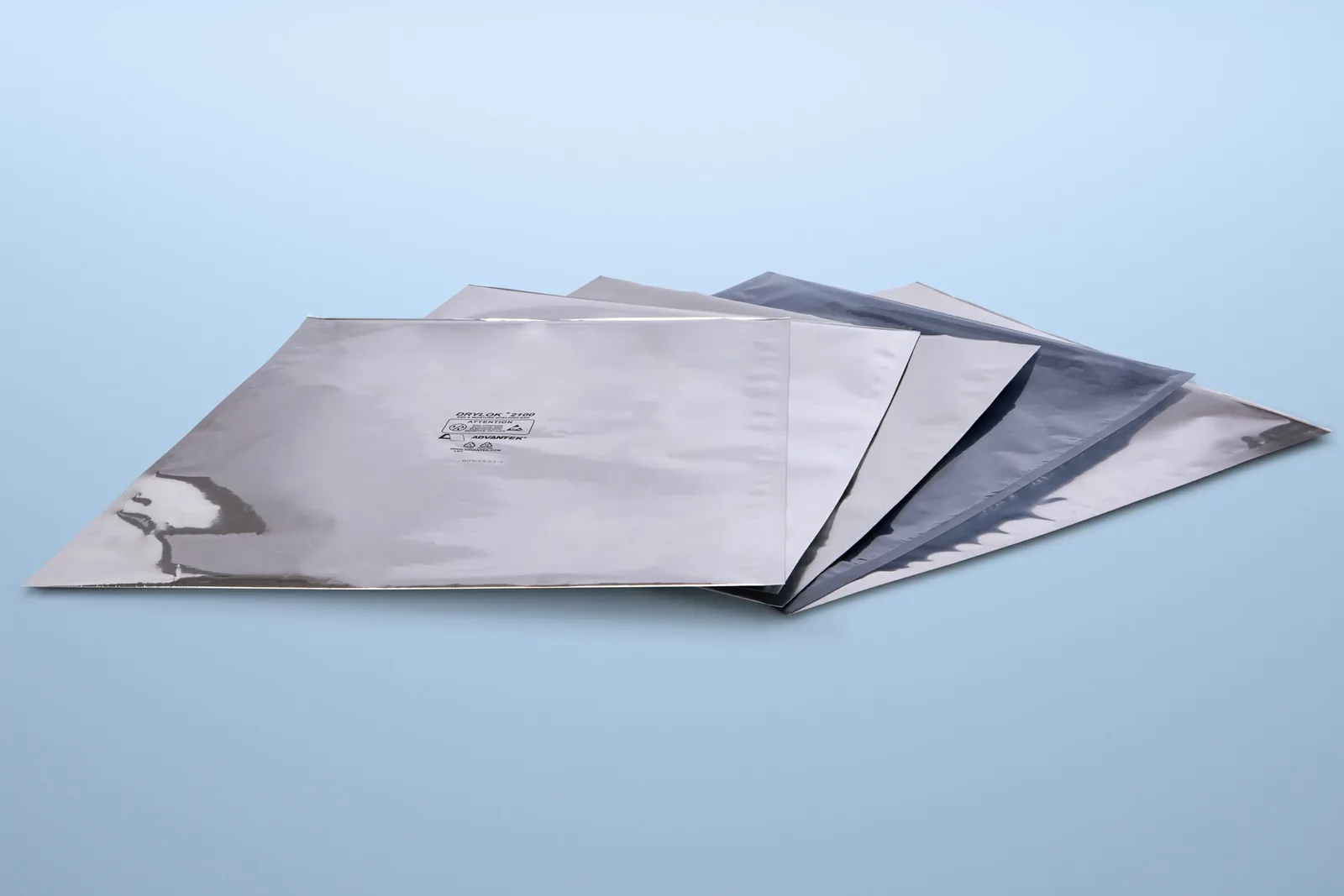
Handling follows the device’s electrostatic-discharge (ESD) and moisture-sensitivity requirements. For moisture-sensitive parts, the package instructions, moisture sensitivity level (MSL) and known opening or storage history inform preparation. Setup material is planned separately from the quantity to be fitted to boards.
SMT, Through-Hole and Mixed Assembly
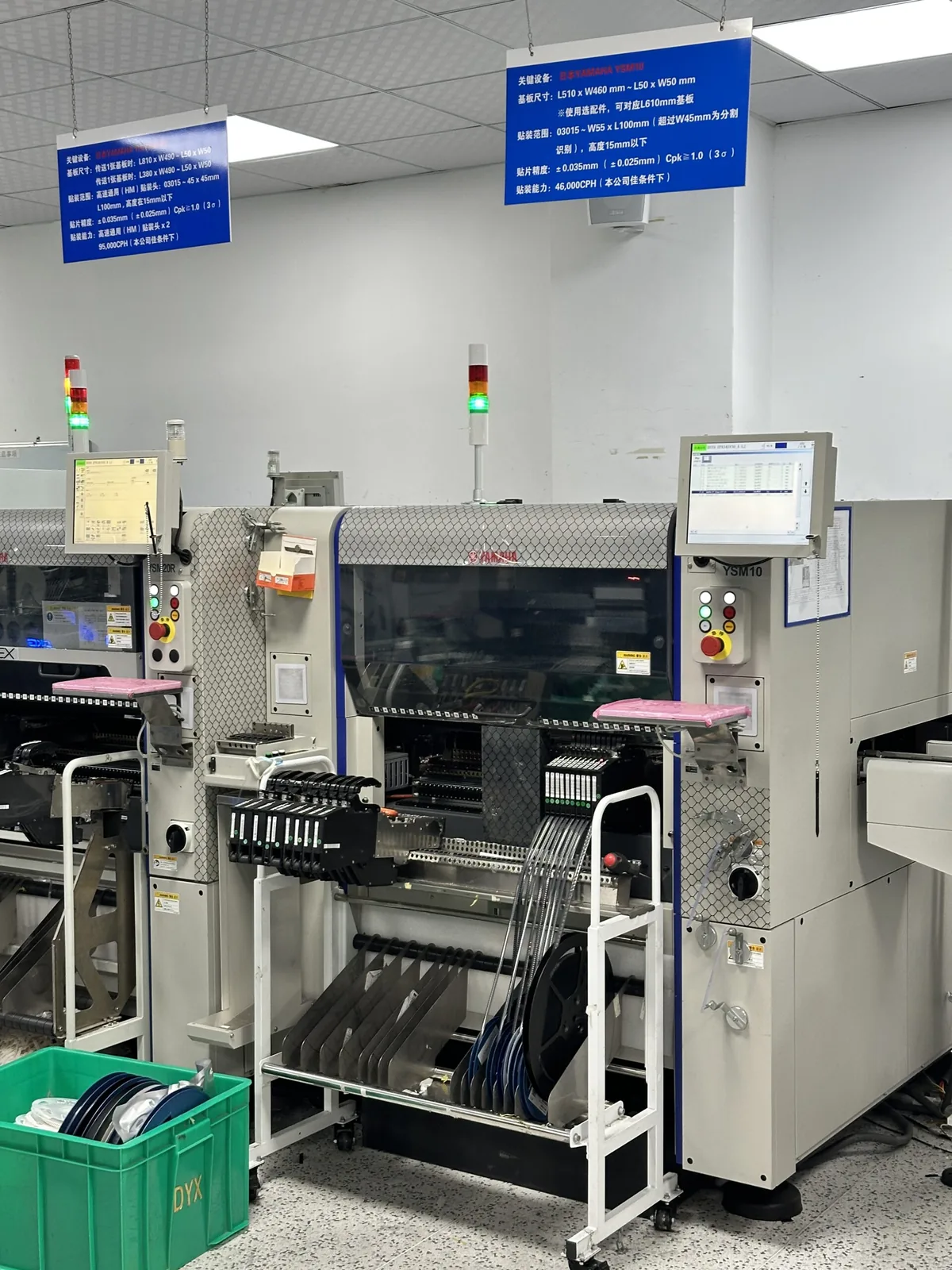
In SMT assembly, we prepare board support and the stencil, print solder paste onto the intended pads, and place components to the approved location, polarity and orientation. Positions designated do not populate (DNP) remain unpopulated. Reflow then forms the solder joints under a profile suited to the assembled board and components.
For through-hole assembly, leads are inserted and soldered using the process selected for the board. Mixed builds combine this work with SMT. We plan the sequence around connector access, insertion direction, component height, board support and existing joints, so the supplied and purchased parts follow one coordinated assembly route.
Quality Assurance for Materials and Finished PCBA
Incoming Verification and Material Traceability
At receipt, we compare customer-supplied stock and purchased parts with the selected BOM. Checks cover component identity, quantity, packaging labels and visible condition, using the source information available for each material stream. A discrepancy is resolved against the affected line before the material is used in the build. These identity and condition checks are distinct from component authentication or electrical testing.
The approved manufacturer and full MPN remain identifiable in the production BOM and relevant machine or assembly instructions. Material and build traceability connects these choices to the order, lot or unit records required for the project.
Assembly Inspection and Functional Checks
We match assembly inspection to the feature and production stage. SPI checks paste deposition before placement; AOI assesses visible component and solder features; specified X-ray inspection examines connections hidden by a package. Findings are traced to the relevant print, placement or soldering operation, corrected as appropriate and rechecked.
For specified functional testing, we establish the required supply, firmware and configuration, apply defined inputs or commands, and observe the relevant points or loaded outputs against product acceptance criteria. If a check fails, we verify the test connections and configuration before investigating the affected assembly path. Corrections are followed by the relevant retest, with results linked to the build identification.
Delivery, Remaining Materials and Repeat Builds
We deliver the agreed PCBA quantity and revision with the applicable inspection, test and configuration records. Remaining materials are reconciled separately from the parts fitted to boards, then identified, protected and returned or otherwise handled according to the project arrangement.
Where material is retained for another batch, its identification and handling arrangements are set for that use. Before a repeat build, we check the remaining stock’s quantity and condition and reassess the current supply, purchase quantities and quotation for the sourced BOM lines. This keeps the next build aligned with the selected components and its production requirements.